

Common Ostrich (Struthio camelus) by Bob-Nan
Scripture Alphabet of Animals: The Ostrich
By Harriet N. Cook (1814-1843)
Common Ostrich (Struthio camelus) by Bob-Nan
Scripture Alphabet of Animals: The Ostrich
By Harriet N. Cook (1814-1843)

Scripture Alphabet of Animals: The Mole
By Harriet N. Cook (1814-1843)
I remember but two places in the Bible where this animal is mentioned. One is in Leviticus, where it is named among the unclean animals which the Israelites were forbidden to eat; and the other is this verse in the second chapter of Isaiah:
In that day a man shall cast his idols of silver, and his idols of gold, which they made each one for himself to worship, to the moles and to the bats.
Have you read about the first missionaries who went to the Sandwich Islands?……

Timber Wolves by Ray
Scripture Alphabet of Animals: The Wolf
By Harriet N. Cook (1814-1843)
The wolf is rather larger than our largest dogs, and looks somewhat like them; but he seems more wild, savage and cruel. The wolves go in large companies, making a terrible howling noise; and though they are in general cowardly, yet…..

Common Nighthawk by Neal Addy
Scripture Alphabet of Animals: The Night-Hawk
By Harriet N. Cook (1814-1843)
I believe this is the only animal of any kind mentioned in the Bible, the name of which begins with N. It is named in the 11th chapter of Leviticus, among other birds, such as the owl, the cuckoo and the raven, which the children of Israel were not allowed to eat.
And the owl, and the night hawk, and the cuckow, and the hawk after his kind, (Leviticus 11:16 KJV)
It is somewhat like the owl in its shape, and in its large, full, round eyes….

Scripture Alphabet of Animals: The Jerboa or Mouse
By Harriet N. Cook (1814-1843)
You will not find the name of the Jerboa in the Bible; but it is supposed to be the same animal that is called a ……

Scripture Alphabet of Animals: The Leopard
By Harriet N. Cook (1814-1843)
The leopard is a beautiful animal, though very savage and cruel. It is about as large as the largest of our dogs, but it looks much more like a ….

Scripture Alphabet of Animals: The Ibex or the Wild Goat
By Harriet N. Cook (1814-1843)
The Ibex is a kind of goat, but different from the one described at page 33. It is sometimes called the Rock Goat, or Wild Goat; and the last is the name given it in the Bible. It resembles the common goat, but is larger, and its horns are much longer; they are sometimes considerably more than a …..

Scripture Alphabet of Animals: The Horse
By Harriet N. Cook (1814-1843)
There is a fine description of a war-horse in the book of Job-a book which some think to be …..
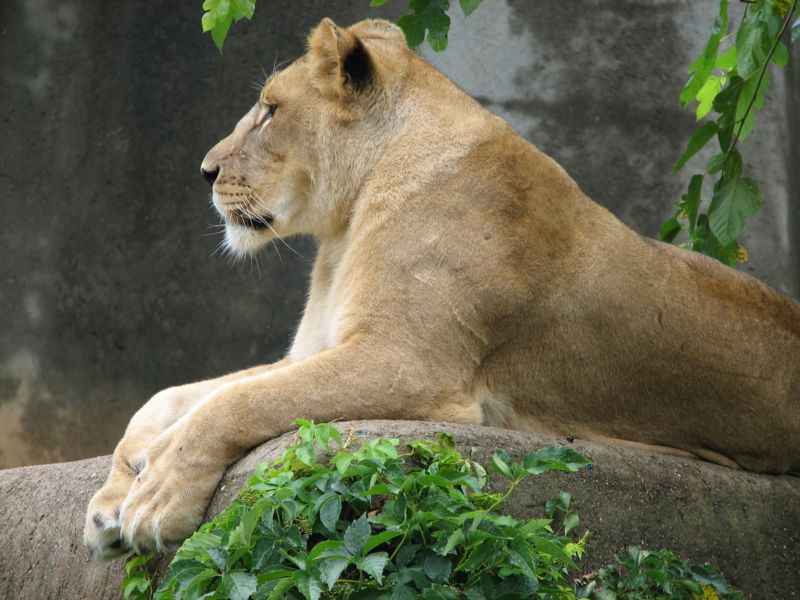
Scripture Alphabet of Animals: The Lion
By Harriet N. Cook (1814-1843)
You have seen pictures of the lion a hundred times, I suppose, and perhaps you have seen it alive; would you not like to know what the Bible says about it? You have heard it called the “king of beasts,” because it is so strong and so bold; it is afraid of no other animal, and it is strong enough to carry away a horse or a buffalo. In the 30th verse of the 30th chapter of Proverbs, we read about….

Scripture Alphabet of Animals: The Kite
By Harriet N. Cook (1814-1843)
The kite is mentioned but once or twice in the Bible. In Leviticus, 11 : 13,14, it is named among the birds which the Israelites were not allowed to use for food.
And these are they which ye shall have in abomination among the fowls; they shall not be eaten, they are an abomination; the eagle, and the ossifrage, and the ospray, and the vulture, and the kite after its kind.
These are all birds of….

Scripture Alphabet of Animals: The Fox or Jackal
By Harriet N. Cook (1814-1843)
It is not quite certain whether the fox mentioned in the Bible is the same animal that we now call by that name. It probably means what we now call the ….

Scripture Alphabet of Animals: The Hart and Hind
By Harriet N. Cook (1814-1843)
Several animals of the deer kind are mentioned in the Bible under the names of Fallow-deer, Hart, Hind, and Roe-buck. They were all numbered among the clean animals, or those which the Israelites were allowed to eat; as we see in Deut. 14:4, 5,
These are the beasts which ye shall eat; the ox, the sheep, the goat, the hart, the roe-buck and the fallow-deer.
In 1st Kings, 4:23, we read of the daily provision which was made for king Solomon’s table, and among the rest were ….


 Birds of the Bible For Kids