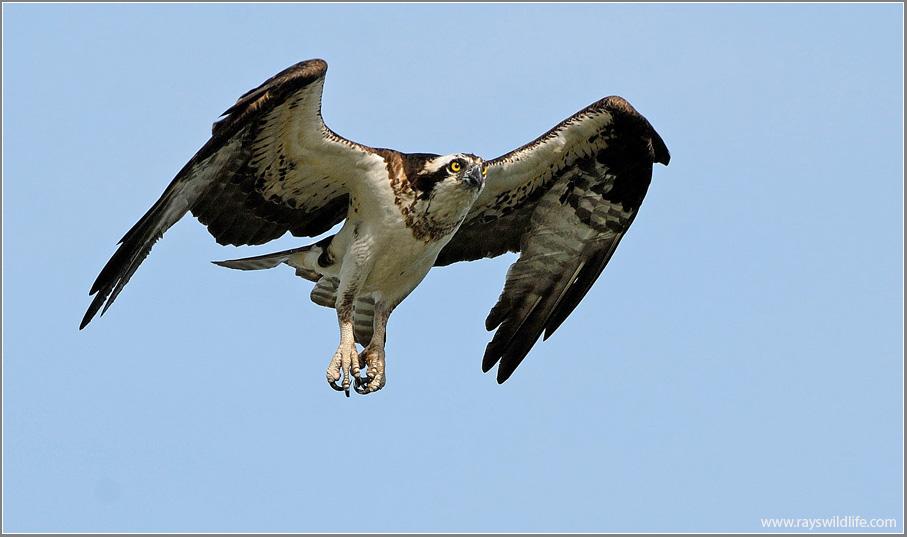
Bald Eagles Protecting Their Young In Snowstorm

https://youtu.be/1lADSt9zXlA&rel=0

“To the Chief Musician. Set to “Do Not Destroy.” a Michtam of David When He Fled from Saul into the Cave. Be merciful to me, O God, be merciful to me! For my soul trusts in You; And in the shadow of Your wings I will make my refuge, Until these calamities have passed by. I will cry out to God Most High, To God who performs all things for me.” (Psalms 57:1-2 NKJV)

“He shall cover you with His feathers, And under His wings you shall take refuge; His truth shall be your shield and buckler. ” (Psalms 91:4 NKJV)

Shared from the Decorah Eagles YouTube Page

“DECORAH EAGLES & EAGLETS IOWA USA 🐣🐣🐣 After spending days enduring severe, horrendous weather conditions, protecting their three precious eaglets from the gale force winds, wet and freezing cold, Mom and Dad Eagle warm our hearts with this beautiful moment… a family moment of love, care, protection and devotion in the wild ♥ amazing nature!”

Trust you enjoy this as much as I did!

Bible Birds – Pelican Introduction

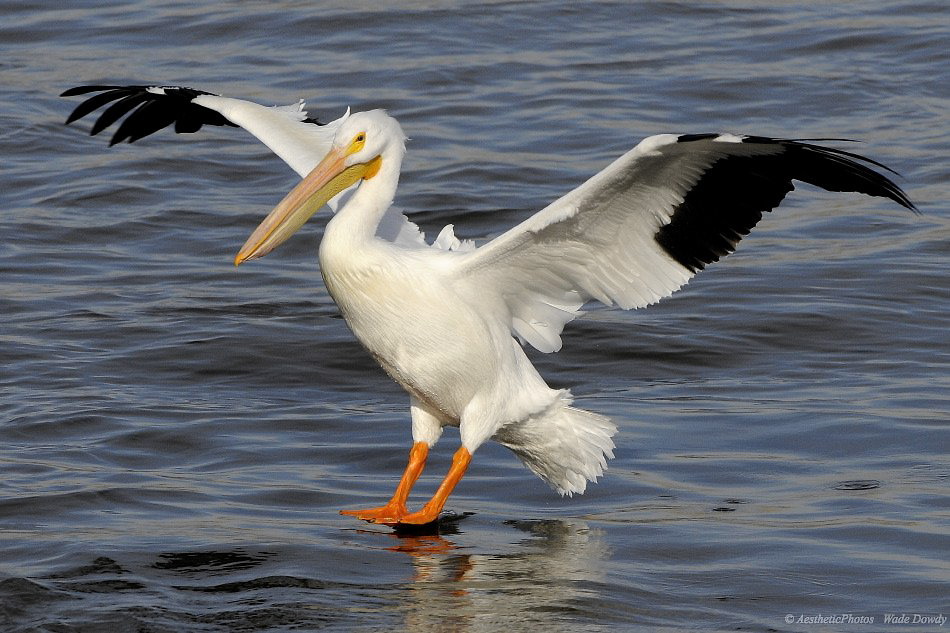
American White Pelican (Pelecanus erythrorhynchos) by AestheticPhotos

American White Pelican (Pelecanus erythrorhynchos) by AestheticPhotos

“And the swan, and the pelican, and the gier eagle,” (Leviticus 11:18 KJV)

Bible Birds – Pelican Introduction

Relocated Here

Bible Birds – Masked Lapwing

CHA-Char Masked Lapwing (Vanellus miles)

Masked Lapwing (Vanellus miles) at Lowry Park Zoo 3-27-2018

Both times the Lapwing is mentioned in the Bible, it is in the “Do Not Eat” lists in Leviticus and Deuteronomy.

And the stork, the heron after her kind, and the lapwing, and the bat. (Leviticus 11:19 KJV)
And the stork, and the heron after her kind, and the lapwing, and the bat. (Deuteronomy 14:18 KJV)

Relocated Here


The Hamerkop Has It’s Own Family

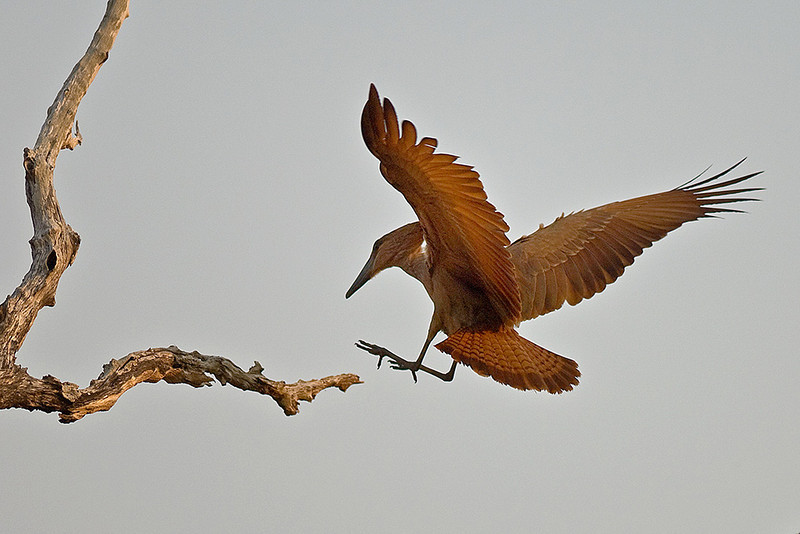
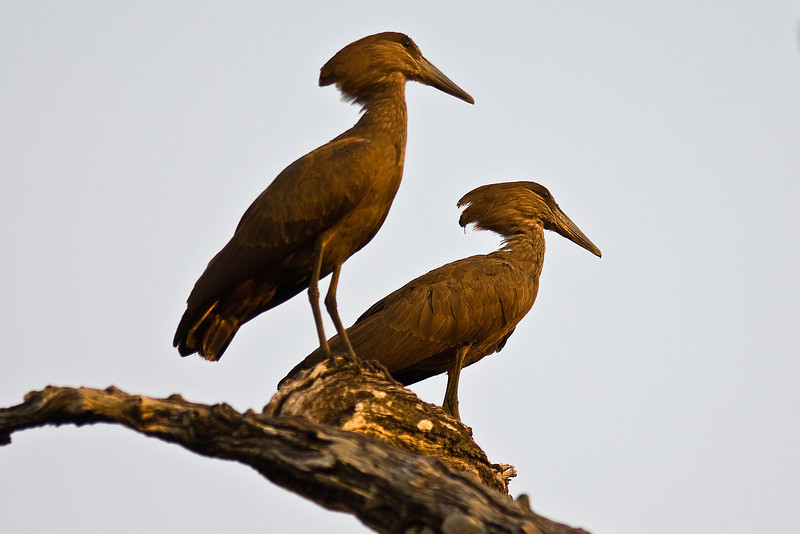
Hamerkop (Scopus umbretta) by Africaddict

“And God blessed them, saying, “Be fruitful and multiply, and fill the waters in the seas, and let birds multiply on the earth.” So the evening and the morning were the fifth day.” (Genesis 1:22-23 NKJV)

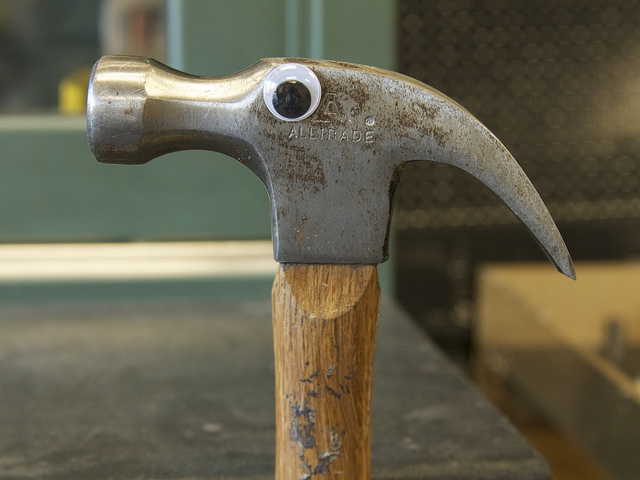
What an interesting name for a bird. He is not a policeman (cop), but its head does, sort of, look like a hammer. Don’t you agree?

Goodly Hammer ©Flickr Lenore Edman

Hamerkops are in a family by itself, because the birding authorities are not sure which family to add it to. So, they made a family, called the Scopidae Family.

“The single Hamerkop in this family lives in sub-Saharan Africa and has unique habits and behaviorIt has a few features like those of heronsIt has an odd mix of other habits which are similar to the shoebill, flamingos, and storksIt has ectoparasites that are otherwise found only in ploversGiven this, its origin and relationship to other birds are considered unclear (Roberson 2012), so it is considered here to belong to its own kind.” By Dr. Jean Lightner (See below)

Hamerkop (Scopus umbretta) at NA by Dan

It is found in Africa, Madagascar to Arabia, living in a wide variety of wetlands, including estuaries, lakesides, fish ponds, riverbanks and rocky coasts.

Hamerkop (Scopus umbretta) With Nesting Material ©WikiC

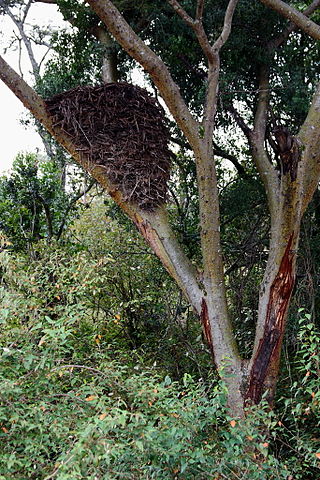
The strangest aspect of hamerkop behaviour is the huge nest, sometimes more than 1.5 metres (4 ft 11 in) across, and strong enough to support a man’s weight. When possible, it is built in the fork of a tree, often over water, but if necessary it is built on a bank, a cliff, a human-built wall or dam, or on the ground. A pair starts by making a platform of sticks held together with mud, then builds walls and a domed roof. A mud-plastered entrance 13–18 centimetres (5.1–7.1 in) wide in the bottom leads through a tunnel up to 60 centimetres (24 in) long to a nesting chamber big enough for the parents and young.

Hamerkop (Scopus umbretta) Nest in Acacia Tree ©WikiC

Nests have been recorded to take between 10 and 14 weeks to build, and one researcher estimated that they would require around 8000 sticks or bunches of grass to complete. Nesting material may still be added by the pair after the nest has been completed and eggs have been laid. Much of the nesting material added after completion is not sticks but an odd collection of random items including bones, hide and human waste.

Hamerkop (Scopus umbretta) by Africaddict

Hamerkop (Scopus umbretta) by Africaddict

This is just another one of The Lord’s Avian Wonders. Just thought you might enjoy reading about this neat bird.

*

Hamerkop’s Scopidae Family

Pelecaniformes Order

Birdwatching the National Aviary – Tropical Forest

An Initial Estimate of Avian Ark Kinds by Dr. Jean Lightner on November 27, 2013

Wordless Toucan

Bible Birds – Storks at Zoo Tampa

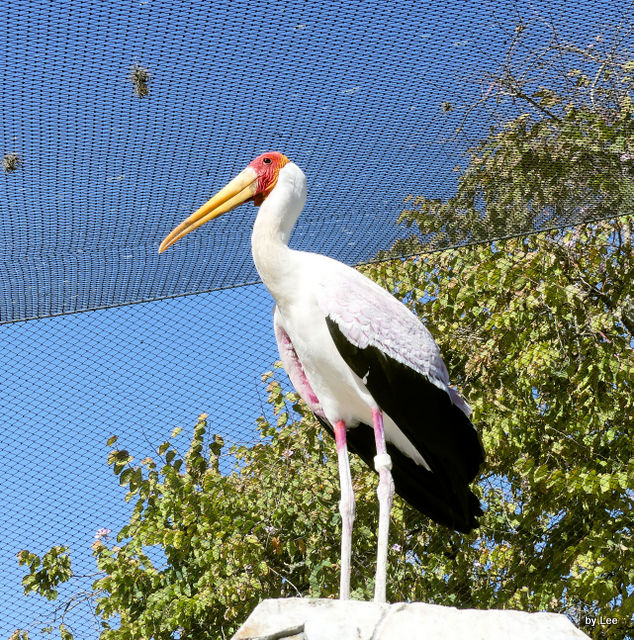
Yellow-billed Stork (Mycteria ibis) LPZ

“Where the birds make their nests: as for the stork, the fir trees are her house.” (Psalms 104:17 KJV)

Bible Birds – Storks at Zoo Tampa

Relocated Here


Bible Birds – Sea Gull Introduction

Bible Birds – Sea Gulls Introduction

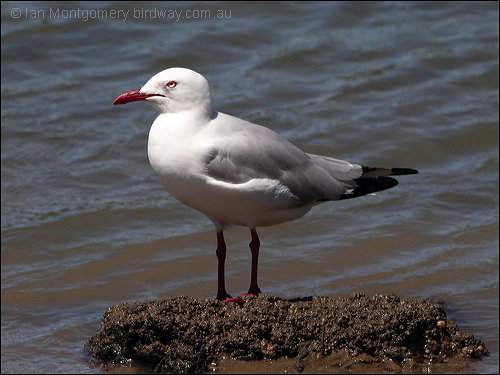
Silver Gull (Chroicocephalus novaehollandiae) by Ian

Bible Birds – Sea Gulls

“the ostrich, the short-eared owl, the sea gull, and the hawk after its kind;” (Leviticus 11:16 NKJV)

“and the ostrich, and the night-hawk, and the sea-mew, and the hawk after its kinds;” (Leviticus 11:16 JPS)

Relocated Here


Bible Birds – Quail Introduction

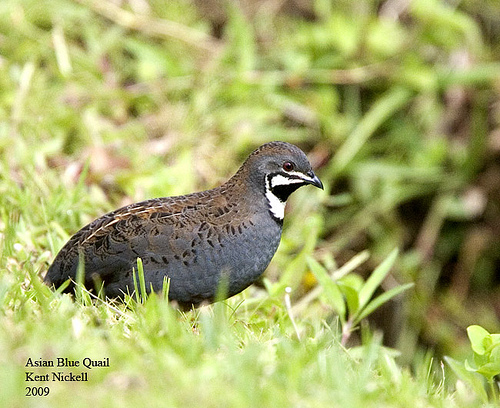
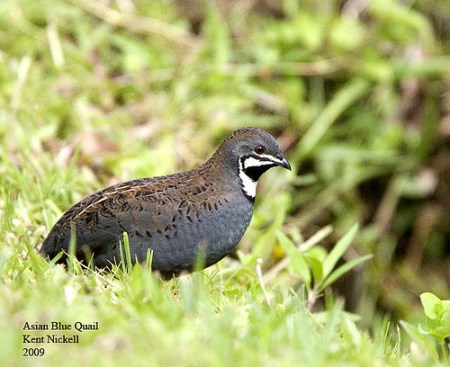
King Quail (Excalfactoria chinensis) Asian Blue by Kent Nickel

King Quail (Excalfactoria chinensis) Asian Blue by Kent Nickel

The Quail is a bird that is mentioned in the Bible in four verses. All the verses tell about the time when the Israelites, in the desert, complained about missing the things that they ate back in Egypt. The LORD was tired of the complaining and sent them some Quail to eat.

Now, are we supposed to complain or grumble about things not going our way? No! Sometimes we do it anyway and the results aren’t what we expected. This is what happened to the Israelites.

“And there went forth a wind from the LORD, and brought quails from the sea, and let them fall by the camp, as it were a day’s journey on this side, and as it were a day’s journey on the other side, round about the camp, and as it were two cubits high [almost 3 feet high] upon the face of the earth. And the people stood up all that day, and all that night, and all the next day, and they gathered the quails: he that gathered least gathered ten homers: and they spread them all abroad for themselves round about the camp.” (Numbers 11:31-32 KJV)

Have you ever eaten something, and then kept eating more, and then more? You should have stopped after the first part, right? This is what they did, sort of. The LORD gave them food, but they ate too much. Have you ever eaten too much and then became sick?

These people became sick and many of them died. It is sin that caused these Israelite to complain and not trust the Lord to take care of their needs. No, you are not going to get sick every time you complain, but you will make your parents and the Lord unhappy. Learn to obey your parents. “Children, obey your parents in all things: for this is well pleasing unto the Lord.” (Colossians 3:20 KJV)
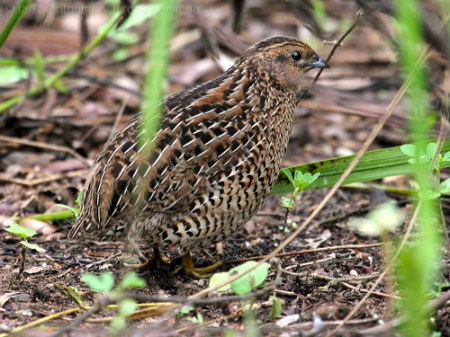
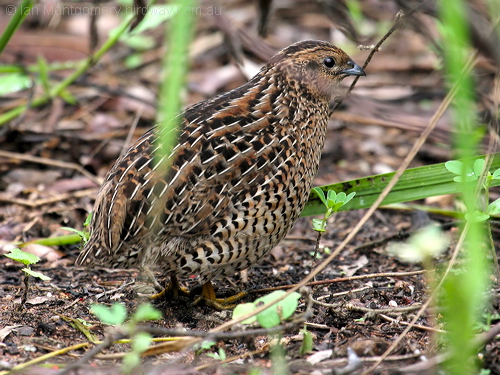
Brown Quail(Coturnixypsilphora) by Ian

What is a Quail?

The Quail are in several families and are mid-sized birds generally placed in the order Galliformes. Old World quail are placed in the family Phasianidae, and New World quail are placed in the family Odontophoridae. Below are just two of the quail from each family.

The King Quail, an Old World quail, often is sold in the pet trade, and within this trade is commonly, though mistakenly, referred to as a “button quail”. Many of the common larger species are farm-raised for table food or egg consumption. In 2007, 40 million quail were produced in the U.S.

The Brown Quail (Coturnix ypsilophora), also an Old World quail and known as the swamp quailsilver quail and Tasmanian quail, is an Australasian true quail of the family Phasianidae. It is a small, ground-dwelling bird and is native to mainland Australia, Tasmania and Papua New Guinea and has been introduced to New Zealand and Fiji. Widespread and common throughout its large range
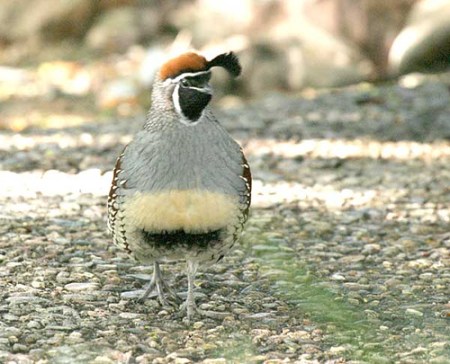
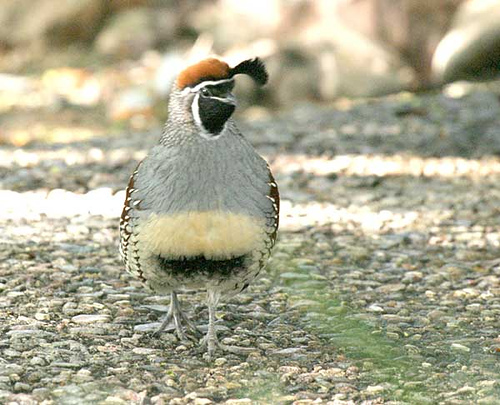
Gambel’s Quail (Callipepla gambelii) by Kent Nickel

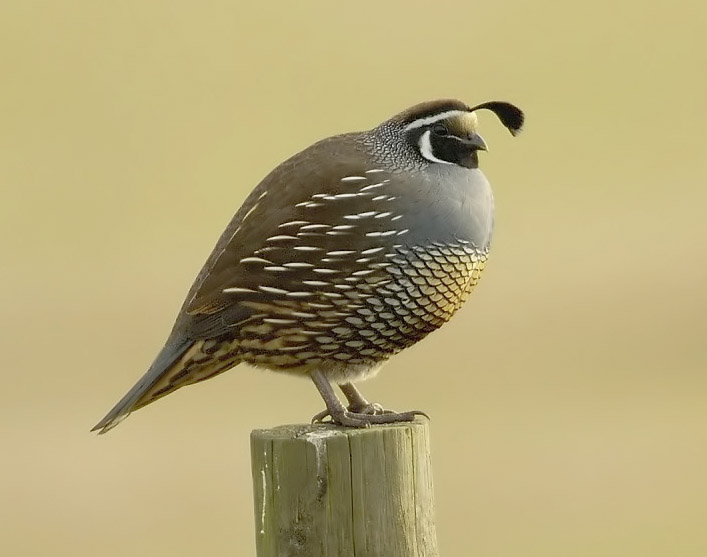
The New World Quail Gambel’s quail (Callipepla gambelii) is a small ground-dwelling bird in the New World quail family. It inhabits the desert regions of Arizona, California, Colorado, New Mexico, Nevada, Utah, Texas, and Sonora; also New Mexico-border Chihuahua and the Colorado River region of Baja California. The Gambel’s quail is named in honor of William Gambel, a 19th-century naturalist and explorer of the Southwestern United States. Favorites of mine because of their top feather.]
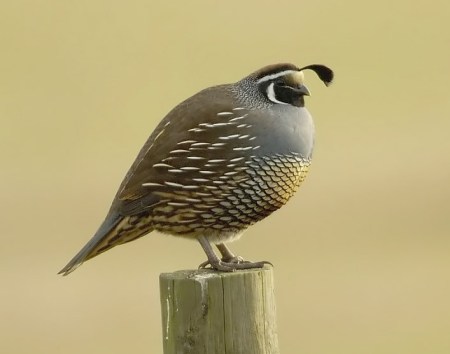
California Quail (Callipepla californica) ©WikiC

The California quail (Callipepla californica), also known as the California valley quail or valley quail, is a small ground-dwelling bird in the New World quail family. These birds have a curving crest or plume, made of six feathers, that droops forward: black in males and brown in females; the flanks are brown with white streaks. Males have a dark brown cap and a black face with a brown back, a grey-blue chest and a light brown belly. Females and immature birds are mainly grey-brown with a light-colored belly. Their closest relative is Gambel’s quail which has a more southerly distribution and, a longer crest at 2.5 in (6.4 cm), a brighter head and a scalier appearance.

The collective noun for a group of quail is a flock, covey or bevy.

Watch for more Bible Birds – Quail posts.

Other Links:


Taxi Please!

Great Egret on Alligator at Gatorland 3-8-16 by Lee

These two videos are of the Great Egret and Great Blue Heron using –

Gatorland’s Taxi Service.

To say they are somewhat nuts is mild. It is amazing how some mixed critters seem to get along, though.

We always enjoy our trips over to Orlando to see the activity. Sometimes weird and other times fine. The first video shows the Egret trying to let the gator to start moving.  :)

“The wolf also shall dwell with the lamb, and the leopard shall lie down with the kid; and the calf and the young lion and the fatling together; and a little child shall lead them. And the cow and the bear shall feed; their young ones shall lie down together: and the lion shall eat straw like the ox.” (Isaiah 11:6-7 KJV)

These birds and alligators have learned to get along already. This is just a small taste of what it will be like when sin is removed from the world.

Bible Birds – Herons

Gatorland Birdwatching Trips

Wordless Birds