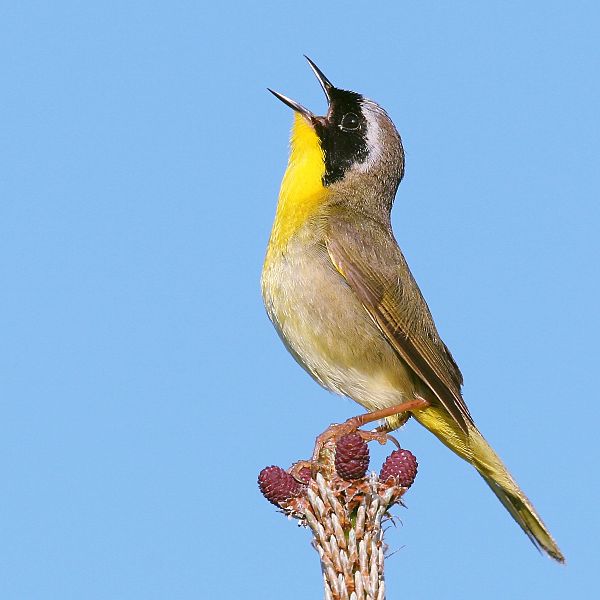
Woodstock’s Shock Lessons

Woodstock and Flying

For those of you who do not know about Peanuts, the cartoon character, they feature a dog named Snoopy. Snoopy’s friend is a little yellow bird named Woodstock. Snoopy is the only one who understands what Woodstock says.

While I have been recovering from my surgery, my birdwatching has been only reading about the adventures of Woodstock and Snoopy instead of out birdwatching for real. I have kept a few the adventures of them to share with you all.

The top photo was a shock to Woodstock, and you can see this in – Flying is at least safer for Woodstock

Here are a few more adventures of Woodstock:
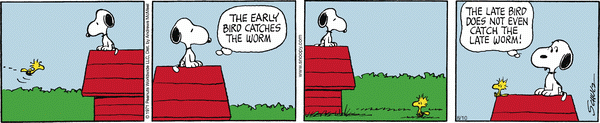
Woodstock Shock of No Worms

“O satisfy us early with thy mercy; that we may rejoice and be glad all our days.” (Psalms 90:14 KJV)

“I love them that love me; and those that seek me early shall find me.” (Proverbs 8:17 KJV)

Woodstock was seeking a worm to eat, but the Lord wants us to seek Him early in the morning, and all day long.

Woodstock’s Wake Up Shock

“A friend loves at all times, …” (Proverbs 17:17a NKJV)

Sometimes were are tempted to do things, but really shouldn’t do it. We really do not want to hurt one another.
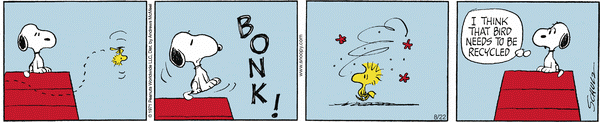
Woodstock Needs Recycled

“But if we walk in the light, as he is in the light, we have fellowship one with another, and the blood of Jesus Christ his Son cleanseth us from all sin. If we say that we have no sin, we deceive ourselves, and the truth is not in us. If we confess our sins, he is faithful and just to forgive us our sins, and to cleanse us from all unrighteousness. If we say that we have not sinned, we make him a liar, and his word is not in us.” (1 John 1:7-10 KJV)

The Lord knows that we fail sometimes, but He gives us many 2nd chances.

Wordless Birds


Sorry for the Long Delay

There hasn’t been a blog posted here since Aug 5th. The last few articles were scheduled ahead of time as I had back surgery on Aug 3rd. My overnight stay in the hospital turned out to be 5 days in the hospital. I had side affects like fluid build up in the sac by the lung. Could hardly breathe and that had to drained. And other side issues. Got out on Tuesday, and ended up in the Emergency Room the next day for another side-affect.

“Withhold not thou thy tender mercies from me, O LORD: let thy lovingkindness and thy truth continually preserve me.” (Psalms 40:11 KJV)

But all is not lost. Dr. James J. S. Johnson [Dr. Jim, to me] has kept the main blog active with some very interesting articles. So, if you are not a follower of Lee’s Birdwatching Adventures Plus [the main blog], take a look at the last articles that were posted over there. I trust, with the Lord’s continued healing, that things will get back to normal soon.

Shake a Leg (or 2 or 3 or 4), Crab-Eater! – Aug 7

Crazy as a Coot! – Aug 8

Pinyon Jay, Grand Canyon’s Forester – Aug 9

Killdeer atop Killdeer: Appreciating Help from Others – Aug 10

Loggerhead Shrike: Converting Thorns into Meat-hooks – Aug 11

Oystercatchers Must be Gentiles – Aug 12

Eggs Taste Better if Salted – Aug 13

Penguin Eggs Tragedy – Aug 14

Emma’s Stories Retold – Lizzy and the Penguin Catapult

Emperor Penguin (Aptenodytes forsteri) ©WikiC

Emperor Penguin (Aptenodytes forsteri) ©WikiC

Emma’s Stories Retold – Lizzy and the Penguin Catapult

~ by Emma Foster

Originally Told Here

See All of Emma’s Stories

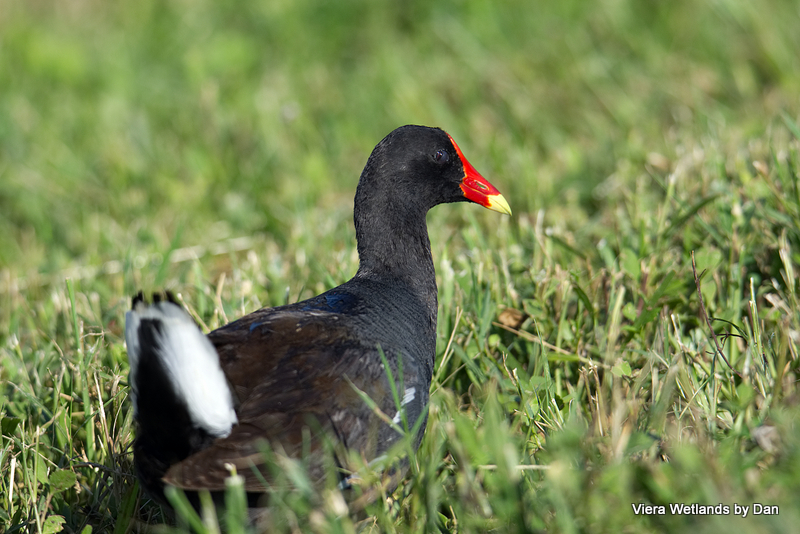
Viera Wetlands – Candy Corn Moorhen

Common Moorhen by Dan at Viera Wetlands

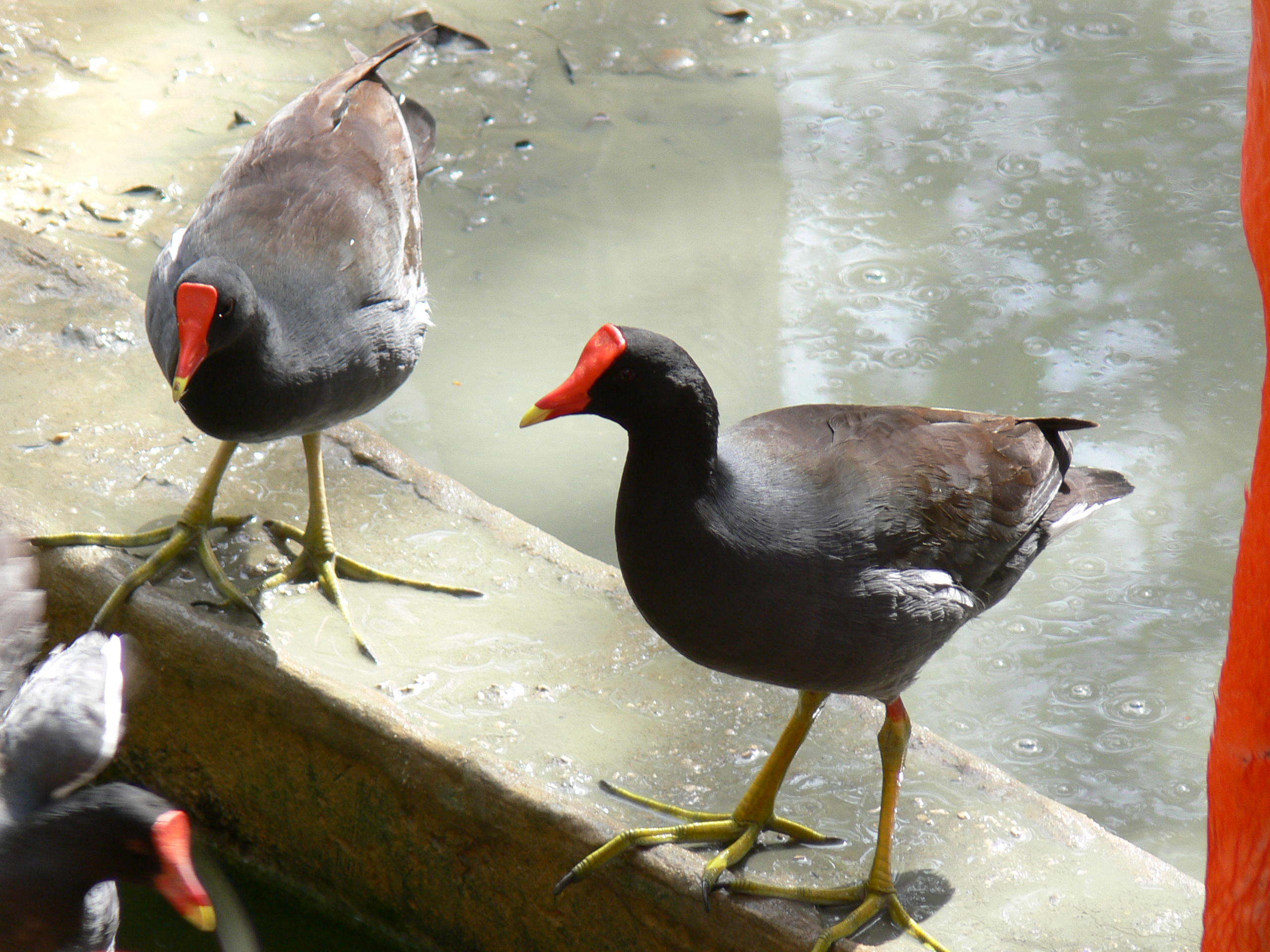
The Common Moorhen (Gallinula chloropus) has a bill that reminds me so much of Candy Corn. On our latest trip to Viera Wetlands, Dan was able to capture this adult with his camera. We showed you the young one with big feet in Big Feet on July 5th.

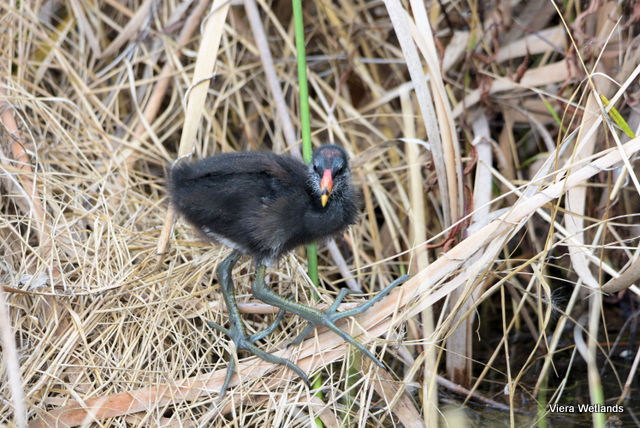
Young Moorhen at Viera Wetlands

Here are some more photos taken previously:

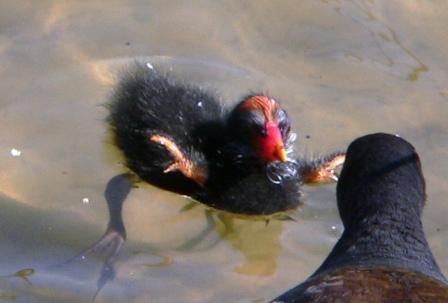
Common Moorhen Parent and baby Moorhen at Lake Hollingsworth

Another Baby Moorhen at Lake Hollingsworth by Lee

Baby Moorhen – Big feet and undeveloped beak color. Lake Hollingsworth – by Lee

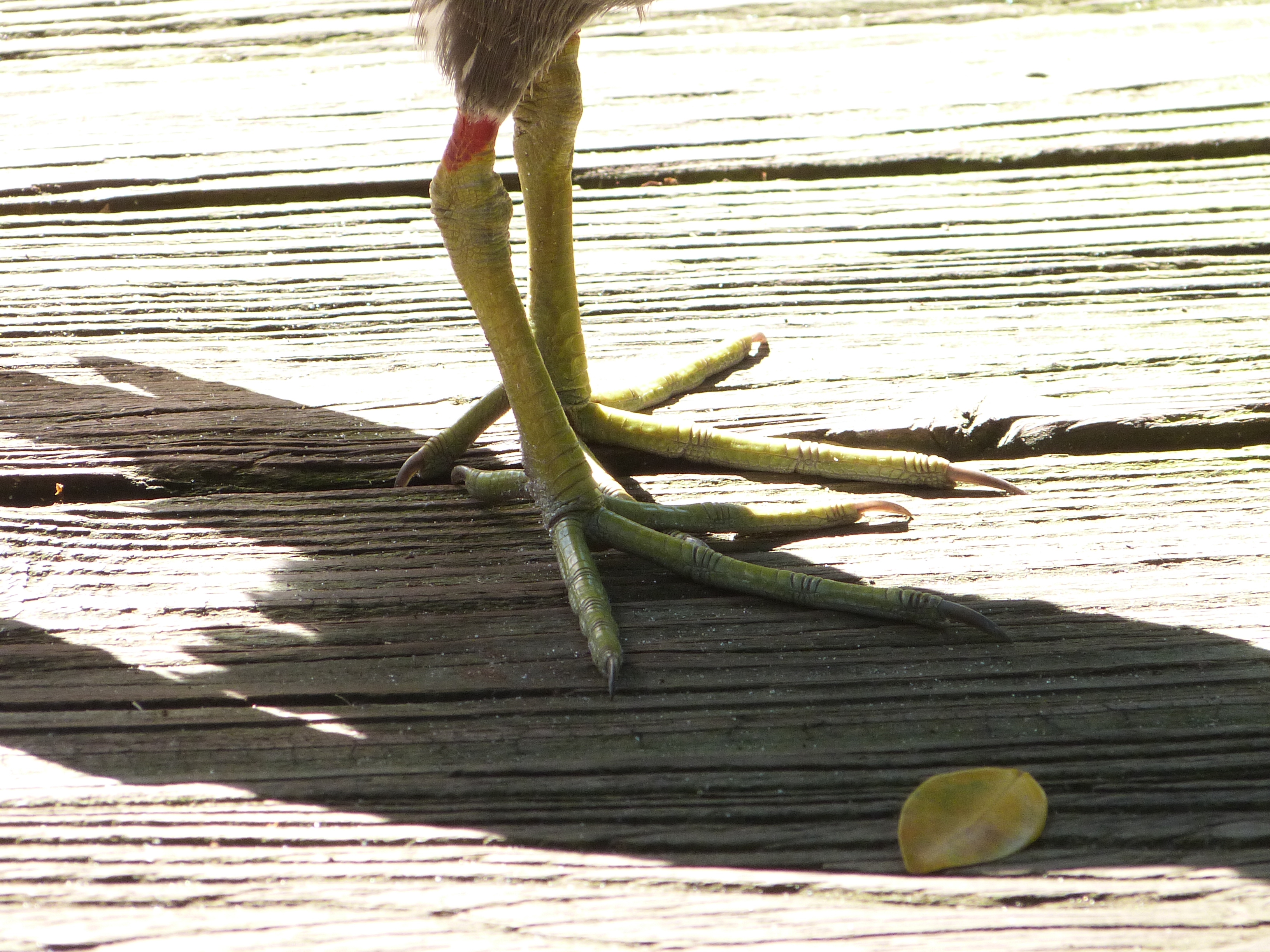
Baby Moorhen with Big Feet above and Adult Common Moorhen below with big feet

Common Moorhen (Gallinula chloropus) PB Zoo by Lee

Then God said, “Let the waters abound with an abundance of living creatures, and let birds fly above the earth across the face of the firmament of the heavens.” (Genesis 1:20 NKJV)

Back to the Candy Corn beak:

Baby Moorhen No Feathers on Wing at Lake Hollingsworth Cropped by Lee

Fact from All About Birds:

  • Newly hatched Common Gallinule chicks have spurs on their wings that help them climb into the nest or grab onto vegetation.

Common Gallinule (Gallinula galeata) Lowry Park Zoo

Common Gallinule (Gallinula galeata) Amazon and Beyond-wild – Zoo Miami – by Lee

Moorhens [Gallinule – They keep changing the names]- All About Birds

Big Feet

Wordless Waterbirds

Secretarybird – The Note Taker

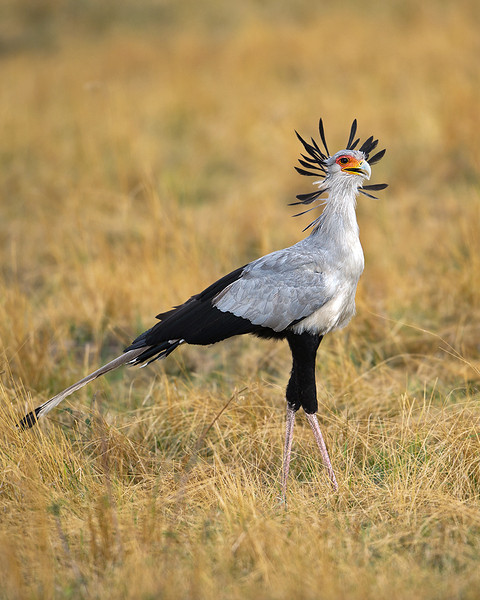
Secretarybird look straight at the lens – ©Pinterest – Rudi Luyten

You would like me to take a note?

Secretarybird -Notice the eyelashes – ©Pinterest

Looking down to start writing! [Notice the eyelashes]

“Let not mercy and truth forsake you; Bind them around your neck, Write them on the tablet of your heart,” (Proverbs 3:3 NKJV)

These Secretarybird photos were on Pinterest and I decided to share them.

Secretarybird (Sagittarius serpentarius) by Africaddict

Secretarybird (Sagittarius serpentarius) by Africaddict

Secretarybirds were named this because: “The secretary bird’s English name was once thought to come from the 1800s, when Europeans first spotted these birds. Back then, male secretaries wore gray tailcoats and dark knee-length pants. They also used goose-quill pens that they carried behind their ears. This long-legged bird shares many of these same physical features: long, dark quills at the back of the head; long, gray wing and tail feathers that resemble a tailcoat; and black feathers that go midway down the legs like short pants. It’s fun to imagine how the two “secretaries” compare!” From San Diego Zoo – Secretary Bird Nice photos in this article to check out!

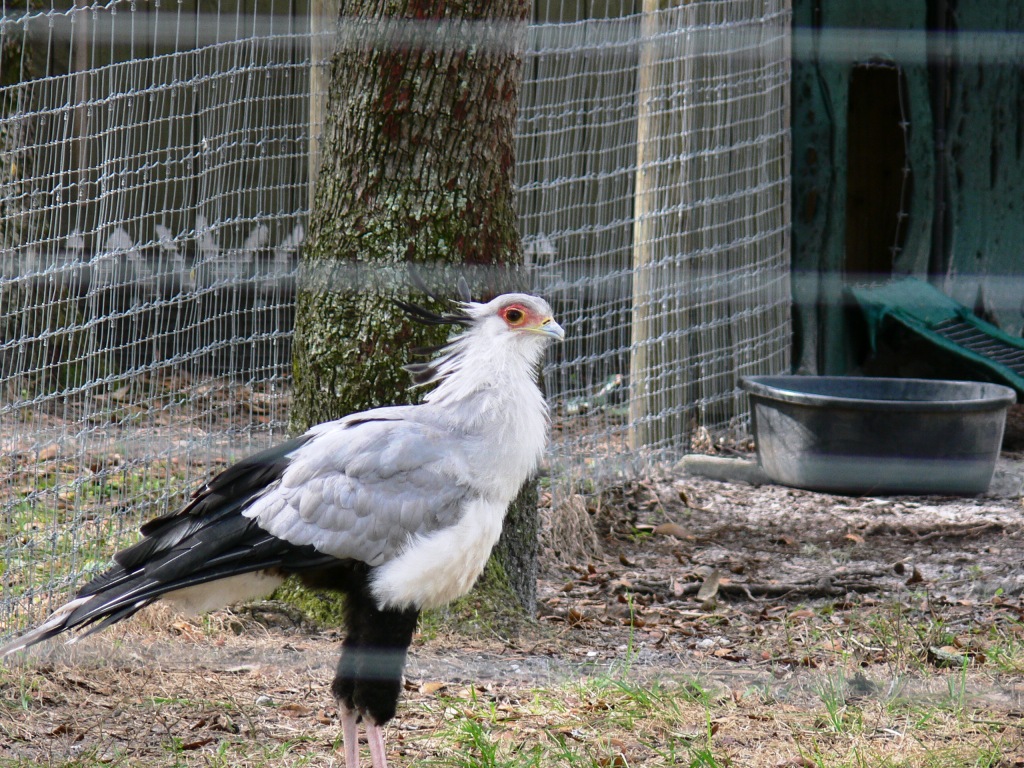
Secretarybird (Sagittarius serpentarius) by Lee

Secretarybird (Sagittarius serpentarius) by Lee

These are one of my many favorite birds. With over 10,700 birds in the world, it is easy to have many favorites that the Lord, their Creator, has given us to enjoy.

*
Secretary Bird – The Walker

The Wise Owl

Andre Rieu – Amazing Grace

Thought you might enjoy this video. Andre Rieu – Amazing Grace

No longer available -8/31/24

Amazing Grace, how sweet the sound,
That saved a wretch like me.
I once was lost but now am found,
Was blind, but now I see.

Graceful Prinia (Prinia gracilis) by Nikhil Devasar

Graceful Prinia (Prinia gracilis) by Nikhil Devasar

T’was Grace that taught my heart to fear.
And Grace, my fears relieved.
How precious did that Grace appear
The hour I first believed.

Injured Roseate Spoonbill at Flamingo Gardens by Lee

Through many dangers, toils and snares
I have already come;
‘Tis Grace that brought me safe thus far
and Grace will lead me home.

Prothonotary Warbler (Protonotaria citrea) Neal Addy Gallery

Prothonotary Warbler (Protonotaria citrea) Neal Addy Gallery

The Lord has promised good to me.
His word my hope secures.
He will my shield and portion be,
As long as life endures.

Yea, when this flesh and heart shall fail,
And mortal life shall cease,
I shall possess within the veil,
A life of joy and peace.

Brown-throated Sunbird (Anthreptes malacensis) ©WikiC

When we’ve been there ten thousand years
Bright shining as the sun.
We’ve no less days to sing God’s praise
Than when we’ve first begun.


Birds in Hymns

What will you do with Jesus?


Birds Who Build Pyramids by Creation Moments

BIRDS WHO BUILD PYRAMIDS

Listen and or Watch


Job 12:7″But ask now the beasts, and they shall teach thee; and the fowls of the air, and they shall tell thee…”

Bee-eaters are birds whose way of life and behavior are both intelligent and unusual. There are 24 species of bee-eaters.
Birds Who Build Pyramids
Bee-eaters make their living catching and eating bees and wasps with stingers. The poison in many of these stinging insects is powerful enough to kill bee-eaters, but the birds are not only skilled at avoiding stings, they know how to remove the poison from the bee when they eat it. Having captured a bee or wasp, a bee-eater will take it to a branch where he will pound its head and rub its stinging end until all of the poison has been removed from the insect’s venom sac. Once the poison is removed, the bee-eater enjoys lunch.

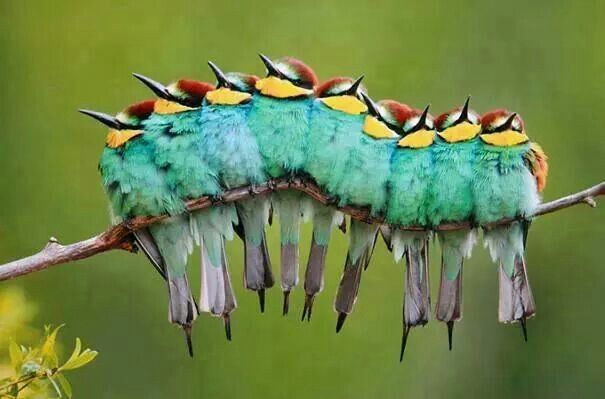
Bee-eaters are described as lively and sociable. You seldom see one roosting all by itself. And when the weather is cool, bee-eaters huddle together to keep each other warm. There are even reports that bee-eaters will roost on each other’s backs, forming a feathered pyramid made out of birds.

Bee-eaters Huddled Together – from email

Now, it’s possible that bee-eaters figured out that they were warmer when huddled together, although even that much intelligence had to come from their Creator. But how could bee-eaters simply “discover” how to detoxify bees? If this ability evolved by trial and error, there would probably be no descendants of the first bee-eaters around today. Obviously, this dangerous behavior would not favor survival. This makes the bee-eater one of God’s own arguments against evolution!

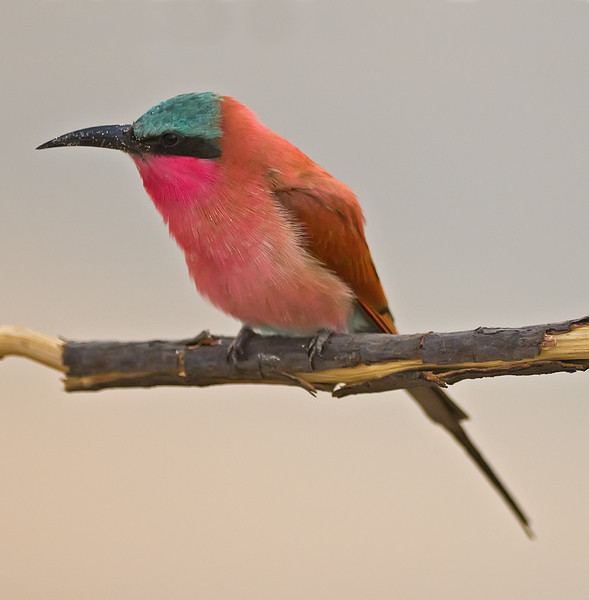
Southern Carmine Bee-eater (Merops nubicus) by Marc at Africaddict

Southern Carmine Bee-eater (Merops nubicus) by Marc at Africaddict

Prayer: “Lord, not only does Your wisdom surround us, but You have so generously given intelligence and wisdom to so many of Your creatures. I thank You for the wonder Your handiwork inspires. In Jesus’ Name. Amen.

Notes:
Clanbake. Natural History, Mar. 1990. p. 94. Photo: A male Blue-throated Bee-eater presents his mate with a captured insect. Photo taken by Lip Kee Yap and licensed under the Creative Commons Attribution-Share Alike 2.0 Generic license.

Used with permission of Creation Moments


Tawny Frogmouths at the Zoo

Tawny Frogmouth at Brevard Zoo 4-3-18 by Lee

At the Brevard Zoo recently, we saw two Tawny Frogmouths. They were in one of their aviaries. [An aviary is a large area where birds can fly freely.] It also makes it easier to take photos, because you are in the aviary with the birds and critters. You do not have to take the photos through cage wires, etc.

Tawny Frogmouth [either young or famale] at Brevard Zoo

“Hide not thy face from me in the day when I am in trouble; incline thine ear unto me: in the day when I call answer me speedily.” (Psalms 102:2 KJV)

The Tawny Frogmouth (Podargus strigoides) is a species of frogmouth native to and found throughout the Australian mainland and Tasmania. Tawny frogmouths are big-headed, stocky birds often mistaken for owls due to their nocturnal habits [night time] and similar coloring.

Tawny Frogmouth at Brevard Zoo 4-3-18 by Lee

Fun Fact: “Their silvery-grey plumage patterned with white, black, and brown streaks and mottles allows them to freeze into the form of a broken tree branch and become practically invisible in broad daylight.”

This one might be thinking, “What you looking at?

Tawny Frogmouth at Brevard Zoo 4-3-18 by Lee

“Watch and pray, lest you enter into temptation. The spirit indeed is willing, but the flesh is weak.” (Matthew 26:41 NKJV)


Big Feet

Young Gallinule at Viera Wetlands

On the Fourth of July, yesterday, we were at Viera Wetlands, Viera, Florida and spotted this young Common Gallinule, depending on what they are calling it. Look at its feet. He/she has some growing to do to fit those feet.

Below is how it will look when it matures.

Common Gallinule (Gallinula chloropus) by Reinier Munguia

“I have been young, and now am old; yet have I not seen the righteous forsaken, nor his seed begging bread.” (Psalms 37:25 KJV)

Another promise our Savior and Creator has given us. Lord’s Blessings.

Common Gallinule – All About Birds

Shield of Thy Salvation

Cardinal Parents at Brevard Zoo

Cardinal Brevard Zoo

At the Brevard Zoo today, we saw some Northern Cardinals flying really close to where I was standing.

Cardinal Brevard Zoo 7-3-18

I was enjoying getting some photos, when we noticed that they were feeding a youngster who had fallen out of the nest. It had landed on a palm leaf right above the walkway where I was standing.

Cardinal Baby Brevard Zoo 7-3-18

That is when I realized the Momma Cardinal was also keeping an eye on the situation.

Momma Cardinal Brevard Zoo 7-3-1

We were quite concerned that it might fall into the walkway and someone would step on it accidentally. At the next exhibit, we told the keeper. He asked if it was the one in the palm tree. Yes. Well, he had just put it back in the next about 10 minutes before. Said he would go back and put it back in again.

We sure hope it makes it and quits getting out of the nest. It is too small to survive on its own and can’t fly yet. He also told us that there were no other little ones in the nest. I am sure that those concerned Cardinals will do their best.

“I know all the fowls of the mountains: and the wild beasts of the field are mine.” (Psalms 50:11 KJV)

I know the Lord, who Created Cardinals, knows all about the situation. If He cares about the littlest baby Cardinal, rest assured, He cares about you and I.

Photos aren’t the best, but I am writing this on my laptop and away from the editing program.

Hymns With Birds and Creation – We Sing… Verse 3

We Sing the Mighty Power of God – Verse 3

There’s not a plant or flower below but makes your glories known,

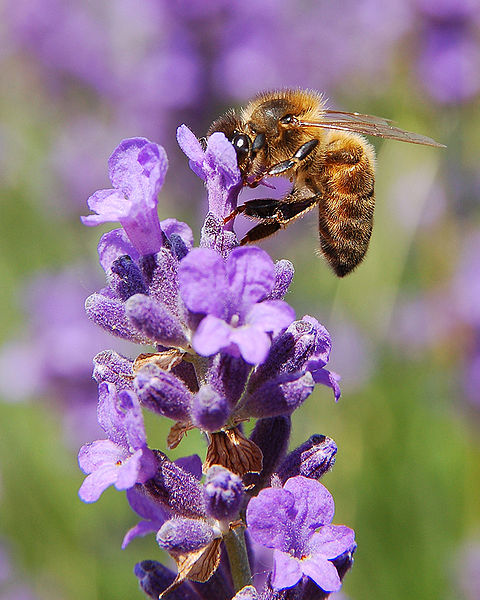
Bee – On a Flower ©WikiC

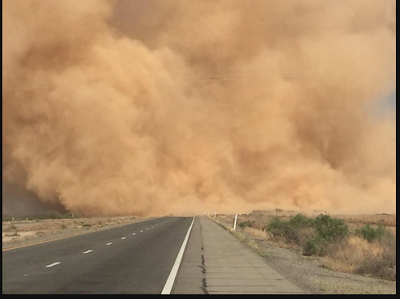
and clouds arise and tempests blow by order from your throne;

while all that borrows life from you is ever in your care,

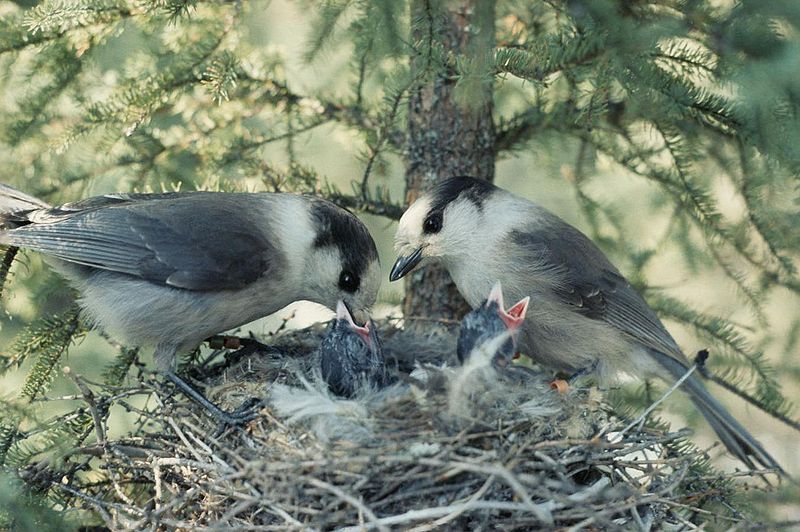
Grey Jay (Perisoreus canadensis) Feeding at Nest WikiC

Grey Jay (Perisoreus canadensis) Feeding at Nest WikiC

and everywhere that we can be, you, God, are present there.

Common Yellowthroat (Geothlypis trichas) ©WikiC

By Isaac Watts