
Eared Dove (Zenaida auriculata) by Robert Scanlon
Also he sent forth a dove from him, to see if the waters were abated from off the face of the ground; (Genesis 8:8 KJV)

Eared Dove (Zenaida auriculata) by Robert Scanlon
Also he sent forth a dove from him, to see if the waters were abated from off the face of the ground; (Genesis 8:8 KJV)

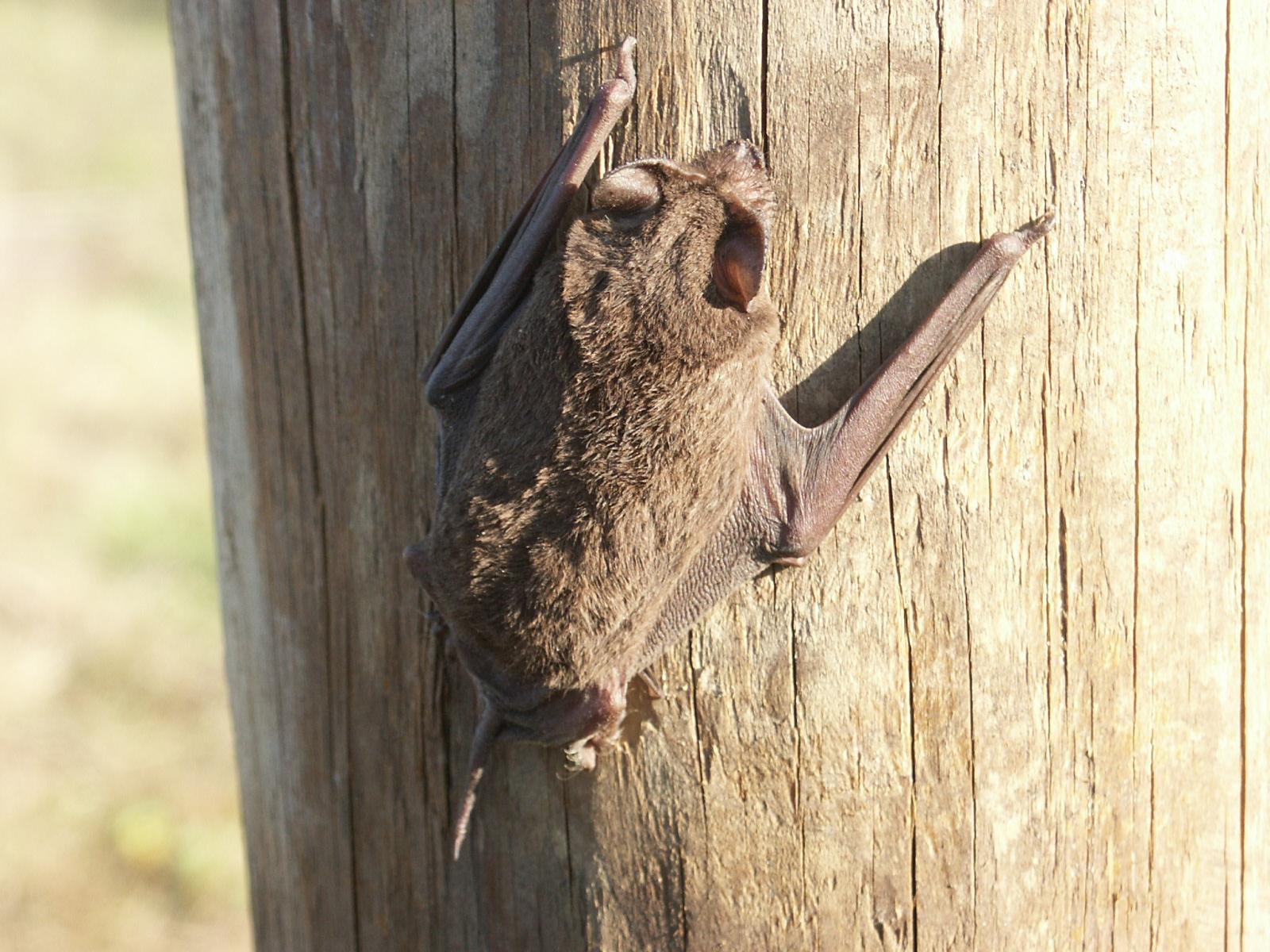
Giant Fruit Bat at Cincinnati Zoo by Dan
And the stork, the heron after her kind, and the lapwing, and the bat. All fowls that creep, going upon all four, shall be an abomination unto you. Yet these may ye eat of every flying creeping thing that goeth upon all four, which have legs above their feet, to leap withal upon the earth; Even these of them ye may eat; the locust after his kind, and the bald locust after his kind, and the beetle after his kind, and the grasshopper after his kind. But all other flying creeping things, which have four feet, shall be an abomination unto you.
(Leviticus 11:19-23 KJV)
While we were at the Cincinnati Zoo, we were able to see and photograph several Bat species. They were really cool and I wanted to share them with you.

Giant Fruit Bat at Cincinnati Zoo by Lee
Then I remembered that I had written about them in Birds of the Bible – The Bat?, in 2010. That article was about the controversy over whether a Bat is a Bird. This time, I am mainly sharing the photos of the Bats that are there at the Zoo and comments about them. Just one personal observation about the above verses. The use of “fowl” in the King James Version and some of the others seems to refer to any creature that had wings and flies. I quoted the whole context because; 1) The verse and chapter separations were inserted later, 2) Birds, bats, and insects all seem to be referred to with the same collective term, “fowl.” I do not have a problem with the bat. It is not a bird.
The only other verses using “bat” or “bats” are:
And the stork, and the heron after her kind, and the lapwing, and the bat. (Deuteronomy 14:18 KJV)
In that day a man shall cast his idols of silver, and his idols of gold, which they made each one for himself to worship, to the moles and to the bats; (Isaiah 2:20 KJV)
The bats we saw at the Cincinnati Zoo were the Giant Fruit Bats and the Vampire Bats. They are amazing creatures of design and creation from their Creator, the Lord.
*

Giant Fruit Bat’s Foot amazed me
Giant Fruit Bat (Pteropus giganteus) or Indian Flying Fox is found in Bangladesh, China, India, the Maldives, Nepal, Pakistan, and Sri Lanka. Also known as the greater Indian fruit bat, it lives in mainly forests. It is a very large bat with a wingspan between 3 ft 10 in and 4 ft 10 in (1.2 and 1.5 m). It is nocturnal and feeds mainly on ripe fruits, such as mangoes and bananas, and nectar. This bat is gregarious and lives in colonies which can number a few hundred. Their offspring have no specific name besides ‘young’. They have one to two young.
The Indian flying fox lives in tropical forests and swamps, where a large body of water is nearby.
The way they were hanging up there amazed me. I zoomed in and took a photo of its foot. Also, they almost looked like a large cocoon hanging up there with the wings wrapper around them. The first photo, Dan caught one of them stretching.
*
*

Common Vampire Bat Cincinnati Zoo by Lee (Shot through glass into a dark exhibit)
(Common) Vampire Bat (Desmodus rotundus) – The common vampire bat mainly feeds on the blood of livestock, approaching its prey at night while they are sleeping. It uses its razor-sharp teeth to cut open the skin of its hosts and laps up their blood with its long tongue. They are native to the New World, ranging from Mexico to Brazil, Chile, and Argentina.
The common vampire bat is short-haired, with silver-gray fur on its undersides, sharply separated from the darker fur on its back. It has small, somewhat rounded ears, a deeply grooved lower lip, and a flat, leaf-shaped nose. A well-developed, clawed thumb on each wing is used to climb onto prey and to assist the animal in take-off. The bat averages about 3.5 in (9 cm) long with a wingspan of 7 in (18 cm). It commonly weighs about 2 oz (57 grams), but its weight can double after a single feeding. The braincase is relatively large, but the snout is reduced to accommodate large incisors and canines. It has the fewest teeth among bats.

Common Vampire Bat – Cincinnati Zoo by Lee
Common vampire bats have good eyesight. They are able to distinguish different optical patterns and may use vision for long-range orientation. These bats also have well-developed senses of smell and hearing: the cochlea (ear) is highly sensitive to low-frequency sounds, and the nasal passages are relatively large. They emit echolocation signals orally, and thus fly with their mouths open for navigation.

Common Vampire Bat – Cincinnati Zoo by Lee
*
(Wikipedia with editing)
*
*
Links:
Giant Fruit Bats – Cincinnati Zoo
Indian Flying Fox – Wikipedia
Vampire Bats – Cincinnati Zoo
Common Vampire Bat – Wikipedia
*
Here is an older post from October 2010 that you might enjoy reading/re-reading. It is written for the younger readers, but all will find plenty of interesting facts about the Lord’s Creations.

Baudet Donkey – Shaky and Brown
While looking for the quoted thoughts by G. D. Watson, “Others May, You Cannot,” I found the Christian Articles Website. It is loaded with articles by numerous pastors and preachers, but also other Christian writers. That is where I found Harriet N. Cook’s “Scripture Alphabet of Animals.” Her works and the others on that website are in the public domain and usable. I have decided to use her as a guest writer and produce the bird sections (finished) she wrote about. The other sections are being done also. They are listed below. Also, her books are available on Google Books and can be read on the computer or one of the eBook readers.
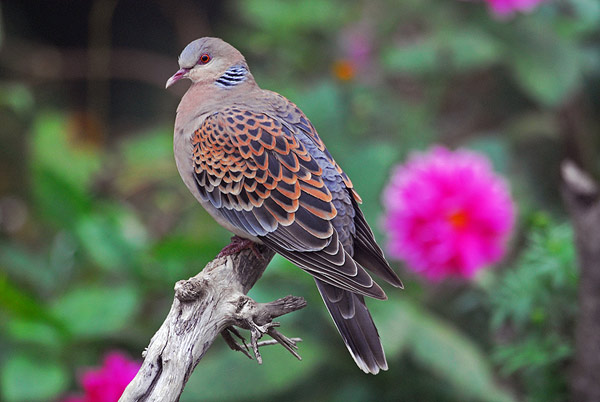
Oriental Turtle Dove (Streptopelia orientalis) by Nikhil
Harriet Newell Cook was born in 1814 and died in 1843. In her short 29 years of life she wrote several juvenile books and thought I would share parts of them here. “Her first volume for the young was one of Natural History, calculated to illustrate portions of the Bible, for the young, and entitled, “The Scripture Alphabet of Animals.” Nearly thirty thousand copies of the work have been printed in its English dress, and eight thousand of the German translation. The style of this work is eminently lucid…”
Her last very interesting work for the young —“The Trees, Flowers and Fruits of the Bible“– she was not permitted to finish, by reason of her death. It was completed by Miss F. M. Caulkins…” (From Memoir of Mrs. Harriet Newell Cook By Lydia Howard Sigourney, at Google Books)
Beasts, and all cattle; creeping things, and flying fowl: Kings of the earth, and all people; princes, and all judges of the earth: Both young men, and maidens; old men, and children: Let them praise the name of the LORD: for his name alone is excellent; his glory is above the earth and heaven. (Psalms 148:10-13 KJV)
It was difficult finding information about her personally. Also, I couldn’t find a picture of her. One thing was for certain, she appears to have loved the Lord greatly and wanted to serve Him through her writing.
See Also:
Scripture Alphabet of Animals: The Ant
Scripture Alphabet of Animals: The Ass
Scripture Alphabet of Animals: The Bear
Scripture Alphabet of Animals: The Bee
Scripture Alphabet of Animals: The Camel
Scripture Alphabet of Animals: The Dog
Scripture Alphabet of Animals: The Eagle
Scripture Alphabet of Animals: The Fox or Jackal
Scripture Alphabet of Animals: The Goat
Scripture Alphabet of Animals: The Hart and Hind
Scripture Alphabet of Animals: The Horse
Scripture Alphabet of Animals: The Ibex or the Wild Goat
Scripture Alphabet of Animals: The Jerboa or Mouse
Scripture Alphabet of Animals: The Kite
Scripture Alphabet of Animals: The Leopard
Scripture Alphabet of Animals: The Lion
Scripture Alphabet of Animals: The Locust
Scripture Alphabet of Animals: The Mole
Scripture Alphabet of Animals: The Night-Hawk
Scripture Alphabet of Animals: The Ostrich
Scripture Alphabet of Animals: The Peacock
Scripture Alphabet of Animals: The Quail
Scripture Alphabet of Animals: The Raven
Scripture Alphabet of Animals: The Roe or Gazelle
Scripture Alphabet of Animals: The Scorpion
Scripture Alphabet of Animals: The Sheep
Scripture Alphabet of Animals: The Stork
Scripture Alphabet of Animals: The Turtle-Dove
Scripture Alphabet of Animals: The Unicorn
Scripture Alphabet of Animals: The Vulture
Scripture Alphabet of Animals: The Whale
Scripture Alphabet of Animals: The Wolf
See:
I trust you enjoy Deuteronomy 14:11-18 with pictures.
*
I trust you like my effort to use the Slideshow this way.
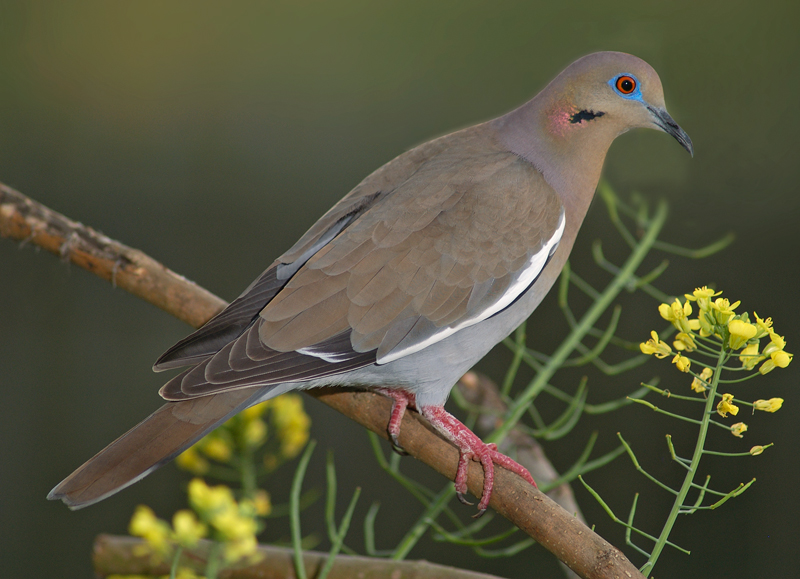

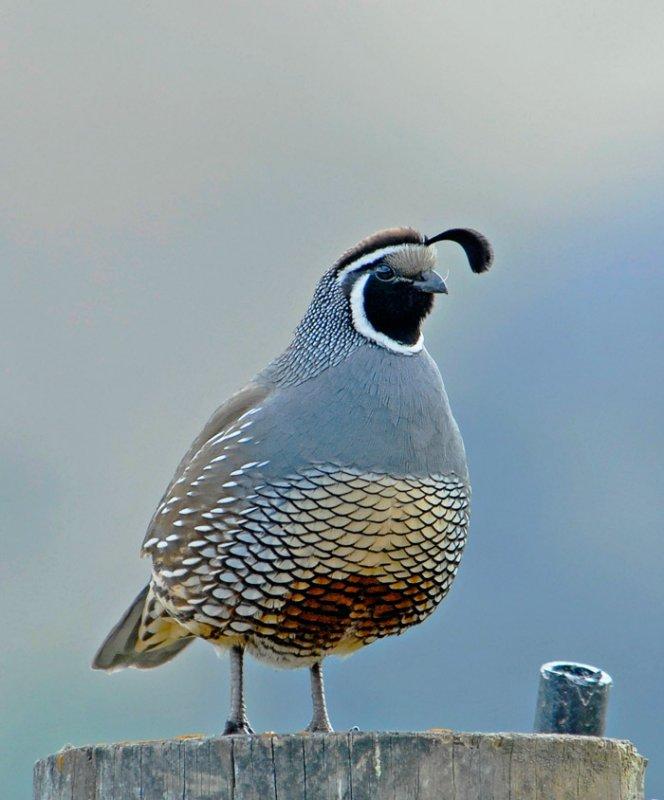


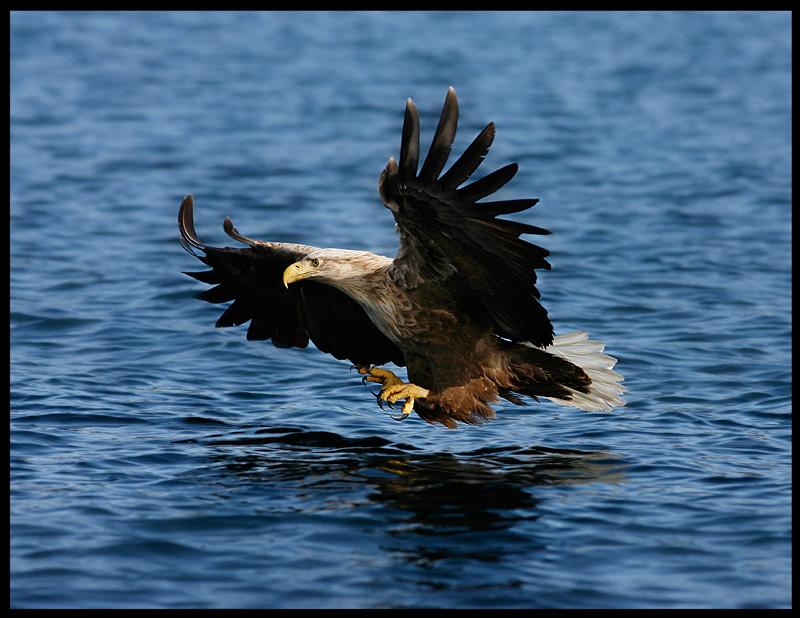

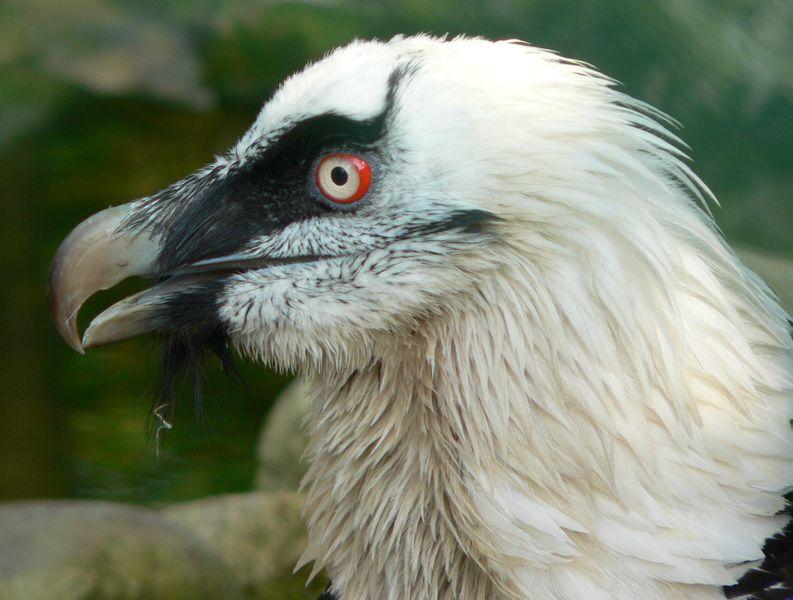


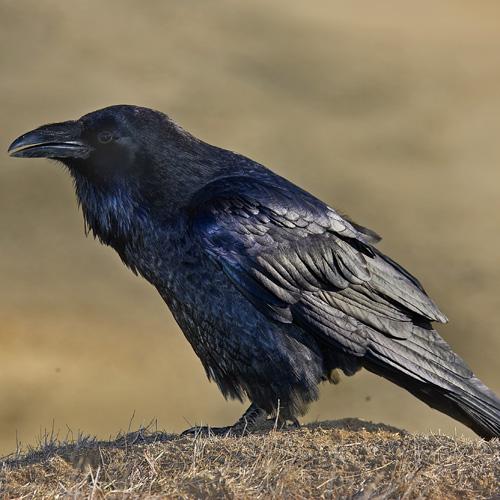
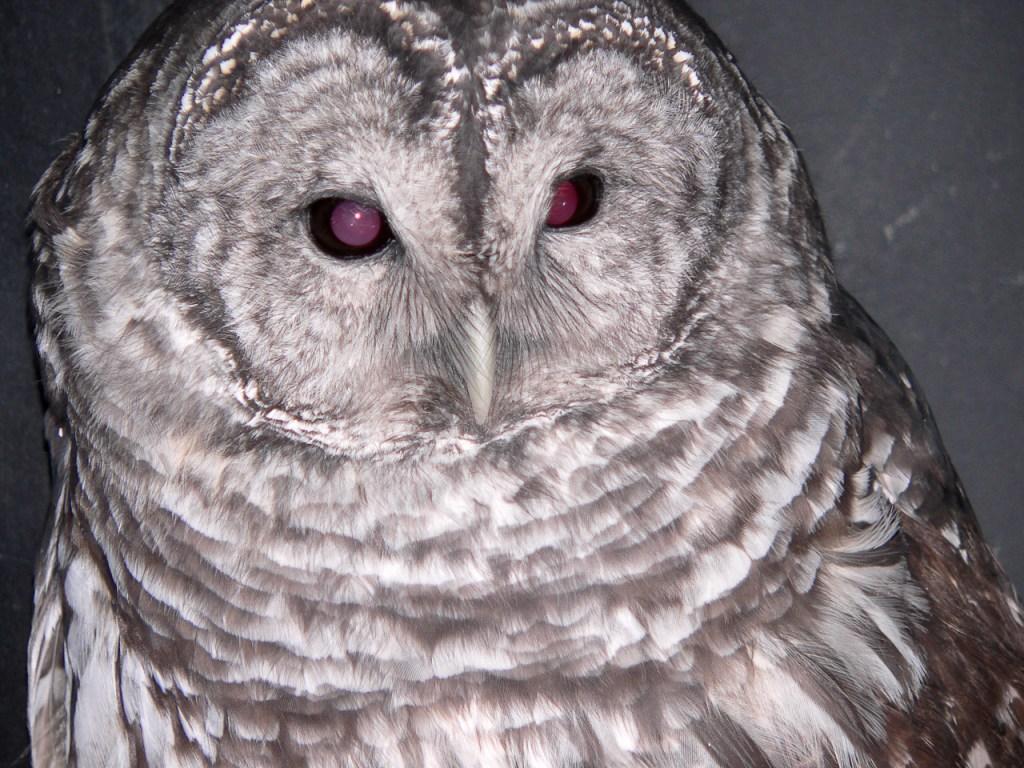


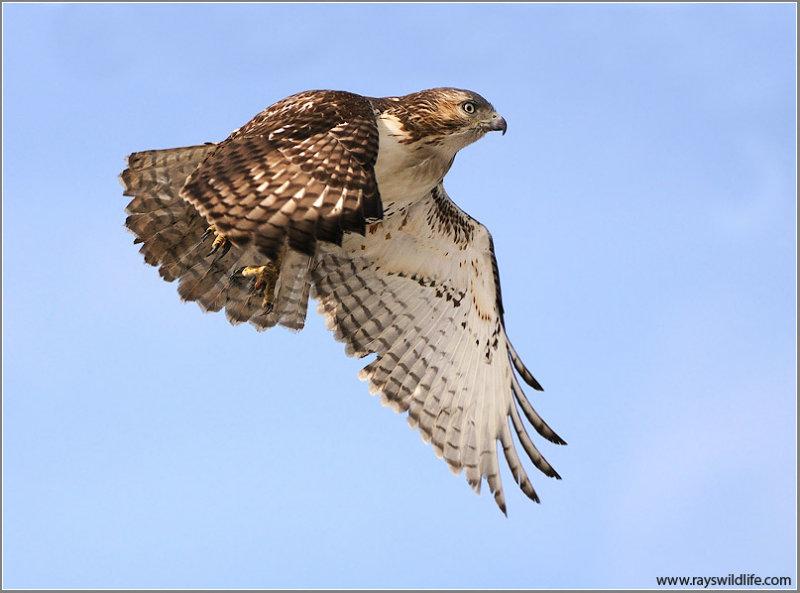


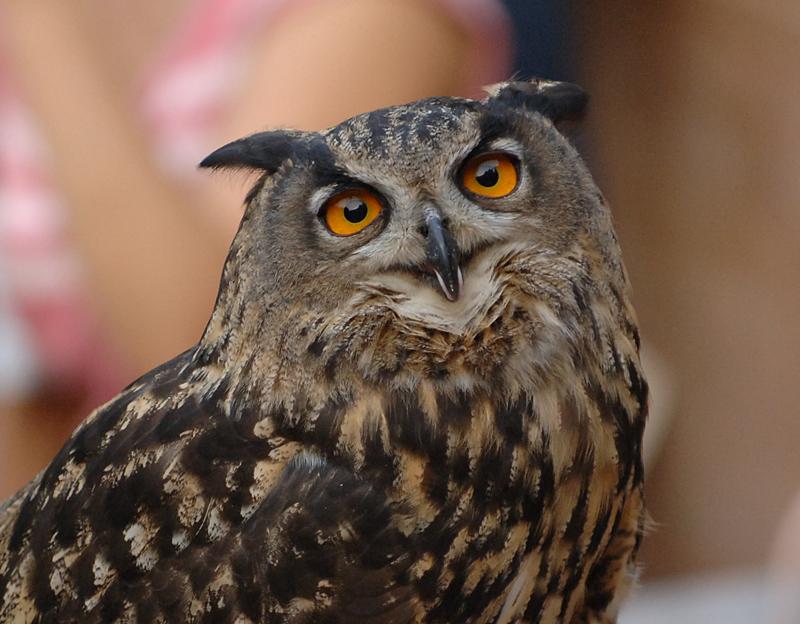


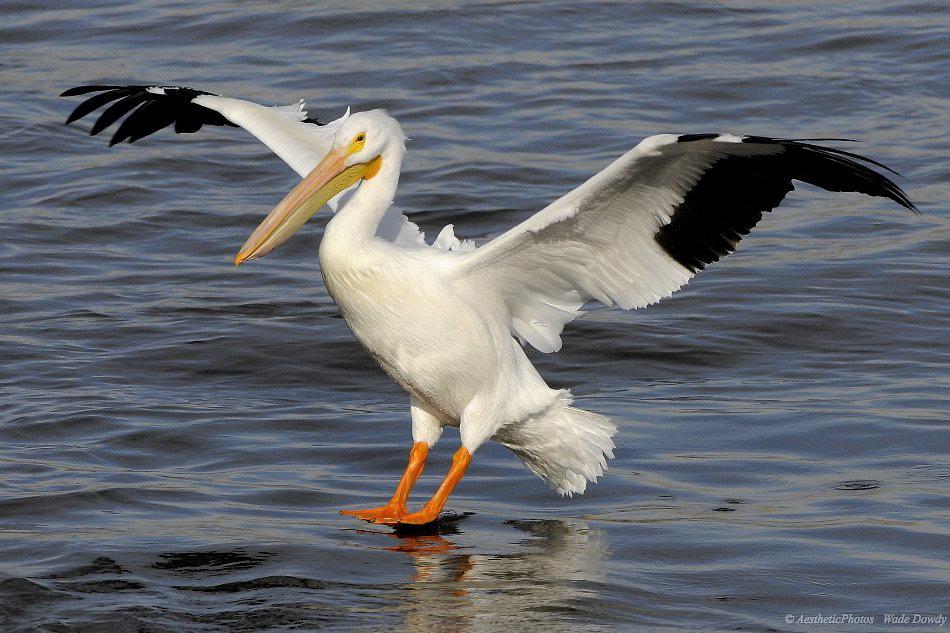


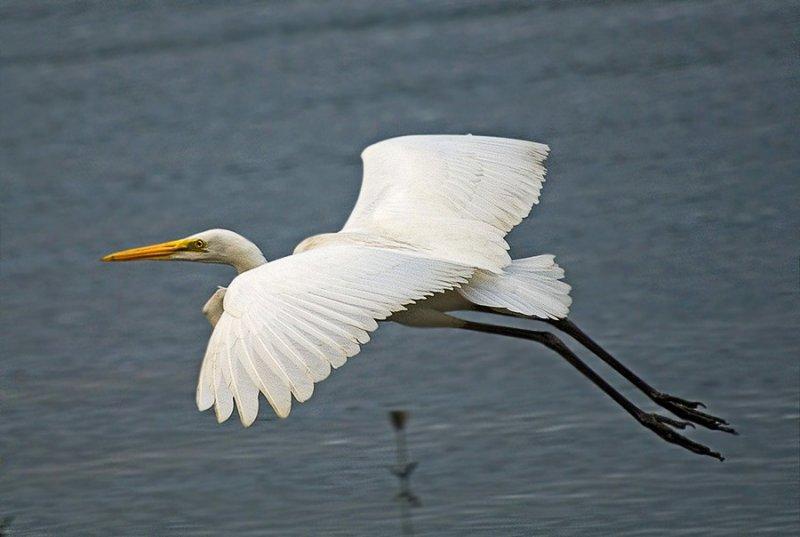




KJV
Most photos were provided by permission of the photographers in the sidebar.
Deuteronomy 14:11-18 KJV
(11) Of all clean birds ye shall eat.
(12) But these are they of which ye shall not eat: the eagle, and the ossifrage, and the ospray,
(13) And the glede, and the kite, and the vulture after his kind,
(14) And every raven after his kind,
(15) And the owl, and the night hawk, and the cuckow, and the hawk after his kind,
(16) The little owl, and the great owl, and the swan,
(17) And the pelican, and the gier eagle, and the cormorant,
(18) And the stork, and the heron after her kind, and the lapwing, and the bat.
*
Vol. 2 – 6 The Mountain Bluebird, which is from the Kid’s Section, had some Bluebirds skip out and break their links. They were too pretty to let them get away.
The Birds Illustrated by Color Photography – Revisited has some very interesting information about birds, but written from a young reader’s level. Here is the Mountain Bluebird reblogged with some added information and the Bluebirds back on their posts.
This was written back in 2013. Trust you enjoy this article and links to other Bluebird articles.
***

Mountain Bluebird (Sialia currucoides) for Birds Illustrated
From col. Chi. Acad. Sciences. Copyrighted by
Nature Study Pub. Co., 1897, Chicago.

N an early number of Birds we presented a picture of the common Bluebird, which has been much admired. The mountain Bluebird, whose beauty is thought to excel that of his cousin, is probably known to few of our readers who live east of the Rocky Mountain region, though he is a common winter sojourner in the western part of Kansas, beginning to arrive there the last of September, and leaving in March and April. The habits of these birds of the central regions are very similar to those of the eastern, but more wary and silent. Even their love song is said to be less loud and musical. It is a rather feeble, plaintive, monotonous warble, and their chirp and twittering notes are weak. They subsist upon the cedar berries, seeds of plants, grasshoppers, beetles, and the like, which they pick up largely upon the ground, and occasionally scratch for among the leaves. During the fall and winter they visit the plains and valleys, and are usually met with in small flocks, until the mating season.
Nests of the Mountain Bluebird have been found in New Mexico and Colorado, from the foothills to near timber line, usually in deserted Woodpecker holes, natural cavities in trees, fissures in the sides of steep rocky cliffs, and, in the settlements, in suitable locations about and in the adobe buildings. In settled portions of the west it nests in the cornice of buildings, under the eaves of porches, in the nooks and corners of barns and outhouses, and in boxes provided for its occupation. Prof. Ridgway found the Rocky Mountain Bluebird nesting in Virginia City, Nevada, in June. The nests were composed almost entirely of dry grass. In some sections, however, the inner bark of the cedar enters largely into their composition. The eggs are usually five, of a pale greenish-blue.
The females of this species are distinguished by a greener blue color and longer wings, and this bird is often called the Arctic Bluebird. It is emphatically a bird of the mountains, its visits to the lower portions of the country being mainly during winter.
Heaped in the hollows of the grove, the autumn leaves lie dead;
They rustle to the eddying gust, and to the rabbits’ tread.
The Robin and the Wren are flown, and from the shrubs the Jay,
And from the wood-top calls the Crow all through the gloomy day.
—Bryant.
Summary:
MOUNTAIN BLUEBIRD.—Sialia arctica. Other names: “Rocky Mountain” and “Arctic Bluebird.”
Range—Rocky Mountain region, north to Great Slave Lake, south to Mexico, west to the higher mountain ranges along the Pacific.
Nest—Placed in deserted Woodpecker holes, natural cavities of trees, nooks and corners of barns and outhouses; composed of dry grass.
Eggs—Commonly five, of pale, plain greenish blue.

Mountain Bluebird (Sialia currucoides) by Daves BirdingPix
Lee’s Addition:
…In the LORD put I my trust: how say ye to my soul, Flee as a bird to your mountain? … If the foundations be destroyed, what can the righteous do? The LORD is in his holy temple, the LORD’S throne is in heaven: his eyes behold, his eyelids try, the children of men. … For the righteous LORD loveth righteousness; his countenance doth behold the upright.
(Psalms 11:1,3,4,7 KJV)
The Mountain Bluebird belongs to the Turdidae – Thrushes Family and as such have Thrush characteristics. Since blue is my favorite color, the bluebirds are some of my favorites. The Lord has used such variety in His coloration, that I am happy that blue was one of them. We have also the Eastern and Western Bluebirds plus the Asian and Philippine Fairy-bluebirds.
The Mountain Bluebird (Sialia currucoides) is a medium-sized bird weighing about 1.1 ounces (30 g) with a length from 6.3–7.9 in (16–20 cm). They have light underbellies and black eyes. Adult males have thin bills that are bright turquoise-blue and somewhat lighter beneath. Adult females have duller blue wings and tail, grey breast, grey crown, throat and back. In fresh fall plumage, the female’s throat and breast are tinged with red-orange; brownish near the flank contrasting with white tail underparts. Call is a thin few; Song is warbled high chur chur.
The mountain bluebird is migratory. Their range varies from Mexico in the winter to as far north as Alaska, throughout the western U.S. and Canada. Northern birds migrate to the southern parts of the range; southern birds are often permanent residents. Some birds may move to lower elevations in winter. They inhabit open rangelands, meadows, generally at elevations above 5,000 feet. Contrary to popular belief, mountain bluebirds are not a species of concern in the United States. The turn around in mountain bluebird numbers is due to the overwhelming efforts of landowners in the West to provide nest boxes for these birds. At one time, mountain bluebird numbers were threatened because of increased agricultural activities destroying habitats.
These birds hover over the ground and fly down to catch insects, also flying from a perch to catch them. They mainly eat insects, over 90%, and berries. They may forage in flocks in winter, when they mainly eat grasshoppers. Mountain bluebirds will come to a platform feeder with live meal worms, berries, or peanuts.

Mountain Bluebird (Sialia currucoides) by Ian Montgomery nest
Their breeding habitat is open country across western North America, including mountain areas, as far north as Alaska. They nest in pre-existing cavities or in nest boxes. In remote areas, these birds are less affected by competition for natural nesting locations than other bluebirds. Mountain bluebirds are a monogamous breed. The male can be seen singing from bare branches. The singing takes place right at dawn, just when the sun rises. Females usually build the nests themselves. Eggs: pale blue and unmarked, sometimes white. Clutch Size: 4-5 eggs. Young are naked and helpless at hatching and may have some down. Incubation normally last 14 days and the young will take about 21 days before they leave the nest. Both males and females fiercely protect the nest.
It is the state bird of Idaho and Nevada.
Mountain bluebirds are cavity nesters and can become very partial to a nest box, especially if they have successfully raised a clutch. They may even re-use the same nest, though not always. Providing nest boxes is a great way to observe these beautiful birds. Mountain bluebirds will not abandon a nest if human activity is detected close by or at the nest. Because of this, mountain bluebirds can be easily banded while they are still in the nest.

Mountain Bluebird (Sialia currucoides) by Margaret Sloan
*

Mountain Bluebird (Sialia currucoides) by Ian Montgomery
Birds Illustrated by Color Photography – Revisited
The above article is an article in the monthly serial for October 1897 “designed to promote Knowledge of Bird-Live.” These include Color Photography, as they call them, today they are drawings. There are at least three Volumes that have been digitized by Project Gutenberg.
To see the whole series of – Birds Illustrated by Color Photography – Revisited
*
(Information from Wikipedia and other internet sources, with editing)
Next Article – The English Sparrow
The Previous Article – The Ornithological Congress
Links:
*

Bald Eagle Lowry Park Zoo 12-31-15 by Lee
An apology to those of our readers who have encountered a “404 Page Not Found” error. For some reason, there are many broken links on this Blog. I have been noticing them lately, especially links to photos. Yikes!! There are hundreds of them. There is no clue as to where they flew off to. Most of them are links to bird photos. The birds must have just flown the coop. :) [Maybe Hurricane Irma blew them away.]
“And out of the ground the LORD God formed every beast of the field, and every fowl of the air; and brought them unto Adam to see what he would call them: and whatsoever Adam called every living creature, that was the name thereof.” (Genesis 2:19 KJV)
Actually, this is going to take much time working behind the scenes to replace the photos, once the broken “links” are discovered. There is a program online to scan your pages for missing links. As many of you know, we have tried to find a photo of all the living birds the Lord created. With over 10,600 birds, it has been a challenge finding these photos so that readers can click the links to see that particular bird.

Bald Eagle (Haliaeetus leucocephalus) Flying by Aesthetic Photos
That program scanned just the Accipitridae – Kites, Hawks and Eagles page and found 111 broken links. There are 256 birds in that Family. It will take hours just to fix THAT page. Pray that not every Family of birds are missing photos. Many other pages link to the same bird. The task is daunting, but, Lord Willing, the photo links can be repaired in a reasonable time period.
“Knowing this, that the trying of your faith worketh patience. But let patience have her perfect work, that ye may be perfect and entire, wanting nothing. If any of you lack wisdom, let him ask of God, that giveth to all men liberally, and upbraideth not; and it shall be given him. But let him ask in faith, nothing wavering. For he that wavereth is like a wave of the sea driven with the wind and tossed.” (James 1:3-6 KJV)
*** If you encounter a “404 Page Not Found” or another type of problem, please either leave a comment on that page or post, or contact me at Lee@Leesbird.com to leave a note.***
Your help will be greatly appreciated.
P.S. As of last week, the Master of Christian Education [M.CEd.] degree I have been working on was finally finished!!! Yeah!! Not bad for a 74-year-old. :) The Lord is Gracious! The degree was taken online from the School of Biblical Apologetics – Institute for Creation Research. I highly recommend considering taking courses from I.C.R. More about this in another post. [I only mentioned finishing because I’ll have more time to work on these broken links.]
Stay Tuned!!
Bless the LORD, O my soul, And forget not all His benefits: Who forgives all your iniquities, Who heals all your diseases, Who redeems your life from destruction, Who crowns you with lovingkindness and tender mercies, Who satisfies your mouth with good things, So that your youth is renewed like the eagle’s. (Psalms 103:2-5 NKJV)

The Eagle is an interesting bird and I have written about them before. In the King James Version of the Bible, an eagle is mentioned in 34 verses. So, there will be future articles about the eagle also.
The interest of this article is the renewing of the eagle. In Psalms 103:5 (quoted above), your youth is renewed like the eagle’s. What exactly does that mean? Also, in Isaiah 40:31, strength is renewed and “shall mount up with wings as eagles.”
But they that wait upon the LORD shall renew their strength; they shall mount up with wings as eagles; they shall run, and not be weary; and they shall walk, and not faint. (Isaiah 40:31 KJV)
Many articles can be found on the internet about an eagle going off and plucking its feathers and not being able to fly for about five months. The image has even been added that the beak and claws are knocked off and then grow back during that time, giving them another 10 or so more years to their life. I have been trying to find proof of that, and am not finding it. Most Eagle authorities state that that would not happen, because the bird would die during that time with no flight feathers or beak or claws.

If those facts are true, then what is meant by God’s Word about the eagle? I believe God’s Word is true, so there has to be an explanation of it. From the Southwestern Bald Eagle Management I found an interesting chart that shows the different stages of plumage (feathers) as an eagle ages. They said, “In their five year development to adulthood, bald eagles go through one of the most varied plumage changes of any North American bird. During its first four weeks of life, an eaglet’s fluffy white down changes to a gray wooly down. At about five weeks, brown and black feathers begin to grow. It becomes fully feathered at 10 weeks of age. In its first year, the mostly dark-colored juvenile can often be mistaken as a golden eagle. However, the bald eagle progressively changes until it reaches adult plumage at five years. Notice in the pictures how its dark eye lightens throughout its first four years of life until it becomes yellow. Also, see how its beak changes form gray-black to a vibrant yellow.

It is believed that the darker, more mottled plumage of a young eagle serves as camouflage, while the white head and tail announce that it is of breeding age.”
That to me sounds a lot like, “So that your youth is renewed like the eagle’s.” As the eagle goes through the different stages of its life, the new feathers are graciously provided by a Creator that sees to the needs of His creation by having designed those features to renew as it matures.
The Lord provides for renewal for His children as they mature. The following verses tell of a renewed right spirit, mind, spirit of your mind, and knowledge:
Create in me a clean heart, O God; and renew a right spirit within me. (Psalms 51:10 KJV)
And be not conformed to this world: but be ye transformed by the renewing of your mind, that ye may prove what is that good, and acceptable, and perfect, will of God. (Romans 12:2 KJV)
And be renewed in the spirit of your mind; (Ephesians 4:23 KJV)
And have put on the new man, which is renewed in knowledge after the image of him that created him: (Colossians 3:10 KJV)
(Update 11/2/11) Here is another possible explaination about this topic. It might be a vulture instead of an eagle. See: http://www.thewonderofbirds.com/griffon-vulture/bible.htm)
*


*** From the Archives ***
This is the first of “From the Archives.” We have decided to look back over the years and bring back some of the most popular articles. This post has had 114 remarks so far and was originally posted on
[We have advanced in our layout of the blog over the year. The Birds of the Bible articles were the original reason for Lee’s Birdwatching Adventures being launched.

American Kestrel at National Aviary by Dan
If you watched the 19 Funny Bird Videos posted recently, you saw the American Kestrel. It fascinated me that they could hold their head so steady. So, I went looking to find out how and why they do that.
Number one, the American Kestrel (Falco sparverius) is part of the Falconidae – Caracaras, Falcons family. Being part of this family, it is therefore a Bird of the Bible. They Falcon is mentioned in at least two verses. In the list of birds to not eat in Leviticus:
“the kite, and the falcon after its kind;” (Leviticus 11:14 NKJV)
The Sparrow Hawk, as it was formerly called, now the American Kestrel, is the “smallest, most numerous, and most widespread North American falcon. Of the 13 kestrel species that occur throughout the world, it is the only one found in the Western Hemisphere” (Birds of North America) They live on open areas and like to hunt from perches or even utility lines. This place of perching moves as the wind blows. Our Great Creator designed these birds to have the ability to do as you will see in the videos.
As I watched this reaction, several verses came to mind.
Therefore, my beloved brethren, be ye stedfast, unmoveable, always abounding in the work of the Lord, forasmuch as ye know that your labour is not in vain in the Lord. (1 Corinthians 15:58 KJV)
My son, let not them depart from thine eyes: keep sound wisdom and discretion: (Proverbs 3:21 KJV)
Which hope we have as an anchor of the soul, both sure and stedfast, and which entereth into that within the veil;
(Hebrews 6:19 KJV)
(Sorry, I don’t know the code to kill the music.)
But exhort one another daily, while it is called To day; lest any of you be hardened through the deceitfulness of sin. For we are made partakers of Christ, if we hold the beginning of our confidence stedfast unto the end; While it is said, To day if ye will hear his voice, harden not your hearts, as in the provocation. (Hebrews 3:13-15 KJV)
*
Falconidae – Caracaras, Falcons
*
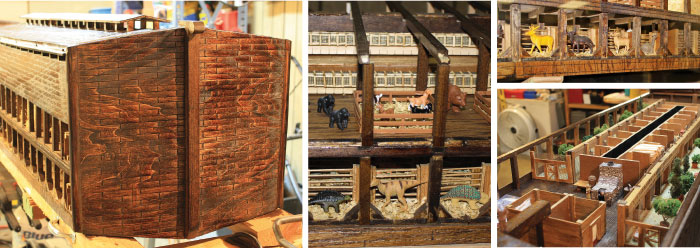
Ernesto Carrasco’s Noah’s Ark Model – Noah’s Ark Model
By faith Noah, being warned of God of things not seen as yet, moved with fear, prepared an ark to the saving of his house; by the which he condemned the world, and became heir of the righteousness which is by faith. (Hebrews 11:7 KJV)
We will continue on with the Birds of the Bible – Foundation series.
If you have not read the previous blogs:
Foundation #1 Updated – Foundation #2 Updated – Foundation #3 Updated – Foundation #4 Updated
(These articles are being updated because they were written back in 2009 and needed a little dusting off. The Truths are the same, just updating the photos, etc.) This article about the Ark is a new one. It needs to go between #4 and #5, but I didn’t want to call it #4.5.

Ark with Animals ©CreationWiki
What this Foundation article is about, is the Ark itself. We read about the birds going into and out of the ark in the other Birds of the Bible Foundation articles. But what about the Ark?
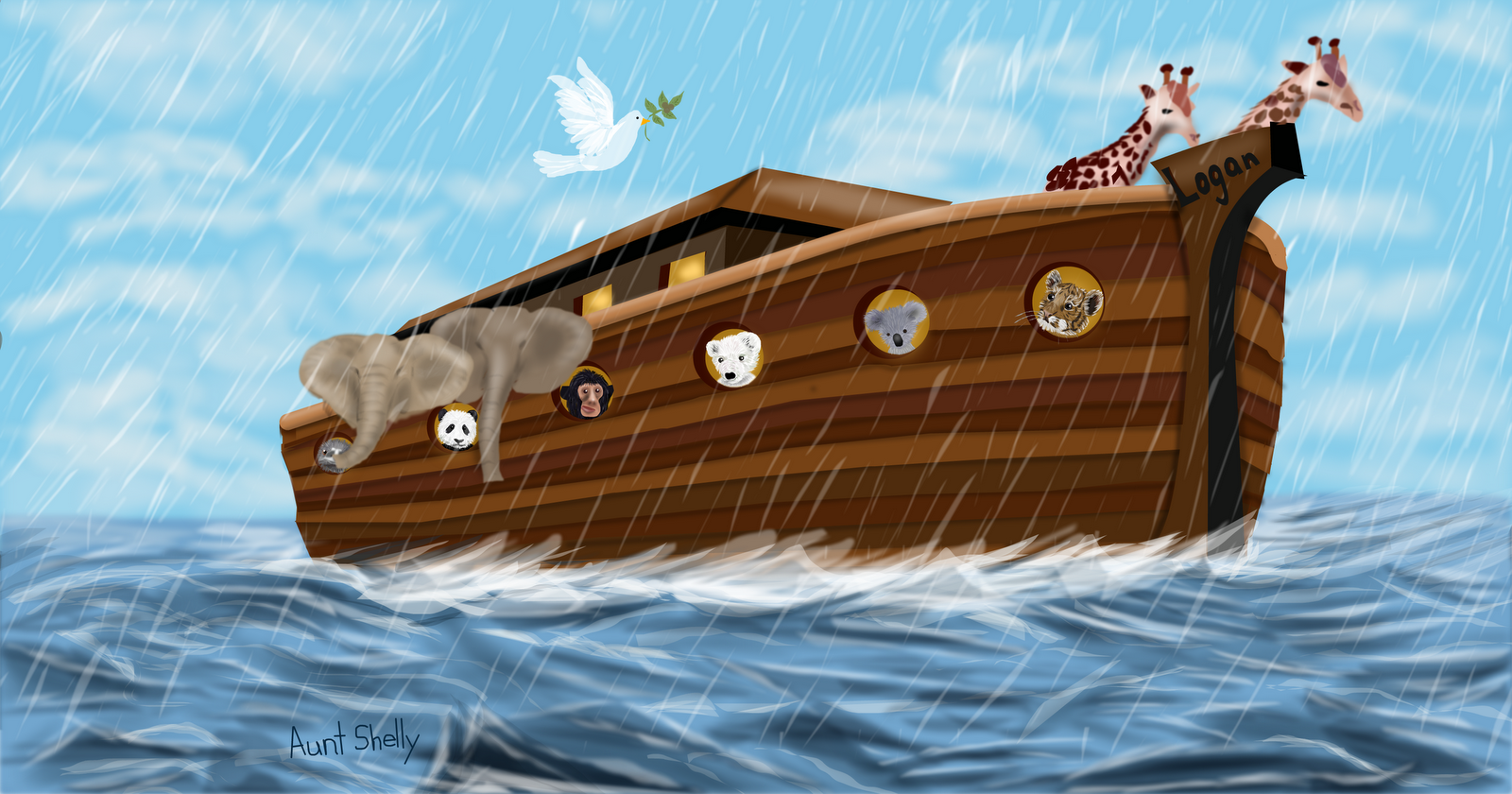
Noah’s Ark © SketchPort
How did Noah, his family, the animals and our birds all fit in the ark? Was it like you see depicted many times in drawings with of a small boat with a giraffe sticking his head out?

Giraffe at Lowry Park Zoo by Lee
If it was a small ark, as some suppose, it is because they do not believe God’s Word. God said He was going to destroy all flesh except those on the Ark.
And, behold, I, even I, do bring a flood of waters upon the earth, to destroy all flesh, wherein is the breath of life, from under heaven; and every thing that is in the earth shall die. But with thee will I establish my covenant; and thou shalt come into the ark, thou, and thy sons, and thy wife, and thy sons’ wives with thee. And of every living thing of all flesh, two of every sort shalt thou bring into the ark, to keep them alive with thee; they shall be male and female. Of fowls after their kind, and of cattle after their kind, of every creeping thing of the earth after his kind, two of every sort shall come unto thee, to keep them alive. (Genesis 6:17-20 KJV) (emphasis mine)
They don’t believe those verses. They think that it was only a local flood. If it were, why did the birds have to come on board? They could have just flown off to some other part of the earth. So, for those that only believe in a partial flood, a small ark with a giraffe sticking out is sufficient.
But, did those verses not say that “flood of waters upon the earth, to destroy all flesh” and “every thing that is in the earth shall die”? Is God a liar? The exception, of course, are those with Noah in the Ark.

Ark Model at Creation Museum ©Flickr Daniel Tuttle
And it came to pass in the six hundredth and first year, in the first month, the first day of the month, the waters were dried up from off the earth: and Noah removed the covering of the ark, and looked, and, behold, the face of the ground was dry. (Genesis 8:13 KJV)
So, we need a big Ark, one that the Giraffes and birds don’t have to hang out the windows. Right? So, how big was the Ark?
“Make yourself an ark of gopherwood; make rooms in the ark, and cover it inside and outside with pitch. And this is how you shall make it: The length of the ark shall be three hundred cubits, its width fifty cubits, and its height thirty cubits. You shall make a window for the ark, and you shall finish it to a cubit from above; and set the door of the ark in its side. You shall make it with lower, second, and third decks.” (Genesis 6:14-16 NKJV)
The reason for this article is that, today, there is construction of a life size Ark underway. It is being built by the Answers in Genesis organization. The Ark Encounter, as the location will be known as, is in Williamstown, Kentucky. The planned opening is July 7, 2016. We will be going to Indiana this summer and are planning to visit the Ark during the trip.
Here are two videos showing the ark under construction. They have all those men and great technology. Noah took 120 years. During that time he was preaching and trying to get others to join him and his family.
*
*
I trust those videos will give you a new perspective of how large the Ark actually was. There was even more room for more people to be saved, had they only believed God’s Word. We have the same issue today. John 3:16 is right before our eyes almost daily. Even ball games have banners reminding people of this promise of salvation. If they would only believe.
That whosoever believeth in him should not perish, but have eternal life. For God so loved the world, that he gave his only begotten Son, that whosoever believeth in him should not perish, but have everlasting life. For God sent not his Son into the world to condemn the world; but that the world through him might be saved. He that believeth on him is not condemned: but he that believeth not is condemned already, because he hath not believed in the name of the only begotten Son of God. And this is the condemnation, that light is come into the world, and men loved darkness rather than light, because their deeds were evil. (John 3:15-19 KJV)
If I took verse 19 and changed it thus; “And this is the condemnation, that AN ARK WAS come into the world, and men loved darkness rather than light, because their deeds were evil.“ (John 3:19) (My paraphrase) This is why they didn’t seek to join Noah. That is the same reason sinners refuse to be saved today.
Continue to Birds of the Bible – Foundation #5 (Updated version coming soon)
Some links to some informative articles about the flood and the Ark:
*
Wow! Last night at about 9:14 PM our time (EST), the counter clicked over to 1,500,000 visitors. Thank you all for your many visits over the years. Whoever came in from the Cuba, Missouri area, is the one who turned it. I recently put the Live Traffic Feed in the left margin and just happened to notice the counter and the feed. It stayed at 4,999,999 for a while.

Every visit by all of you is appreciated. Some of you have been following this blog for years and for that, Many Thanks. Most of all, those of us who write desire to honor the Lord through sharing His Word and His Avian Creations. Thank you from all of us.
This month the blog turns eight years old, but the counter started when the blog was moved here to WordPress. That was seven and a half years ago.
(I should have taken this photo last night, but this is this morning’s.)
I thank my God upon every remembrance of you, (Philippians 1:3 KJV)
I thank my God, making mention of thee always in my prayers, (Philemon 1:4 KJV)
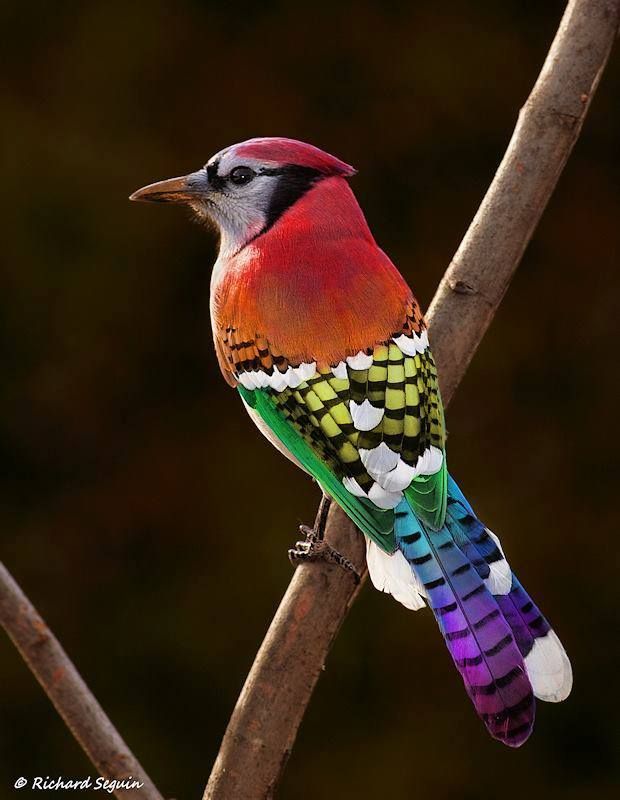 Who Colored These Originally?
In the beginning God created the heaven and the earth. (Genesis 1:1 KJV)
My Bible tells me in Genesis chapter 1 that God created everything, including all our avian wonders.

Blue Jay (Cyanocitta cristata) at Bok Tower By Dan’sPix
In fact, we are told specifically that on the fifth day of creation, God created the Birds:
Then God said, “Let the waters abound with an abundance of living creatures, and let birds fly above the earth across the face of the firmament of the heavens.” So God created great sea creatures and every living thing that moves, with which the waters abounded, according to their kind, and every winged bird according to its kind. And God saw that it was good. And God blessed them, saying, “Be fruitful and multiply, and fill the waters in the seas, and let birds multiply on the earth.” So the evening and the morning were the fifth day. (Genesis 1:20-23 NKJV)
When the birds were brought forth, judging from today, that they were beautifully arrayed. We can look around at the over 10,000 species today, in spite of being corrupted by the curse (Genesis 3), and see that they are magnificently arrayed in beautiful, fantastic colors and hues.
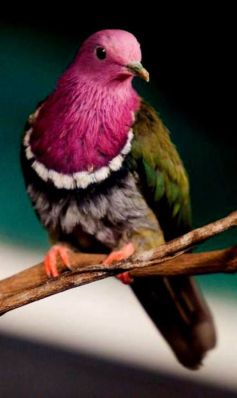
Nicobar Pigeon – Falsely Colored

Nicobar Pigeon at Lower Park Zoo by Dan
Then again in John 1:1-3 we see that the Word, the Lord Jesus Christ, is the one who made them.
In the beginning was the Word, and the Word was with God, and the Word was God. The same was in the beginning with God. All things were made by him; and without him was not any thing made that was made. (John 1:1-3 KJV)
All of that was stated to establish who the birds were created by. Now for the point of this article.
I belong to Pinterest which is a visual discovery tool that you can use to find ideas for all your projects and interests. You can find all kinds of photos and of course, many bird photos.
Now, the irritation, for me, is that lately many photos of birds have been “photo-shopped” or someone has used other editing software programs to change their colors. No harm intended, but the colors they are adding to the birds, messes up the beauty of their Creator’s original design and color for them.
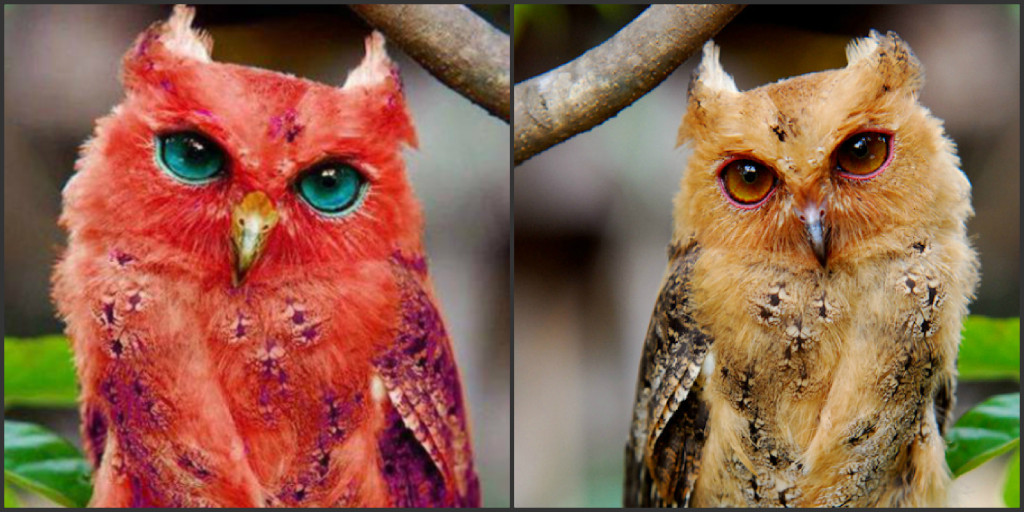
False – A Rare Red Owl – Snopes_com
Some people, who are not familiar with what the birds actually look like, may think that is the way they look in the wild. One such case fooled people into believing that a rare Red Owl actually exist. When the asked “Snopes” they found out the truth.
Two more examples:
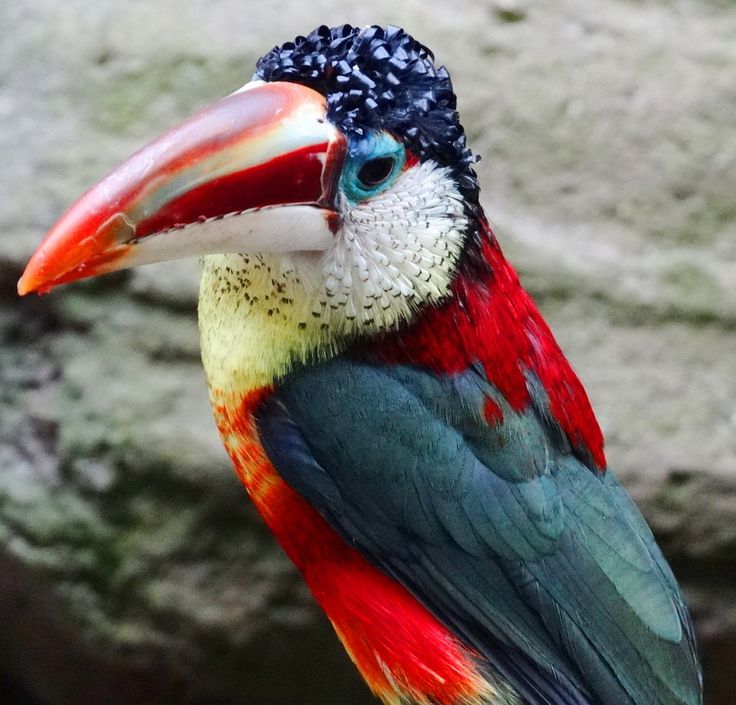
False – Curl-crested Aricari from Pinterest by Virainova
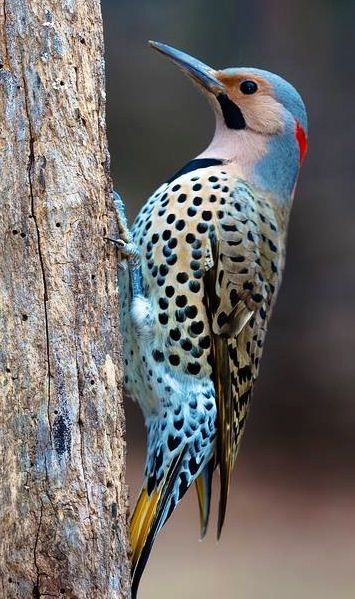
False – Flicker from Pinterest by Spykee
Now for the real birds in nature. Also, do you realize how easy they would be for birds of prey to catch these? They would stand out boldly in the crowd and would be the first captured. Only a Wise Creator, would provide for the safety of the birds by their proper coloration.

Curl-crested Aracari (Pteroglossus beauharnaesii) ©WikiC

Northern Flicker (Colaptes auratus) red-shafted F-left M-right ©WikiC
I know all the birds of the mountains, And the wild beasts of the field are Mine. (Psalms 50:11 NKJV)
Again, I am not condemning those who color their birds in photos, as long as they don’t try to “pass them off” as the “real” bird.
God’s Wisdom, Majesty, and Knowledge cannot be improved upon.
I am the LORD, and there is no other; There is no God besides Me. I will gird you, though you have not known Me, That they may know from the rising of the sun to its setting That there is none besides Me. I am the LORD, and there is no other; I form the light and create darkness, I make peace and create calamity; I, the LORD, do all these things.’ (Isaiah 45:5-7 NKJV)
*

Mourning Dove (Zenaida macroura) by Quy Tran
We will continue on with the Birds of the Bible – Foundation series.
If you have not read the previous blogs:
Foundation #1 Updated
Foundation #2 Updated
In the last blog the “Fall” of Adam and Eve was mentioned and because of that, the “Curse” is now on them and all of God’s creation. Death comes on the scene, mankind now has sinned and now each person is born as a sinner. The ground is cursed and thorns and thistle now appear.
By Genesis Chapter 6, God has had it with the sins of man.
And GOD saw that the wickedness of man was great in the earth, and that every imagination of the thoughts of his heart was only evil continually. And it repented the LORD that he had made man on the earth, and it grieved him at his heart. And the LORD said, I will destroy man whom I have created from the face of the earth; both man, and beast, and the creeping thing, and the fowls of the air; for it repenteth me that I have made them. (Genesis 6:5-7 KJV)

The Ark by Elfred Lee
All is not lost because, “But Noah found grace in the eyes of the LORD.” (Genesis 6:8 KJV) Because of the grace found by Noah, the LORD gives him instructions about how to build an ark including the size, materials to use, who and what will be on board, and why the ark will be needed. God makes a covenant with Noah and tells him to come in with his wife and his sons and his son’s wives.
And of every living thing of all flesh, two of every sort shalt thou bring into the ark, to keep them alive with thee; they shall be male and female. Of fowls after their kind, and of cattle after their kind, of every creeping thing of the earth after his kind, two of every sort shall come unto thee, to keep them alive. (Genesis 6:19-20 KJV)
He was also to provide food for all of them. And Noah obeyed all that he was told. Noah spent over 100 years preparing the ark and trying to warn others of the coming judgment. There was plenty of room on the ark for more than the 8 people who boarded the ark. The others refused to repent.
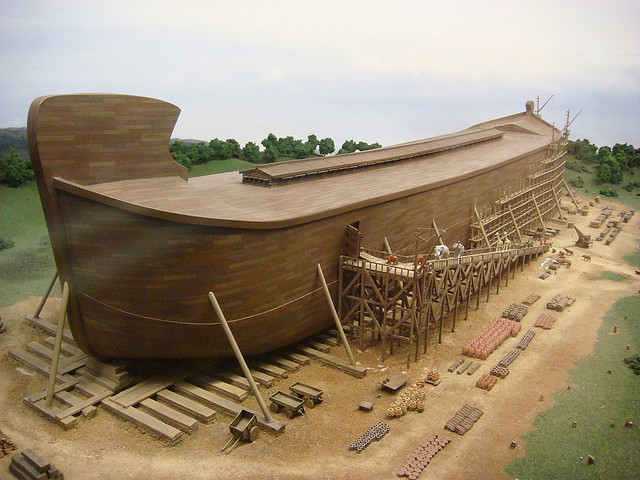
Noah’s Ark ©©Flickr elmada
When we get to Chapter 7, the boarding of the ark takes place and the rain and flood begins. “And the LORD said unto Noah, Come thou and all thy house into the ark; for thee have I seen righteous before me in this generation. Of every clean beast thou shalt take to thee by sevens, the male and his female: and of beasts that are not clean by two, the male and his female. Of fowls also of the air by sevens, the male and the female; to keep seed alive upon the face of all the earth. For yet seven days, and I will cause it to rain upon the earth forty days and forty nights; and every living substance that I have made will I destroy from off the face of the earth. And Noah did according unto all that the LORD commanded him.” (Genesis 7:1-5)
Noah did not have to round up the animals, they came to him. Because not every animal we see today came on board but the main kinds (for instance the “bird kinds” may have had a “warbler kind” but not have black and white warblers, yellow-rumped warblers, hooded warbler, etc.), which ever ones they were, there was plenty of room for them. I have an idea that because the LORD sent the animals, birds, and critters, that their DNA’s were of the highest quality. (That is my opinion)

Doves in Israel
If you read the rest of Genesis 7, you will see that the global flood came and covered everything and only those who were in the ark survived, plus some of those that live in the water.
And all flesh died that moved upon the earth, both of fowl, and of cattle, and of beast, and of every creeping thing that creepeth upon the earth, and every man: All in whose nostrils was the breath of life, of all that was in the dry land, died. And every living substance was destroyed which was upon the face of the ground, both man, and cattle, and the creeping things, and the fowl of the heaven; and they were destroyed from the earth: and Noah only remained alive, and they that were with him in the ark. (Genesis 7:21-23)
In Foundation #4 we will find out about what the birds go through as they come off the ark and after.
*


 Birds of the Bible For Kids