
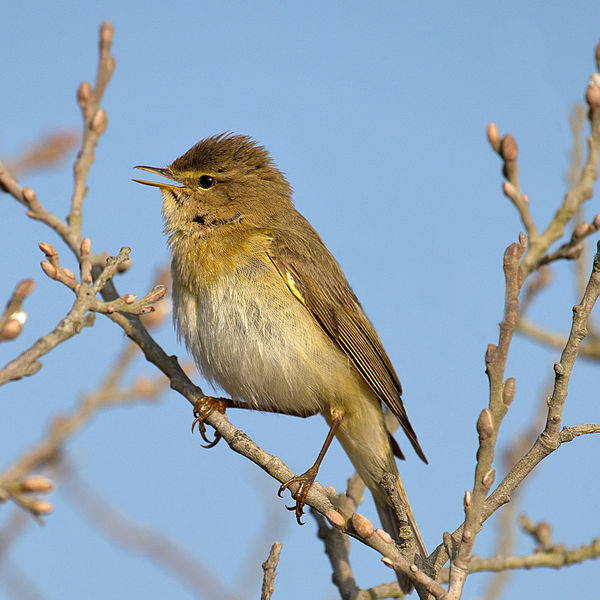
Willow Warbler (Phylloscopus trochilus) ©WikiC
An article in the latest issue of Answers in Genesis Magazine, “As The Bird Flies,”, p.20, tells about the Willow Warbler. This little bird weighs only “0.4 ounce (10 g) … and migrate more than 8,000 miles (13,000 km) from eastern Siberia to Kenya and Tanzania in Africa.”
The article goes on to tell how much research has been done with this bird and its migratory habits. The internet has many articles about this fantastic avian wonder from the Lord.
“All populations are highly migratory, with the subspecies P. t. yakutensis migrating up to 12,000 km from eastern Siberia to southern Africa along the Asian – East African Flyway, one of the longest migrations of any for a bird of its size. Approximate timings are:
October to March: wintering in sub Saharan Africa.
Mid March to mid May: migrates and arrives in the breeding range.
Late April to August: breeding season, usually only one brood but rarely two.
August to October: migrates back to Africa.” [Wikipedia – Willow Warbler]
Answers article continues with this remark: “Their surprisingly complex navigational abilities showcase the Creator’s ingenious design”
They then challenge those who sort of believe in creation, but the flood gives them problems. Many only believe in a “Local Flood.” My take on this and theirs is: Why Get In The Ark When You Can Fly? “Why couldn’t the animals just leave the area instead of getting on a ship, especially if a bird that weights less than a few paper clips can trave more than 8,000 miles?”
“In the selfsame day entered Noah, and Shem, and Ham, and Japheth, the sons of Noah, and Noah’s wife, and the three wives of his sons with them, into the ark; They, and every beast after his kind, and all the cattle after their kind, and every creeping thing that creepeth upon the earth after his kind, and every fowl after his kind, every bird of every sort.” (Genesis 7:13-14 KJV)
“And the waters prevailed exceedingly upon the earth; and all the high hills, that were under the whole heaven, were covered. Fifteen cubits upward did the waters prevail; and the mountains were covered. And all flesh died that moved upon the earth, both of fowl, and of cattle, and of beast, and of every creeping thing that creepeth upon the earth, and every man: All in whose nostrils was the breath of life, of all that was in the dry land, died. And every living substance was destroyed which was upon the face of the ground, both man, and cattle, and the creeping things, and the fowl of the heaven; and they were destroyed from the earth: and Noah only remained alive, and they that were with him in the ark.” (Genesis 7:19-23 KJV)


 In November 1963, an undersea volcano close to Iceland began to erupt. Emerging lava caused the sea to boil and steam. Gradually, the volcano began to appear above the waves. The eruption continued for three and a half years, causing a new island to emerge, one square mile in area and elevations of 560 feet above the surf. Of course, in the half century since the birth of this new island, erosion has reduced it somewhat – to a mere 506 feet above the sea and an area of only 0.54 square miles.


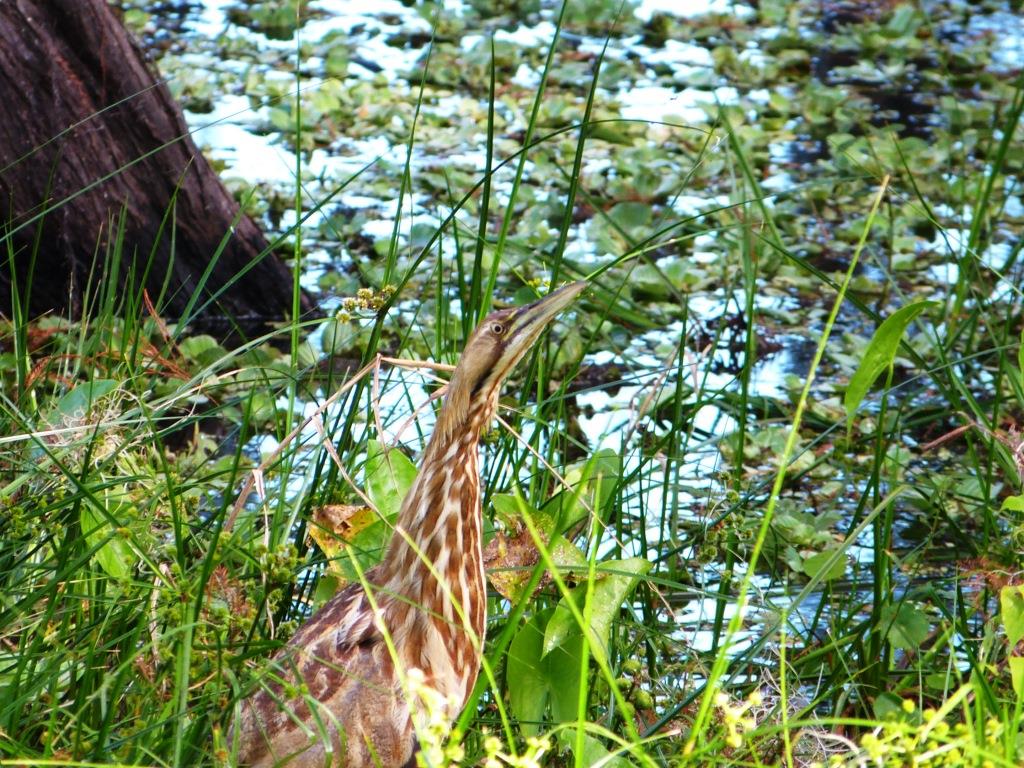



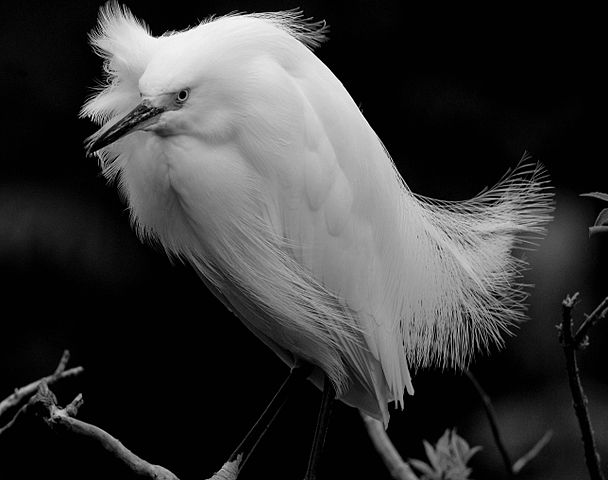
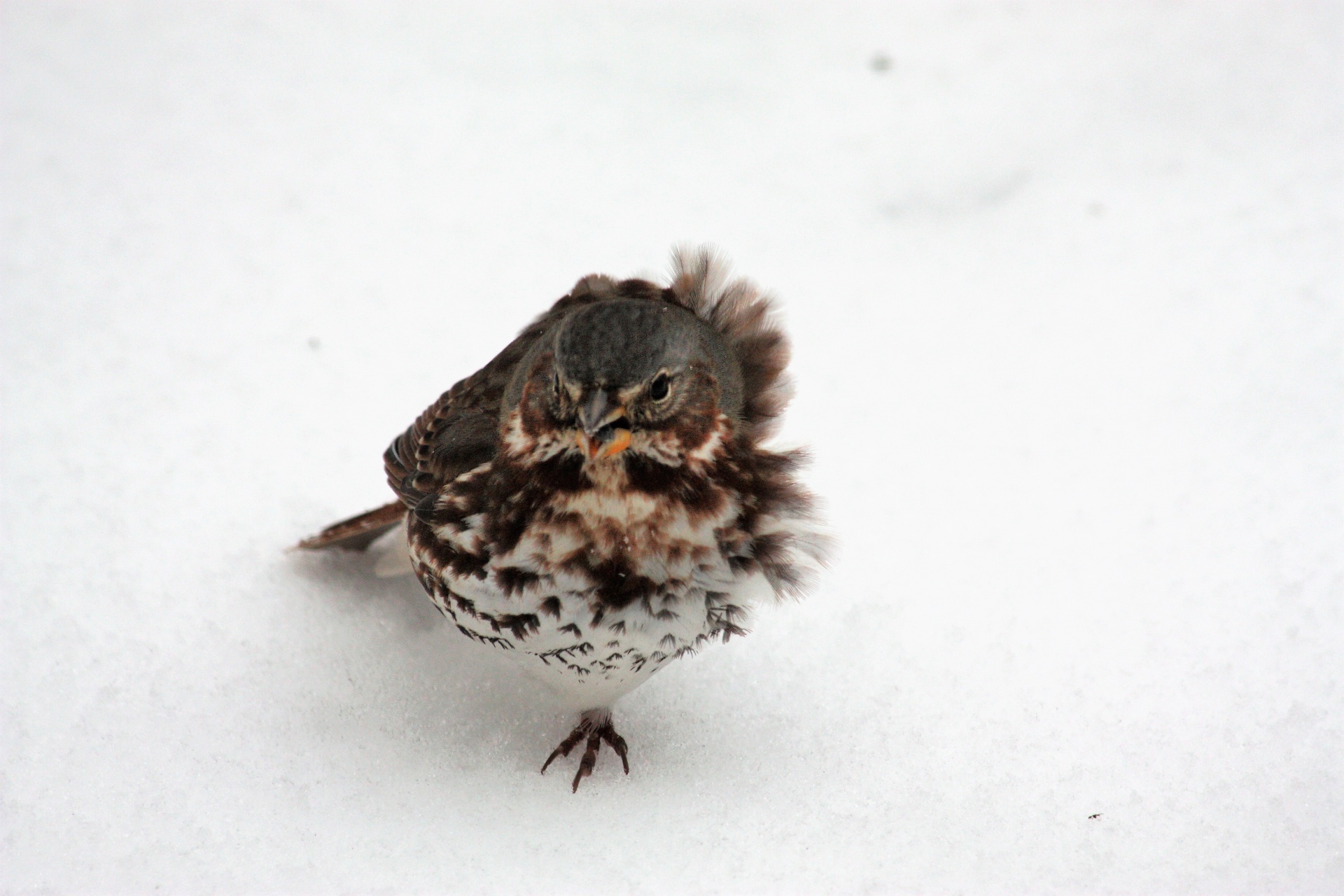
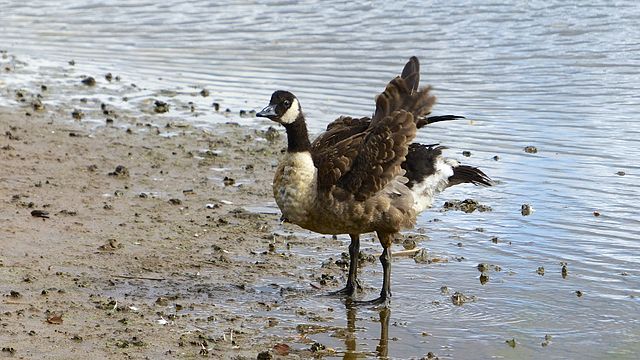
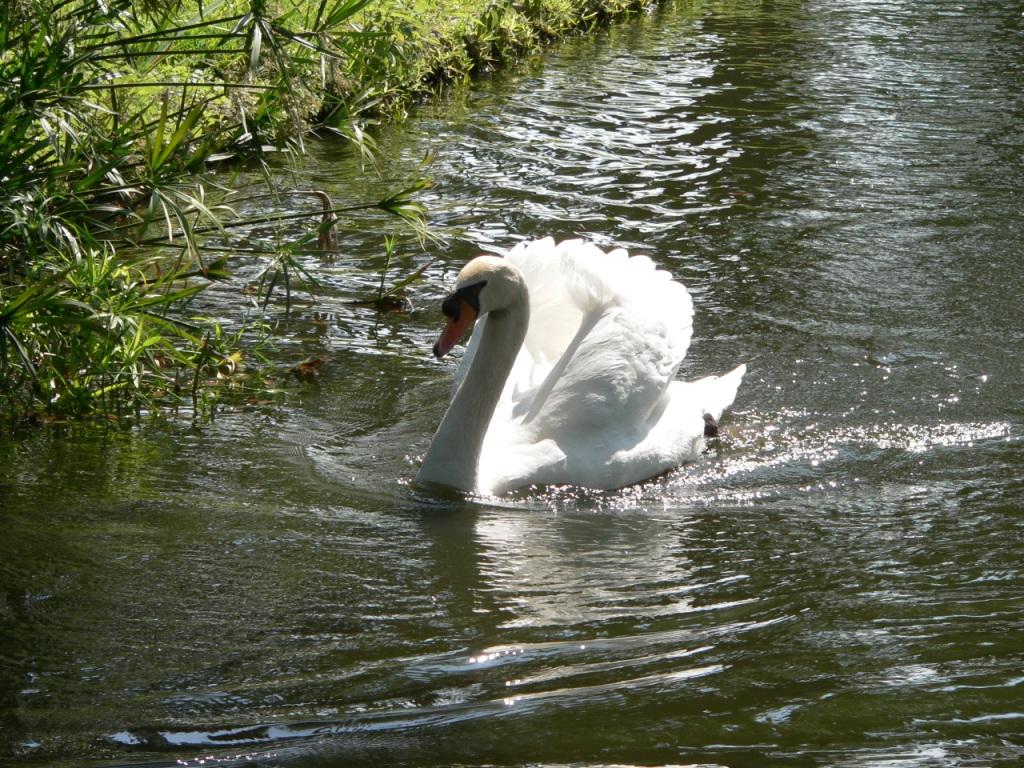

 On the fifth day of the Creation Week, God created swarms of sea creatures. He also created flying creatures. In Genesis 1:20, God says: “Let birds fly above the earth across the expanse of the heavens.” The birds were not, in fact, in the firmament. When the KJV translates the phrase as “in the open firmament”, the word open reminds us that the birds are simply seen against the background of the firmament, and are not in it. We heard in the previous Creation Moment that God created whole swarms of sea creatures. It could also be assumed that He created a very large variety of flying creatures.


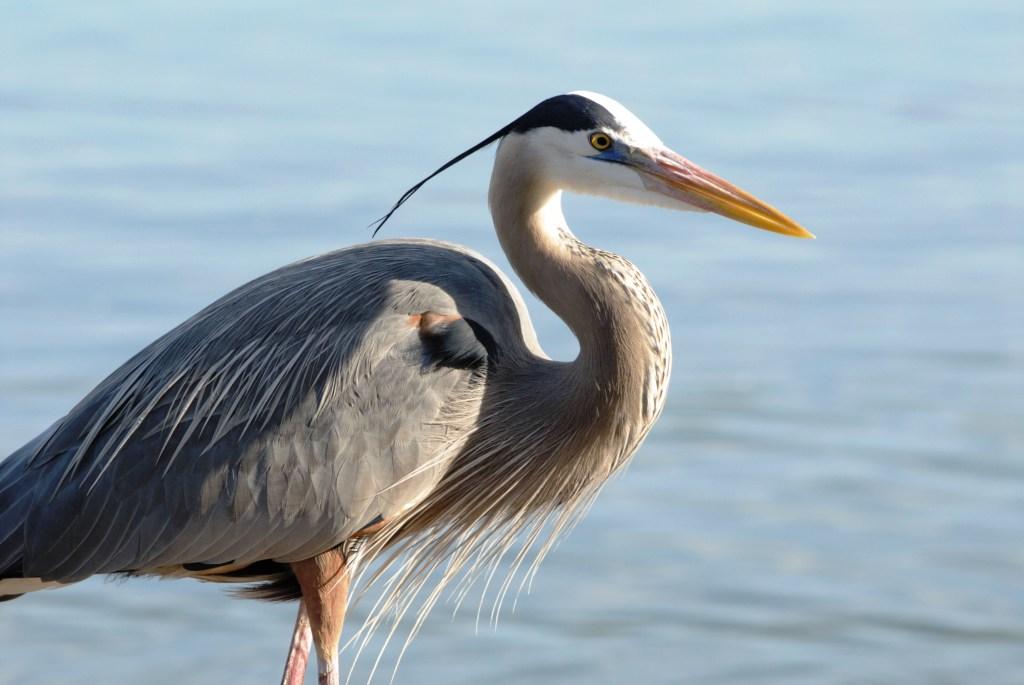


 Birds of the Bible For Kids