
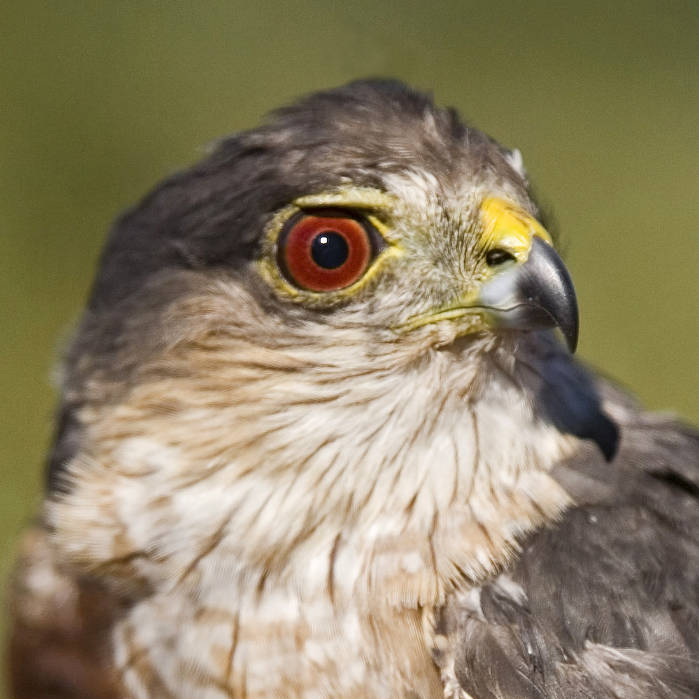
Sharp-shinned Hawk (Accipiter striatus) ©USFWS
Is it by your understanding that the hawk soars and spreads his wings toward the south? (Job 39:26 ESV)
Sharp-shinned Hawk (Accipiter striatus) ©USFWS
Is it by your understanding that the hawk soars and spreads his wings toward the south? (Job 39:26 ESV)

Swallow-tailed Kite by S Slayton
and the red kite, the falcon, and the kite in their kinds, (Deuteronomy 14:13 NASB)

Eared Dove (Zenaida auriculata) by Robert Scanlon
Also he sent forth a dove from him, to see if the waters were abated from off the face of the ground; (Genesis 8:8 KJV)
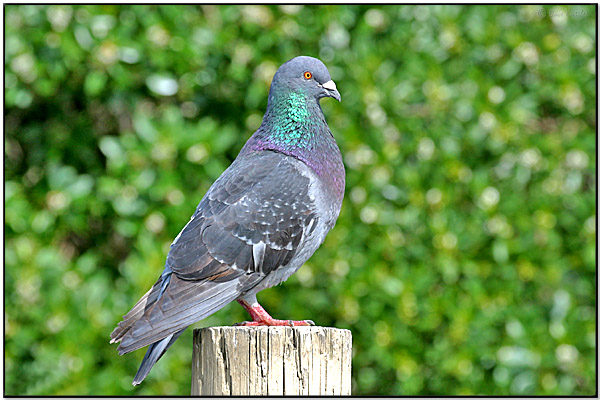
Common Pigeon -aka Rock(Columba livia) by Daves BirdingPix
Bible Birds – Dove, Turtledove and Pigeon’s Introduction

Giant Fruit Bat at Cincinnati Zoo by Dan
And the stork, the heron after her kind, and the lapwing, and the bat. All fowls that creep, going upon all four, shall be an abomination unto you. Yet these may ye eat of every flying creeping thing that goeth upon all four, which have legs above their feet, to leap withal upon the earth; Even these of them ye may eat; the locust after his kind, and the bald locust after his kind, and the beetle after his kind, and the grasshopper after his kind. But all other flying creeping things, which have four feet, shall be an abomination unto you.
(Leviticus 11:19-23 KJV)
While we were at the Cincinnati Zoo, we were able to see and photograph several Bat species. They were really cool and I wanted to share them with you.

Giant Fruit Bat at Cincinnati Zoo by Lee
Then I remembered that I had written about them in Birds of the Bible – The Bat?, in 2010. That article was about the controversy over whether a Bat is a Bird. This time, I am mainly sharing the photos of the Bats that are there at the Zoo and comments about them. Just one personal observation about the above verses. The use of “fowl” in the King James Version and some of the others seems to refer to any creature that had wings and flies. I quoted the whole context because; 1) The verse and chapter separations were inserted later, 2) Birds, bats, and insects all seem to be referred to with the same collective term, “fowl.” I do not have a problem with the bat. It is not a bird.
The only other verses using “bat” or “bats” are:
And the stork, and the heron after her kind, and the lapwing, and the bat. (Deuteronomy 14:18 KJV)
In that day a man shall cast his idols of silver, and his idols of gold, which they made each one for himself to worship, to the moles and to the bats; (Isaiah 2:20 KJV)
The bats we saw at the Cincinnati Zoo were the Giant Fruit Bats and the Vampire Bats. They are amazing creatures of design and creation from their Creator, the Lord.
*

Giant Fruit Bat’s Foot amazed me
Giant Fruit Bat (Pteropus giganteus) or Indian Flying Fox is found in Bangladesh, China, India, the Maldives, Nepal, Pakistan, and Sri Lanka. Also known as the greater Indian fruit bat, it lives in mainly forests. It is a very large bat with a wingspan between 3 ft 10 in and 4 ft 10 in (1.2 and 1.5 m). It is nocturnal and feeds mainly on ripe fruits, such as mangoes and bananas, and nectar. This bat is gregarious and lives in colonies which can number a few hundred. Their offspring have no specific name besides ‘young’. They have one to two young.
The Indian flying fox lives in tropical forests and swamps, where a large body of water is nearby.
The way they were hanging up there amazed me. I zoomed in and took a photo of its foot. Also, they almost looked like a large cocoon hanging up there with the wings wrapper around them. The first photo, Dan caught one of them stretching.
*
*

Common Vampire Bat Cincinnati Zoo by Lee (Shot through glass into a dark exhibit)
(Common) Vampire Bat (Desmodus rotundus) – The common vampire bat mainly feeds on the blood of livestock, approaching its prey at night while they are sleeping. It uses its razor-sharp teeth to cut open the skin of its hosts and laps up their blood with its long tongue. They are native to the New World, ranging from Mexico to Brazil, Chile, and Argentina.
The common vampire bat is short-haired, with silver-gray fur on its undersides, sharply separated from the darker fur on its back. It has small, somewhat rounded ears, a deeply grooved lower lip, and a flat, leaf-shaped nose. A well-developed, clawed thumb on each wing is used to climb onto prey and to assist the animal in take-off. The bat averages about 3.5 in (9 cm) long with a wingspan of 7 in (18 cm). It commonly weighs about 2 oz (57 grams), but its weight can double after a single feeding. The braincase is relatively large, but the snout is reduced to accommodate large incisors and canines. It has the fewest teeth among bats.

Common Vampire Bat – Cincinnati Zoo by Lee
Common vampire bats have good eyesight. They are able to distinguish different optical patterns and may use vision for long-range orientation. These bats also have well-developed senses of smell and hearing: the cochlea (ear) is highly sensitive to low-frequency sounds, and the nasal passages are relatively large. They emit echolocation signals orally, and thus fly with their mouths open for navigation.

Common Vampire Bat – Cincinnati Zoo by Lee
*
(Wikipedia with editing)
*
*
Links:
Giant Fruit Bats – Cincinnati Zoo
Indian Flying Fox – Wikipedia
Vampire Bats – Cincinnati Zoo
Common Vampire Bat – Wikipedia
*
I trust you enjoy Deuteronomy 14:11-18 with pictures.
*
I trust you like my effort to use the Slideshow this way.

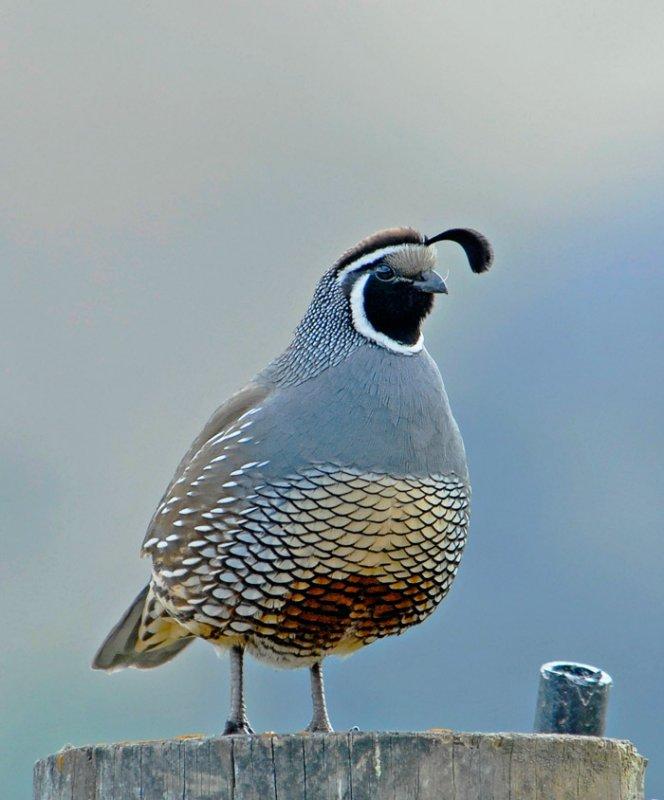


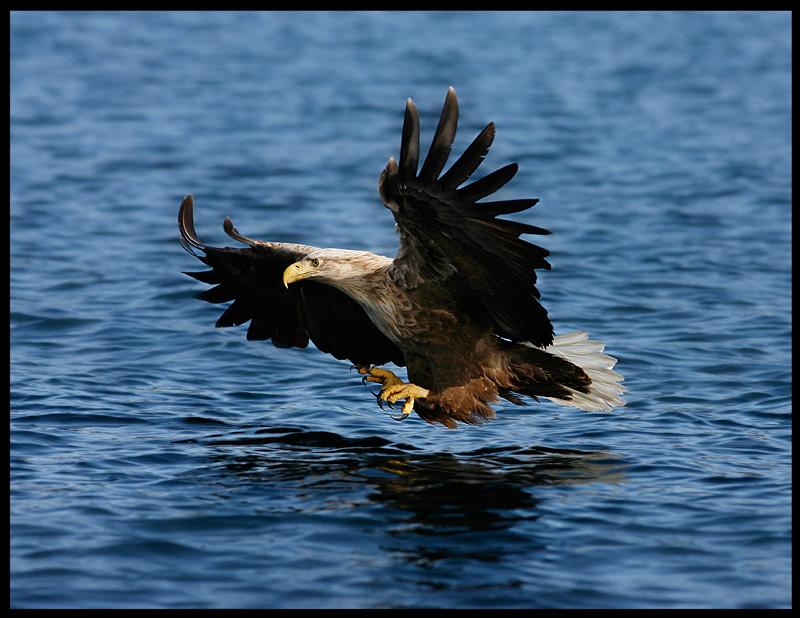

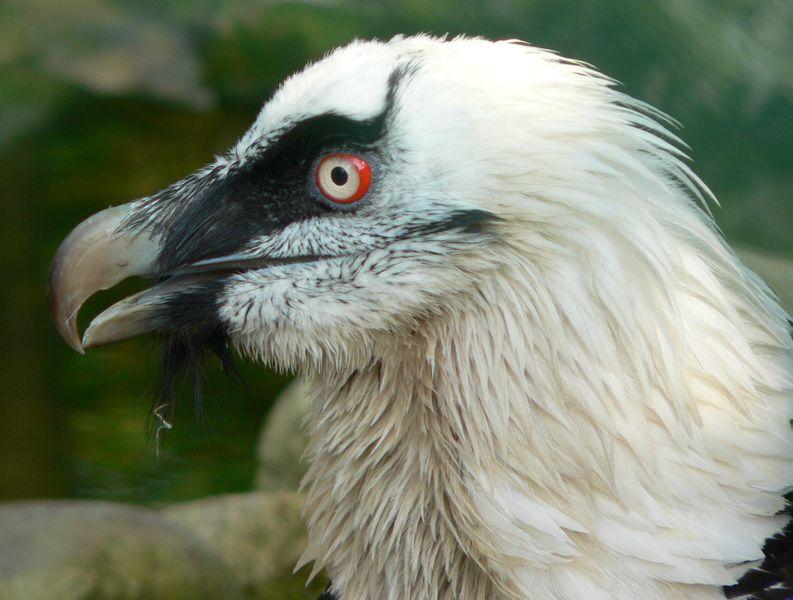


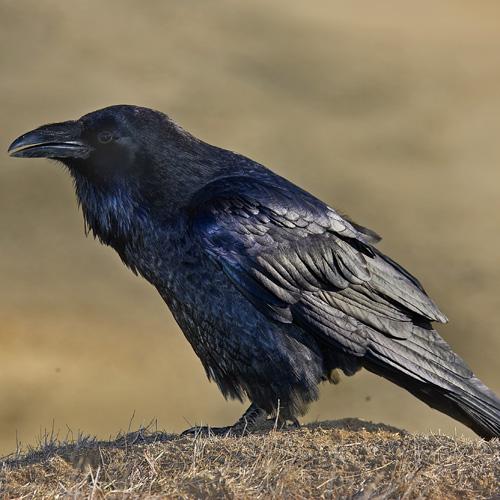
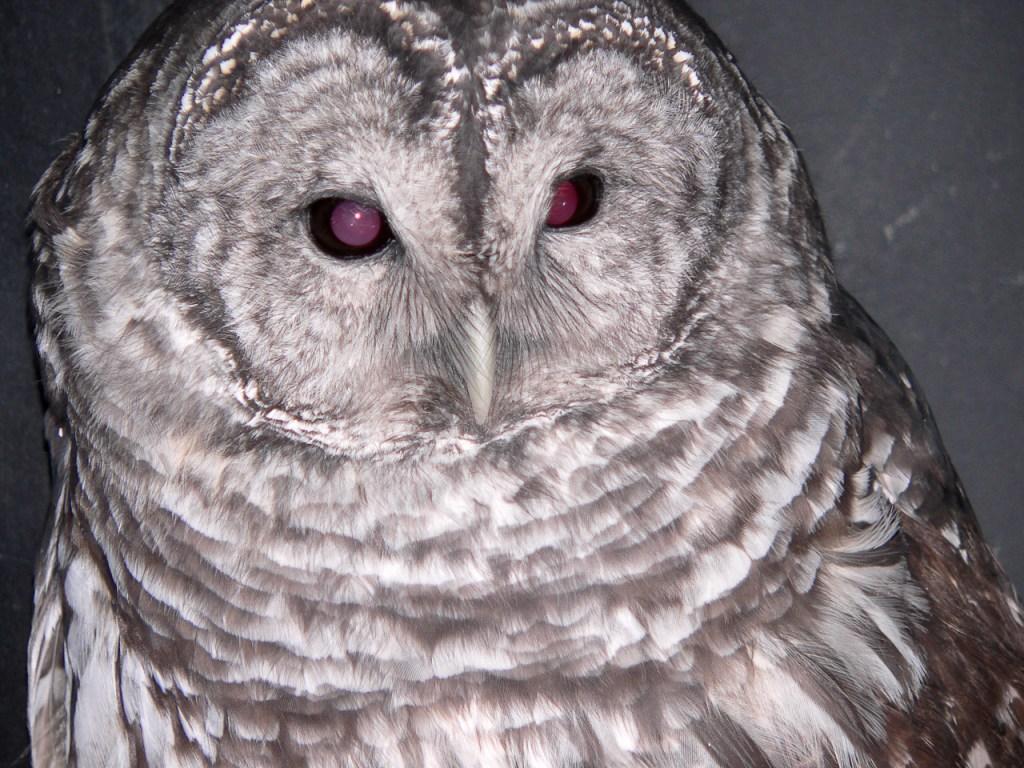


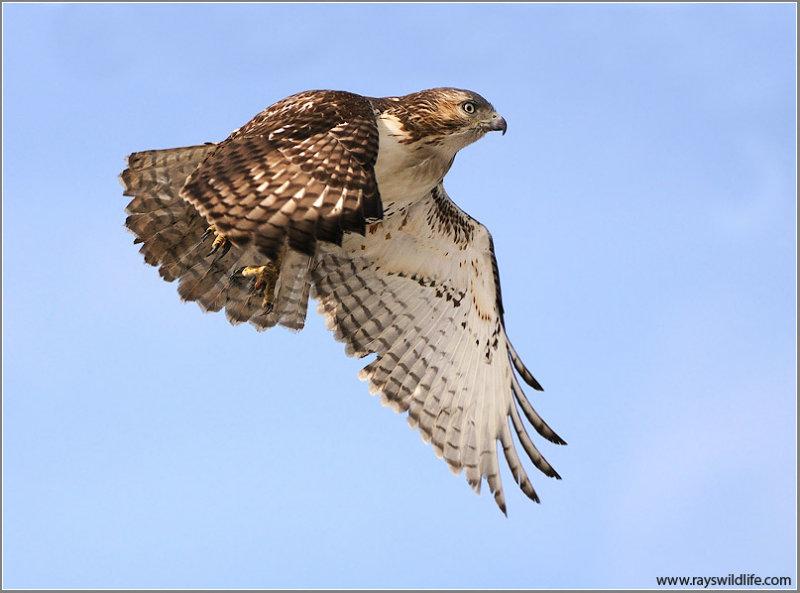


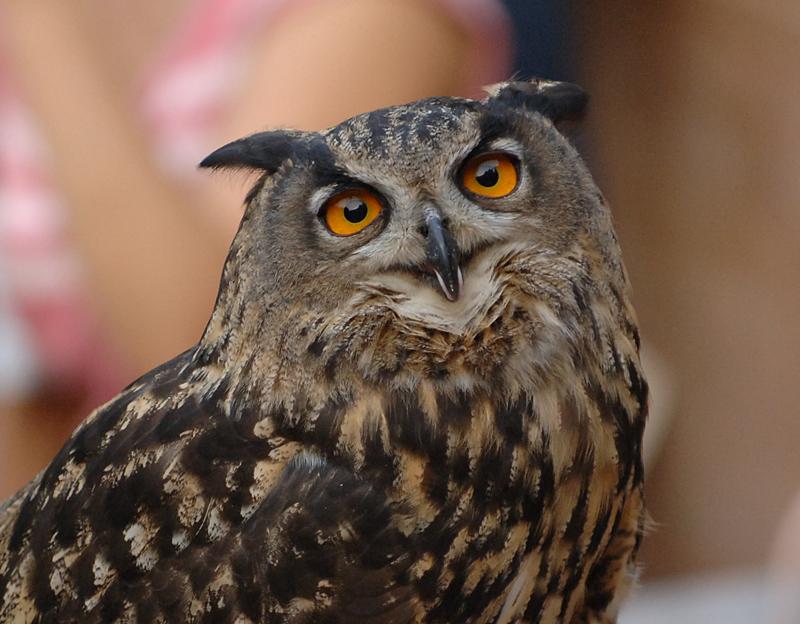


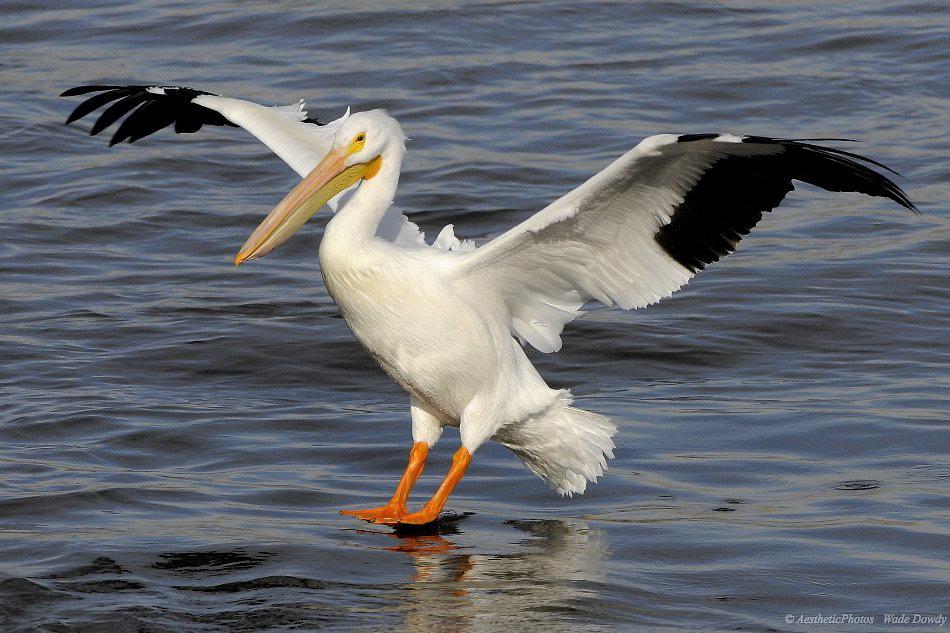






KJV
Most photos were provided by permission of the photographers in the sidebar.
Deuteronomy 14:11-18 KJV
(11) Of all clean birds ye shall eat.
(12) But these are they of which ye shall not eat: the eagle, and the ossifrage, and the ospray,
(13) And the glede, and the kite, and the vulture after his kind,
(14) And every raven after his kind,
(15) And the owl, and the night hawk, and the cuckow, and the hawk after his kind,
(16) The little owl, and the great owl, and the swan,
(17) And the pelican, and the gier eagle, and the cormorant,
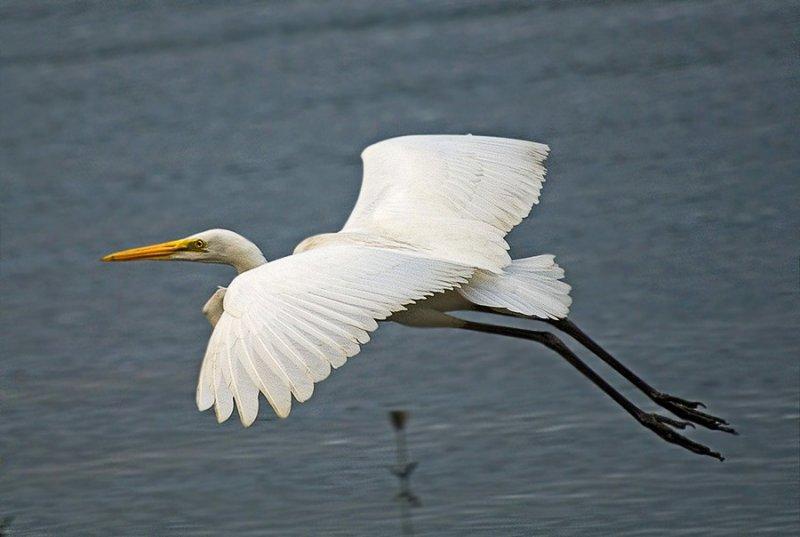
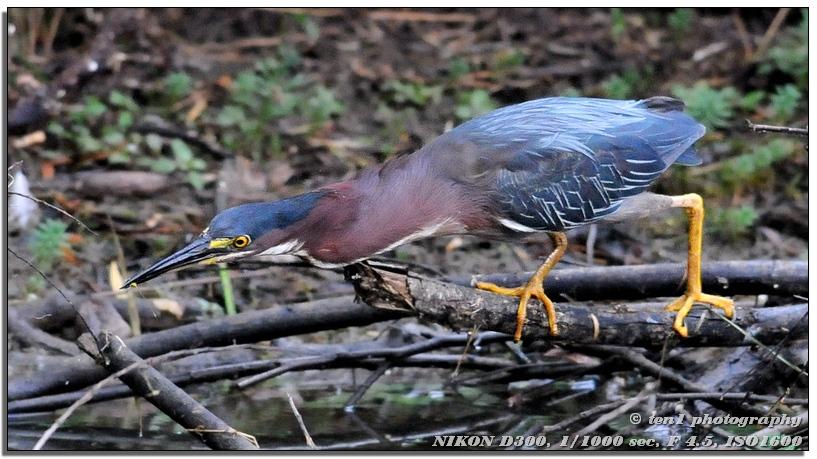
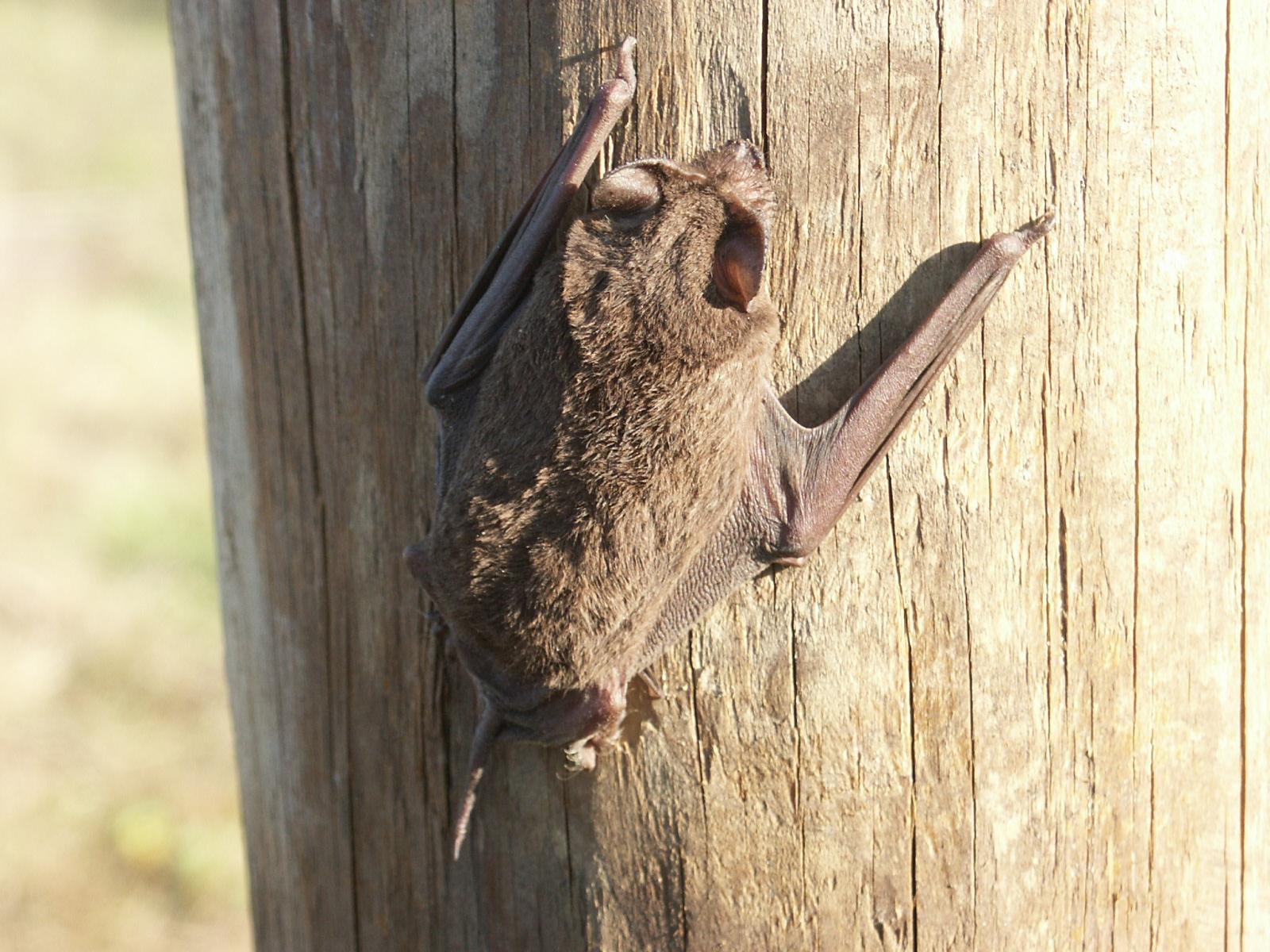
(18) And the stork, and the heron after her kind, and the lapwing, and the bat.
*
Vol. 2 – 6 The Mountain Bluebird, which is from the Kid’s Section, had some Bluebirds skip out and break their links. They were too pretty to let them get away.
The Birds Illustrated by Color Photography – Revisited has some very interesting information about birds, but written from a young reader’s level. Here is the Mountain Bluebird reblogged with some added information and the Bluebirds back on their posts.
This was written back in 2013. Trust you enjoy this article and links to other Bluebird articles.
***

Mountain Bluebird (Sialia currucoides) for Birds Illustrated
From col. Chi. Acad. Sciences. Copyrighted by
Nature Study Pub. Co., 1897, Chicago.

N an early number of Birds we presented a picture of the common Bluebird, which has been much admired. The mountain Bluebird, whose beauty is thought to excel that of his cousin, is probably known to few of our readers who live east of the Rocky Mountain region, though he is a common winter sojourner in the western part of Kansas, beginning to arrive there the last of September, and leaving in March and April. The habits of these birds of the central regions are very similar to those of the eastern, but more wary and silent. Even their love song is said to be less loud and musical. It is a rather feeble, plaintive, monotonous warble, and their chirp and twittering notes are weak. They subsist upon the cedar berries, seeds of plants, grasshoppers, beetles, and the like, which they pick up largely upon the ground, and occasionally scratch for among the leaves. During the fall and winter they visit the plains and valleys, and are usually met with in small flocks, until the mating season.
Nests of the Mountain Bluebird have been found in New Mexico and Colorado, from the foothills to near timber line, usually in deserted Woodpecker holes, natural cavities in trees, fissures in the sides of steep rocky cliffs, and, in the settlements, in suitable locations about and in the adobe buildings. In settled portions of the west it nests in the cornice of buildings, under the eaves of porches, in the nooks and corners of barns and outhouses, and in boxes provided for its occupation. Prof. Ridgway found the Rocky Mountain Bluebird nesting in Virginia City, Nevada, in June. The nests were composed almost entirely of dry grass. In some sections, however, the inner bark of the cedar enters largely into their composition. The eggs are usually five, of a pale greenish-blue.
The females of this species are distinguished by a greener blue color and longer wings, and this bird is often called the Arctic Bluebird. It is emphatically a bird of the mountains, its visits to the lower portions of the country being mainly during winter.
Heaped in the hollows of the grove, the autumn leaves lie dead;
They rustle to the eddying gust, and to the rabbits’ tread.
The Robin and the Wren are flown, and from the shrubs the Jay,
And from the wood-top calls the Crow all through the gloomy day.
—Bryant.
Summary:
MOUNTAIN BLUEBIRD.—Sialia arctica. Other names: “Rocky Mountain” and “Arctic Bluebird.”
Range—Rocky Mountain region, north to Great Slave Lake, south to Mexico, west to the higher mountain ranges along the Pacific.
Nest—Placed in deserted Woodpecker holes, natural cavities of trees, nooks and corners of barns and outhouses; composed of dry grass.
Eggs—Commonly five, of pale, plain greenish blue.

Mountain Bluebird (Sialia currucoides) by Daves BirdingPix
Lee’s Addition:
…In the LORD put I my trust: how say ye to my soul, Flee as a bird to your mountain? … If the foundations be destroyed, what can the righteous do? The LORD is in his holy temple, the LORD’S throne is in heaven: his eyes behold, his eyelids try, the children of men. … For the righteous LORD loveth righteousness; his countenance doth behold the upright.
(Psalms 11:1,3,4,7 KJV)
The Mountain Bluebird belongs to the Turdidae – Thrushes Family and as such have Thrush characteristics. Since blue is my favorite color, the bluebirds are some of my favorites. The Lord has used such variety in His coloration, that I am happy that blue was one of them. We have also the Eastern and Western Bluebirds plus the Asian and Philippine Fairy-bluebirds.
The Mountain Bluebird (Sialia currucoides) is a medium-sized bird weighing about 1.1 ounces (30 g) with a length from 6.3–7.9 in (16–20 cm). They have light underbellies and black eyes. Adult males have thin bills that are bright turquoise-blue and somewhat lighter beneath. Adult females have duller blue wings and tail, grey breast, grey crown, throat and back. In fresh fall plumage, the female’s throat and breast are tinged with red-orange; brownish near the flank contrasting with white tail underparts. Call is a thin few; Song is warbled high chur chur.
The mountain bluebird is migratory. Their range varies from Mexico in the winter to as far north as Alaska, throughout the western U.S. and Canada. Northern birds migrate to the southern parts of the range; southern birds are often permanent residents. Some birds may move to lower elevations in winter. They inhabit open rangelands, meadows, generally at elevations above 5,000 feet. Contrary to popular belief, mountain bluebirds are not a species of concern in the United States. The turn around in mountain bluebird numbers is due to the overwhelming efforts of landowners in the West to provide nest boxes for these birds. At one time, mountain bluebird numbers were threatened because of increased agricultural activities destroying habitats.
These birds hover over the ground and fly down to catch insects, also flying from a perch to catch them. They mainly eat insects, over 90%, and berries. They may forage in flocks in winter, when they mainly eat grasshoppers. Mountain bluebirds will come to a platform feeder with live meal worms, berries, or peanuts.

Mountain Bluebird (Sialia currucoides) by Ian Montgomery nest
Their breeding habitat is open country across western North America, including mountain areas, as far north as Alaska. They nest in pre-existing cavities or in nest boxes. In remote areas, these birds are less affected by competition for natural nesting locations than other bluebirds. Mountain bluebirds are a monogamous breed. The male can be seen singing from bare branches. The singing takes place right at dawn, just when the sun rises. Females usually build the nests themselves. Eggs: pale blue and unmarked, sometimes white. Clutch Size: 4-5 eggs. Young are naked and helpless at hatching and may have some down. Incubation normally last 14 days and the young will take about 21 days before they leave the nest. Both males and females fiercely protect the nest.
It is the state bird of Idaho and Nevada.
Mountain bluebirds are cavity nesters and can become very partial to a nest box, especially if they have successfully raised a clutch. They may even re-use the same nest, though not always. Providing nest boxes is a great way to observe these beautiful birds. Mountain bluebirds will not abandon a nest if human activity is detected close by or at the nest. Because of this, mountain bluebirds can be easily banded while they are still in the nest.

Mountain Bluebird (Sialia currucoides) by Margaret Sloan
*

Mountain Bluebird (Sialia currucoides) by Ian Montgomery
Birds Illustrated by Color Photography – Revisited
The above article is an article in the monthly serial for October 1897 “designed to promote Knowledge of Bird-Live.” These include Color Photography, as they call them, today they are drawings. There are at least three Volumes that have been digitized by Project Gutenberg.
To see the whole series of – Birds Illustrated by Color Photography – Revisited
*
(Information from Wikipedia and other internet sources, with editing)
Next Article – The English Sparrow
The Previous Article – The Ornithological Congress
Links:
*
Gold – Heaven
This GOLD reminds us of Heaven. The Bible tells us Heaven has a street of gold! But the best part about Heaven is that God, who created you and me, lives there. The Bible, God’s Word, says: “God so loved the world that He gave His only begotten Son, that whosoever believeth in Him should not perish but have everlasting life.” — John 3:16 Jesus, God the Son, is in Heaven preparing a place for all who put their trust in Him. (John 14:2-3) God is holy and perfect. He cannot allow anything in Heaven that is less than perfect, so there’s one thing that can never be in Heaven. Can you think of what that might be?

Black/Dark – Sin
It is sin! That is what this DARK reminds us of. Sin is anything you think, say, or do that does not please God, like lying, cheating, being selfish, or hurting others. The Bible says: “All have sinned and come short of the glory of God.” — Romans 3:23 That means everyone, big or little, young or old! No matter where you live or who you are, you have sinned. Everyone is born with a “want to” to do wrong. God says that sin must be punished (Romans 6:23), and the punishment for sin is to be separated from God forever in a place of suffering….a place called Hell. But God has a wonderful plan so that you will not have to be punished for your sin!
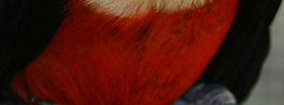
Red – Jesus’ Blood
God sent Jesus Christ, His perfect Son, to be born as a little baby. Jesus lived a perfect life….He never sinned. When He was grown, wicked men nailed Him to a cross. The bird’s RED reminds us of Jesus’ blood. The Bible says that without the giving of blood there can be no forgiveness of sin (Hebrews 9:22). So Jesus Christ willingly died to take your sin punishment. “…Christ died for our sins according to the Scriptures; and that He was buried, and that He rose again the third day, according to the Scriptures.“— 1 Corinthians 15:3-4 Now, because of what Jesus has done for you, you can have your sins forgiven. Read on to see how!
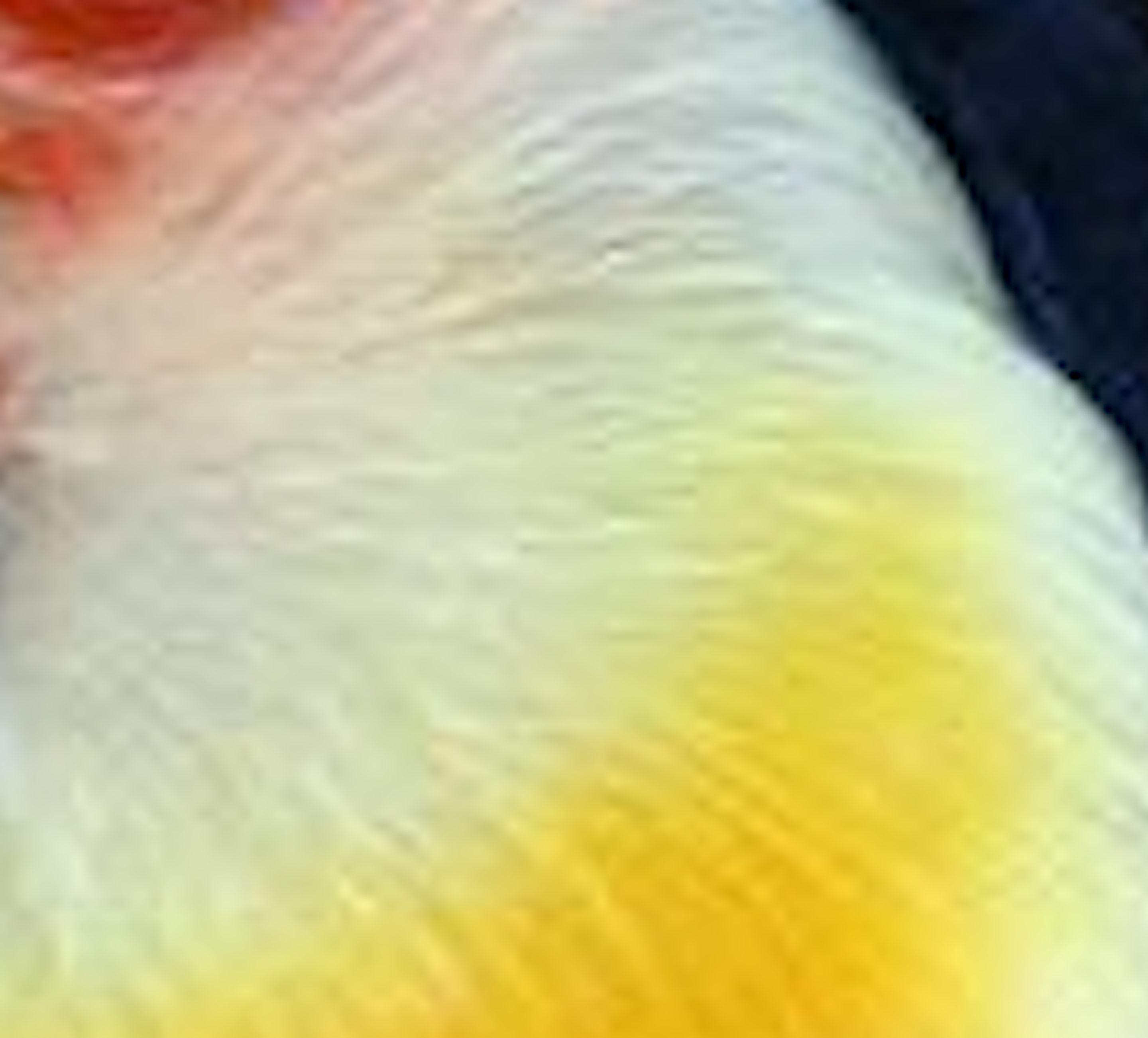
White – Heaven
The Bible says: “As many as received Him, to them gave He power to become the sons of God, even to them that believed on His name.” — John 1:12 The WHITE reminds us of a CLEAN heart. How can you have a clean heart? A = Admit to God you are a sinner and want to turn away from those sins. B = Believe in Jesus Christ, that He is God’s perfect Son who died for your sin, was buried, and rose again. C = Call on Him to save you from your sin. Would you like to do that right now? He has promised to hear, and once you are His child, He will never leave you (Hebrews 13:5). Take a moment and talk to God right now. It will change your life forever. Only one more color! What can it mean?
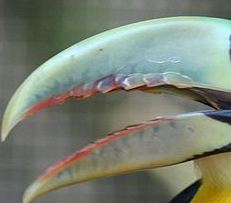
Green – Grow
The GREEN stands for things that grow. When you ask God to forgive you and save you, you become His child. God wants you to get to know Him better and to grow to become more like Him. These four things will help you grow:
1. PRAY (talk to God every day)
2. READ & OBEY THE BIBLE (to know what He says, then do it)
3. TELL OTHERS ABOUT JESUS
4. GO TO A BIBLE-BELIEVING CHURCH (where you can learn more about pleasing Him)
As a child of God, if you should sin again, stop and tell Him about it. He promises in His Word… “If we confess our sins, He is faithful and just to forgive us our sins and to cleanse us from all unrighteousness.” — 1 John 1:9 Ask God to help you live a life to please Him! Share the Good News of this story with someone else.
The Wordless Book has been used for many years by CEF (Child Evangelism Fellowship). These words are from CEF.

Our Wordless Toucan
*

Green-billed Toucan (Ramphastos dicolorus) by Dario Sanches
*
A friend shared with me about someone who uses the Toucan to teach the “Wordless Book.”
Other Wordless Birds:
Wordless Birds – With Hummingbirds
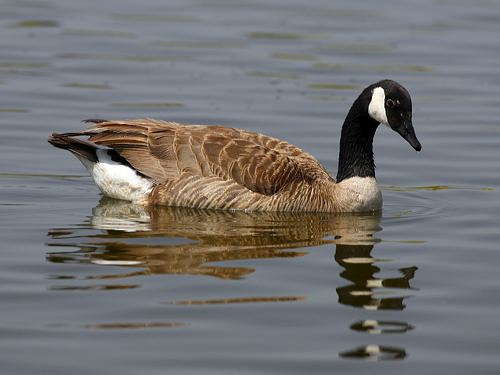
Canada Goose (Branta canadensis) by Ian
~ by Emma Foster
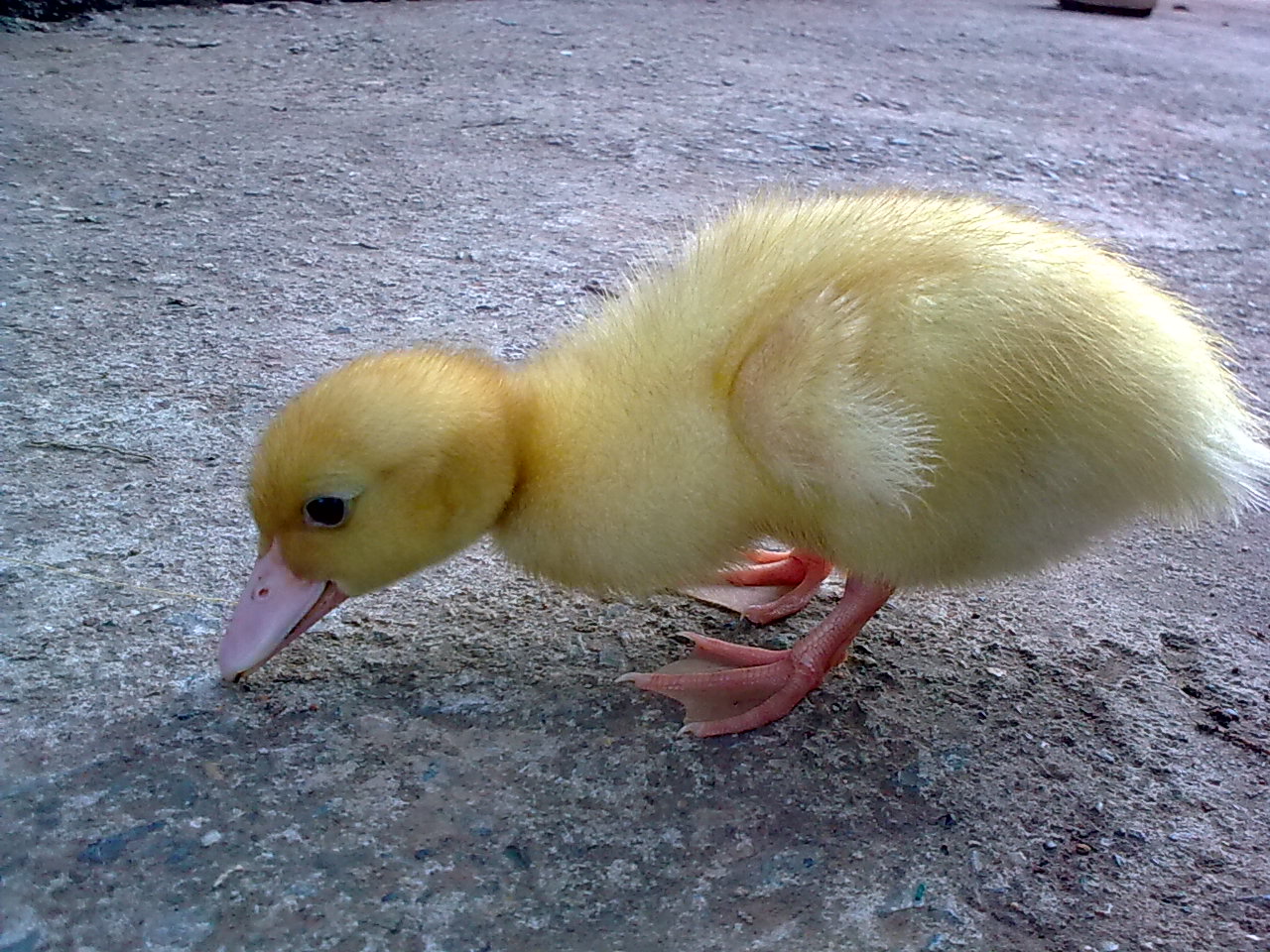
Pecking duckling ©WikiC
“How queer, my child! what a long, broad mouth you have, and what peculiar feet!”
It was my mother, a big brown hen, who spoke. I had stepped from my egg, only a short while before, and as I was the only one hatched out of the whole thirteen, my poor mother was greatly disappointed.
Now, to add to her troubles, there seemed to be something very peculiar about my appearance.
“Yes,” she went on still watching me critically, “I have raised many families, but never a chick like you. Well! well! don’t cry about it. Your yellow dress is very pretty. It doesn’t pay to be too sensitive, as you will find, I am afraid, when you have lived with these chickens. Some of them are dreadfully trying. Dear! dear! how stiff I am! This setting is tiresome work.”
“I wonder what sort of home we are going to have.”
Our home, into which we moved a few hours later, proved to be an upturned soap box. Seven little chickens were there before us.
“The same old story,” said my mother with a knowing air. “People imagine we hens have no sense. I did not hatch those chickens, but I am expected to care for them, as though I did. Some mothers would peck them so they would be glad to stay away.”
She had too good a heart for this, however, and I was very glad to have these brothers and sisters.
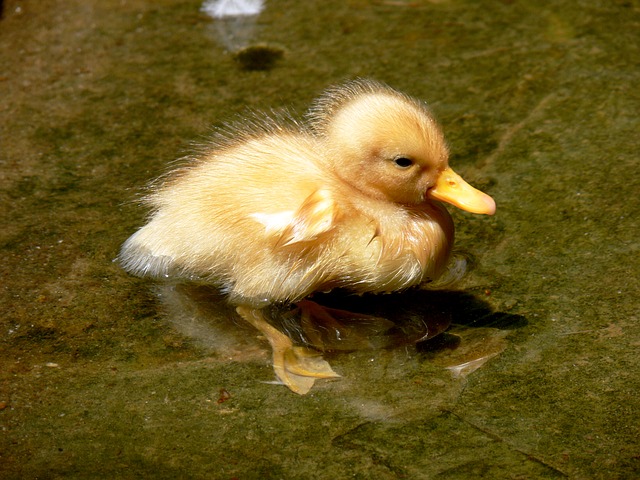
Chick ©PD
They were different from me, though, in many ways, principally, in their dislike for water. They hated even to get their feet wet, while I dearly loved to get in the pond, and swim around on its surface, or even dive down to the bottom, where such nice fat worms lived.
My poor mother never could understand my tastes. The first time she saw me on the water, she came rushing towards me, screaming and beating her wings.
“Oh, my child! my child!” she cried, with tears in her eyes. “You will drown! You will drown!”
I loved her, and so could not bear to see her distress. It was hard to be different from all the others.
I had a little yellow sister who was a great comfort to me at these times. I could never persuade her to try the water,—but she always sat upon the edge of the pond while I had my swim. We shared everything with each other; even our troubles.
About this time, my voice began to change. It had been a soft little “peep,” but now it grew so harsh, that some of the old hens made unpleasant remarks about it, and my mother was worried.
“It isn’t talking. It’s quacking,” said an old, brown-headed hen who was always complaining of her nerves.
She was very cross and spent most of her time standing on one leg in a corner and pecking any poor chicken that came in her reach.
“Don’t you know why it’s quacking?” asked a stately Buff Cochin who was a stranger in the yard; having arrived only that morning. “That child isn’t a chicken. She’s a duck.”
“What you giving us?” said a dandified Cock, who was busy pluming his feathers. “Whoever heard of a duck?”
“Not you, I daresay,” answered the Buff with a contemptuous sniff. “It’s easy to see you have never been away from this yard. I have traveled, I would have you understand, and I know a duck, too.”
“Well, I don’t care what you call her,” snapped the cross one. “I only hope she’ll keep her voice out of my hearing. The sound of it gives me nervous prostration.”

Greater White-fronted Goose (Anser albifrons) chick ©USFWS
As for poor me,—I stole quietly away, and went up into a corner of the chicken house to cry. I was a duck, alas! and different from all about me. No wonder I was lonely.
My mother asked the cause of my trouble, and when I told her she looked sad and puzzled. “I don’t know what a duck is,” she sighed, “things have been strangely mixed. But cheer up. Whatever comes you are still my child.”
That was indeed a comfort to me. For never had chicken or duck a better mother.
There was consolation also, in what the kind old Buff Cochin told me.
I had nothing to be ashamed of, she said, for ducks were much esteemed by those who knew them.
From her this had more weight, for we all regarded the Buff Cochin as very superior. They were well born, and well bred, and had seen life in many places. Their husband, too, was a thorough gentleman.
However, he also was having his troubles now. He was losing his old feathers, and his new ones were long in coming. Consequently, his appearance was shabby, and he staid away from the hens.

Duck Drawing ©PD
Poor fellow, he looked quite forlorn, leaning up against a sunny corner of the barn, trying to keep warm. I believe he felt the loss of his tail feathers most for the young roosters who strutted by in their fine new coats, made sneering remarks about it.
I was very sorry for him, but my own troubles were getting to be as much as I could bear; for just when I needed a sympathetic mother she was taken from me and her place filled by a big, bare-headed hen as high tempered as she was homely.
“Raising a duck,” she said with a contemptuous sniff at me. “I never supposed I’d come to that. Well, I’ll keep you, but understand one thing, don’t go quacking around me, and don’t bring your wet and mud into the house. I’m not your other mother. My children don’t rule me. I won’t have that Mrs. Redbreast saying my house is dirty. There’s no standing that hen anyhow. I’ll give her my opinion if she puts on her airs around me. There’s too much mixture here. One can’t tell where breed begins or ends.”
It was not many days later, before my mother and Mrs. Redbreast came to words and then blows. The cause was only a worm, but it was enough. Mrs. Redbreast insisted that it was hers. My mother thought otherwise, and with a screech of defiance rushed upon her enemy. Dust and feathers flew. We children withdrew to a safe distance, and with necks stretched watched in fear and trembling.
The fight, though fierce, was short. Our mother was victorious, but she had lost the tail feathers of which she had been so proud, and I am sure she never forgave Mrs. Redbreast.
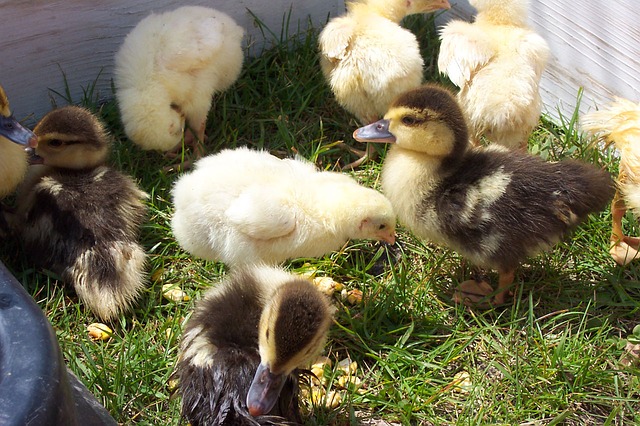
Chicks and Ducklings ©PD
Like children, chickens and ducks grow older and bigger with the passing days.
In time we were taken from our mothers and put to roost with the older hens and cocks. I was not made to roost so I spent my nights alone in a corner of the chicken house.
It was quieter down there—for up above the chickens all fought for best place, and their cackling and fluttering was disturbing.
The old gentleman was very heavy. Not only was it hard for him to fly up to the roost, but equally hard for him to hold on when once there. Yet I could never persuade him to rest on the floor with me. Like his kind, he preferred the discomfort of sleeping on a pole—a taste I cannot understand.
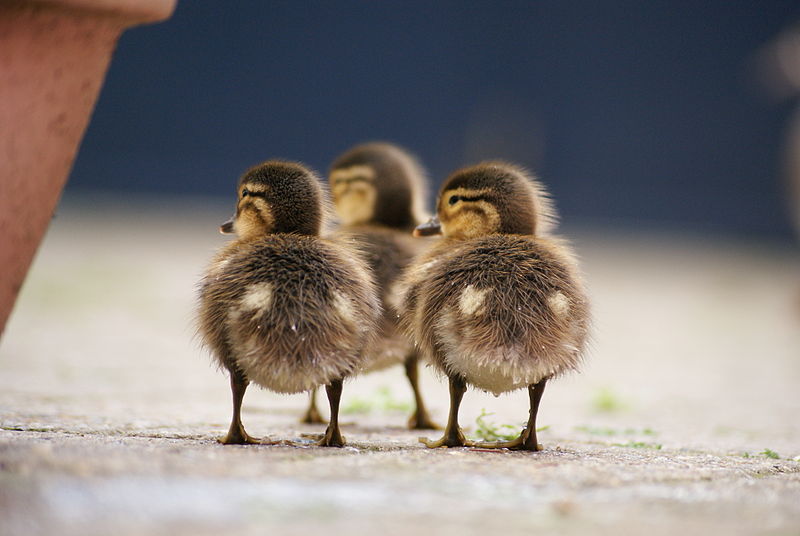
Three Ducklings ©WikiC
I was four months old before I saw one of my own kind. Then, one day three ducks were brought into the yard. They did not seem to mind being stared at, but fell to eating corn and talking among themselves.
“Horribly greedy,” said Mrs. Redbreast. “I for one don’t care to associate with them.”
“Now you know what you look like, old quacker,” snapped the cross hen, with a peck at me. “My poor nerves will suffer sadly now.”
These unkind remarks scarcely disturbed me, however. There was a new feeling stirring in my heart. I am afraid you will have to be a duck, and live a long time without other ducks, to understand it. Here were companions, whose natures and tastes were like mine, and I was content.
Louise Jamison.
Lee’s Addition:
A man that hath friends must shew himself friendly: and there is a friend that sticketh closer than a brother. (Proverbs 18:24 KJV)
Trust you enjoyed this delightful bird tale about a duck. This was written by Louise Jamison in the Birds and Nature Vol. X, No. 3, Octorber 1901.
Near the end, when our duckling met up with some of her own and made this remark: “Here were companions, whose natures and tastes were like mine, and I was content.” I couldn’t but think of how we as Christian feel a certain bond when we are around like believers.
God is faithful, by whom ye were called unto the fellowship of his Son Jesus Christ our Lord. (1 Corinthians 1:9 KJV)
that which we have seen and heard we proclaim also to you, so that you too may have fellowship with us; and indeed our fellowship is with the Father and with his Son Jesus Christ. (1 John 1:3 ESV)
This is from Gutenberg’s ebooks.
*
*




 Birds of the Bible For Kids