Anwers Book Chapter 1 – Did Dinosaurs Turn into Birds?

Changyuraptor yangi (aka feathered dinosaur) ©WikiC

Wow! Answers in Genesis placed the whole Chapter 24 of the New Answers Book 1 online. This chapter discusses the question:

Did Dinosaurs Turn into Birds?

Introduction

According to many evolutionists today, dinosaurs are really not extinct but rather are feeding at our bird feeders even as we speakFor many evolutionists, it would seem, birds simply are dinosaursWith this sort of bias, it is quite easy for evolutionists to find supposed evidence to support the notion that birds evolved from dinosaurs.

But what does the Bible tell us about the origin of birds, and just how good is the scientific evidence that some dinosaurs evolved into birds?…..

To see the whole article – Click Here

Birds, Illustrated – Volume 1, # 2 – Now Ready

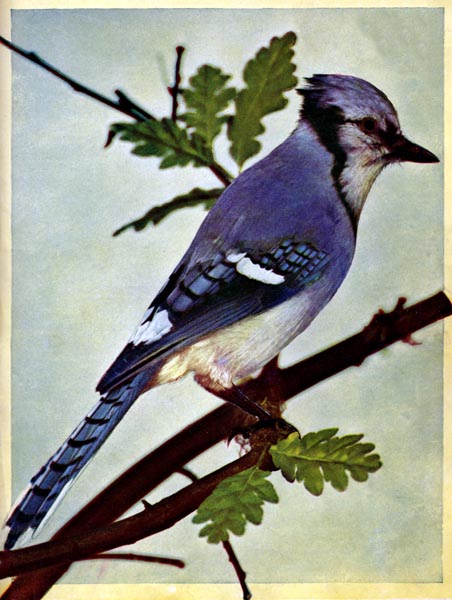
Blue Jay (Cyanocitta cristata)

Blue Jay (Cyanocitta cristata)

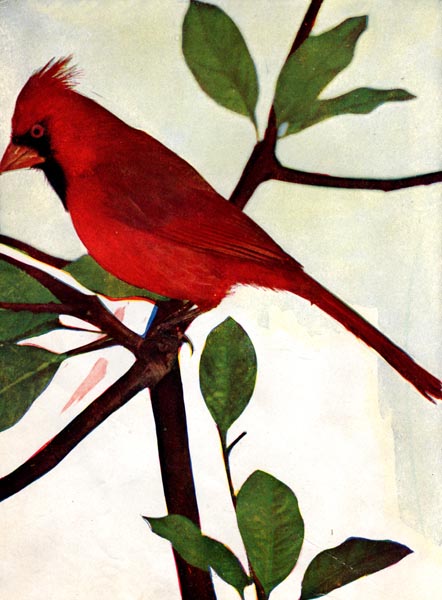
Volume 1, Number 2 of the Birds, Illustrated by Color Photography is re-activated and trust all the links are working correctly.

Volume 1, Number 2, February 1897


Red Bird - Northern Cardinal for Birds Illustrated

Red Bird – Northern Cardinal for Birds Illustrated

See Also:

Birds, Illustrated by Color Photography Vol 1, # 1, Jan. 1987 Reactivated

Birds, Illustrated by Color Photography Vol 1, # 1, Jan. 1987 Reactivated 

So far as I know, the following articles are active and the links should be working. When this series was first introduced back in 2011, they were a delight to work on. As these have been brought back over here to the Birds of the Bible for Kids blog, again, I have enjoyed re-reading many of them. Many like me, may have forgotten what was in them. Some of you have never read these. There are many more that will be released as soon as I [try to] get the links correct. This is part of re-opening the Kids Blog.

Enjoy reading about some great birds from our Creator.

Lee’s Addition:

Above is the Cover Photo and Preface to a monthly magazine written about Birds. The different birds are illustrated with a lovely Colorful Illustration and then details about the individual bird. Some of the birds have poems and stories also included. The Birds, Illustrated by Color Photography was begun in January of 1897 and went until at least February 1898. Why produce these pages? For one, they are very interesting and as birdwatchers, reading about the various birds that were so beautifully created, is enjoyable. The writers back in 1897 and 1898 spent many hours preparing this magazine, so why not re-visit their work. Just because time moves on does not mean everything from the past should be forgotten.

Remove not the ancient landmark, which thy fathers have set. (Proverbs 22:28 KJV)

Yea, whereto might the strength of their hands profit me, in whom old age was perished? (Job 30:2 KJV)

I remember the days of old; I meditate on all thy works; I muse on the work of thy hands. (Psalms 143:5 KJV)

These will be produced with updates to today and current photos also. Some of the names have been changed since then and that will be shown. Also, current links to more information will be provided, like our Birds of the Bible and Birds of the World, plus others. Some editing will happen, as I have already found one incident to remove because it was offensive to a people group. This book was digitized by the great people at the Project Gutenberg and this is in the Public Domain, including the Illustrations.

Most articles have two parts. The first is geared to the reading level for children and the other part for more mature readers. I trust you enjoy reading and learning about the birds.

Painted Bunting (Passerina ciris) - Drawing

Volume 1, Number 1, January 1987 (Articles now active here.)

The Nonpareil – Painted Bunting
The Resplendent Trogon
The Mandarin Duck
The Golden Pheasant
The Australian Grass Parrakeet
The Cock-Of-The-Rock
The Red Bird Of Paradise
The Yellow Throated Toucan
The Red-Rumped Tanager
The Golden Oriole

Choose Your Friends Wisely!

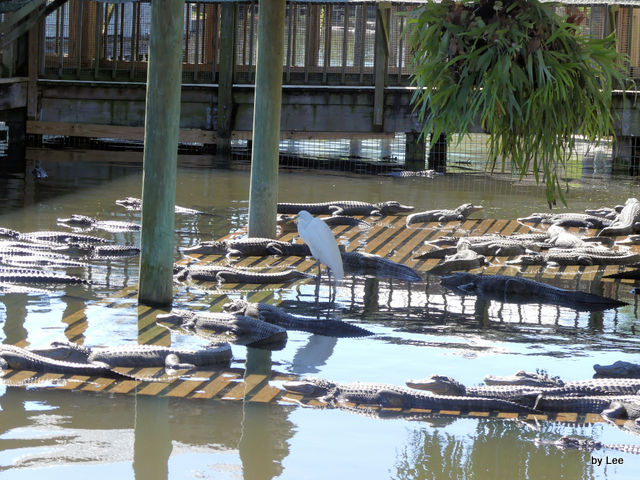
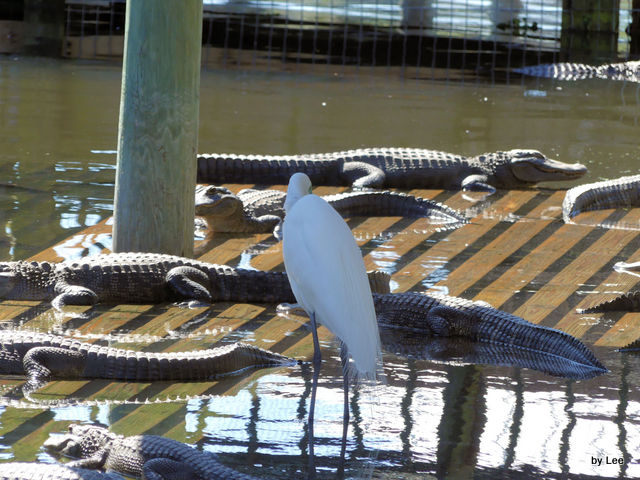
Great Egret With Alligators at Gatorland

“My son [and daughter], walk not thou in the way with them; refrain thy foot from their path:” (Proverbs 1:15 KJV)

Choose Your Friends Wisely!

Great Egret With Alligators at Gatorland

As young people, it is wise to choose who you make friends with. Who you hang out with can cause you to go the way they do. Good or Bad.

“Hear thou, my son, and be wise, and guide thine heart in the way.” (Proverbs 23:19 KJV)

Your parents and your church are places where you can learn the right way to behave, act, and who to make friends with.

“My son, give me thine heart, and let thine eyes observe my ways.” (Proverbs 23:26 KJV)

Most of all, reading the Bible, which is God’s Word, will teach you what is truth and the correct way to grow up. It is up to you whether you listen and learn the truth.

One good lesson is to – Choose Your Friends Wisely! 

Wordless Toucan

Plumed (Grass) Whistling Ducks – Video

Surely goodness and mercy shall follow me all the days of my life: and I will dwell in the house of the LORD for ever.
(Psalms 23:6 KJV)

Bellamoonnature produced this.

What he posted:

AMAZING FAMILY OF 18 •❥ Feeling excited, the first time I noticed these ducklings cuddled together in the grass… I thought maybe there were 8 or 9 fluffy, beautiful ducklings. When they all popped up to the count of (16) I was amazed… I’d never seen so many in one clutch. They quickly trusted me, therefore becoming part of my treasured extended feathered family.

Every afternoon, I would find them huddled together under the trees, waiting for their daily delivery of wild bird mix, that I was thrilled to deliver. It was truly heartening to see them all survive, and fly around our lakes as one. Eventually, the whistler ducks leave, before returning about six months later. They have all just returned to our local lakes… I wonder if my precious ‘family of 18’ are amongst them?

♥ GRASS WHISTLING DUCK •❥ The plumed whistling duck also called the grass whistling duck, with it’s loud sibilant whistle… is one of two whistling or tree ducks found in Australia. During the day the plumed Whistling-Duck congregates in large numbers with other waterfowl, on the margins of lagoons, swamps and mangrove creeks, for preening and sleeping. At night they fly out, often quite long distances, to feed on grasslands.

Music: Arms of Heaven By Aakash Gandhi

Free to use music from the YouTube Audio Library

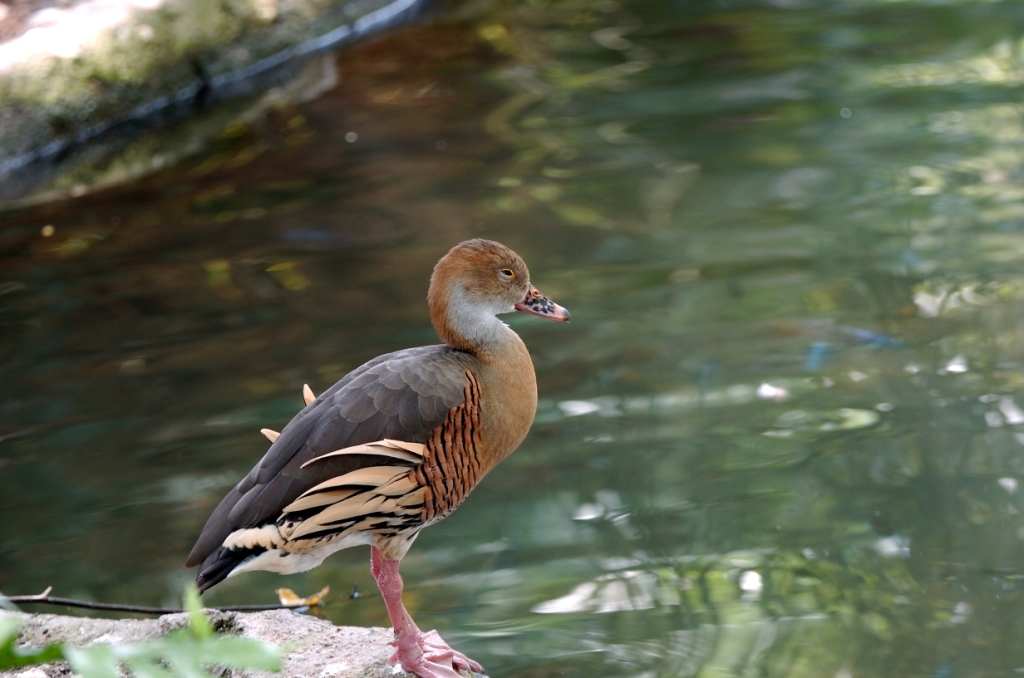
We have seen the Plumed Whistling Duck at Zoo Miami. Pretty birds.

Plumed Whistling Duck (Dendrocygna eytoni) by Lee Zoo Miami

Bible Birds – Owl’s Provision

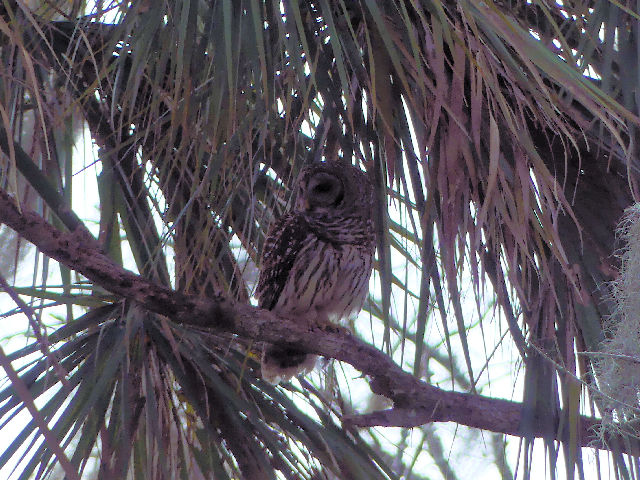
Barred Owl at Circle B by Lee

“The beast of the field shall honour me, the dragons and the owls: because I give waters in the wilderness, and rivers in the desert, to give drink to my people, my chosen.” (Isaiah 43:20 KJV)

Relocated Here


Bible Birds – Holding On With My Feet

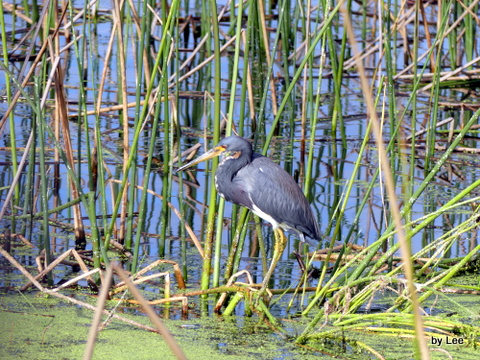
Tricolored Heron (Egretta tricolor) Viera Wetlands 12-26-17

Holding On With My Feet

“I have refrained my feet from every evil way, that I might keep thy word.” (Psalms 119:101 KJV)

Relocated Here

Birdwatching Term – Dabbling Duck

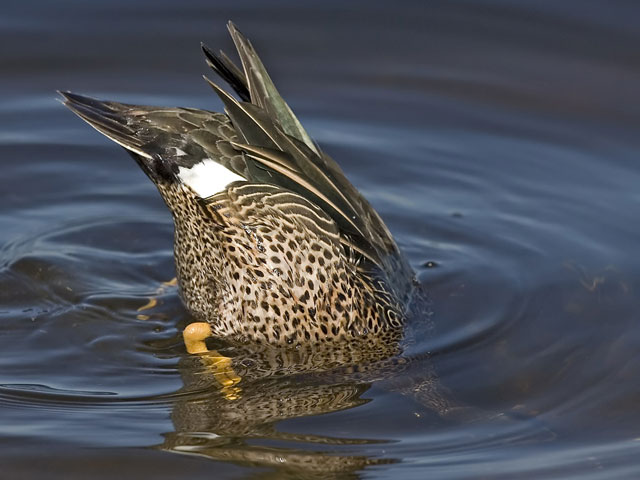
Blue-Winged-Teal-Dabbling ©Flyways USFWS

Blue-Winged-Teal-Dabbling ©Flyways USFWS

Dabbling Duck

What does it mean when a duck “dabbles” or is a “dabbling duck”?

This group of ducks has been so named because its members feed mainly on vegetable matter by upending on the water surface, or grazing, and only rarely dive. These are mostly gregarious ducks of freshwater or estuaries. These birds are strong fliers and northern species are highly migratory. Compared to other types of duck, their legs are placed more towards the centre of their bodies. They walk well on land, and some species feed on land.

Puddle ducks generally feed on the surface of the water or feed on very shallow bottoms. They are not equipped to dive down several feet like their diving counterparts. The most predominant difference between puddle ducks and divers are the size of the feet. A puddle duck’s feet are generally smaller because they do not need the extra propulsion to dive for their forage.

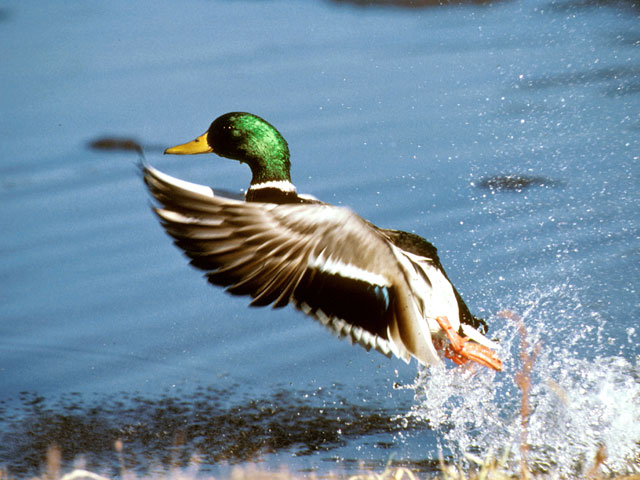
Another distinguishing characteristic of puddle ducks when compared to diving ducks is the way in which they take flight when spooked or are on the move.

Puddle ducks spring straight up from the water, and diving ducks need to gain momentum to take off, so they must run across the water a short distance to gain flight.

These Ducks belong to the Anatine sub-family of the Swans, Geese, and Duck Family.

Mallard-Takes-Off ©Flyways USFWS

Mallard-Takes-Off ©Flyways USFWS

For the younger reader:

What does it mean when a duck “dabbles” or is a “dabbling duck”?

They are called that because these ducks feed mainly on vegetable matter (plants) by upending on the water surface (They put their head in the water to eat and their tail section is all that is seen above the water.) or grazing, and only rarely dive.

When they take flight, they spring straight up from the water. The Diving ducks have to sort of run to take-off.

(Wikipedia with editing)

Look at the birds of the air; they neither sow nor reap nor gather into barns, and yet your heavenly Father keeps feeding them. Are you not worth much more than they? (Mat 6:26 AMP)

*

See:

Swans, Geese, and Duck Family.

Dabbling Ducks – Flyways.us

Dabbling Ducks – Wikipedia

More Birdwatching Terms

Wordless Birds

*

Birdwatching Term – Frontal Shield

White-winged Coot (Fulica leucoptera) Cropped ©WikiC

White-winged Coot (Fulica leucoptera) Cropped ©WikiC

Frontal Shield

He shall cover thee with his feathers, and under his wings shalt thou trust: his truth shall be thy shield and buckler. (Psalm 91:4 KJV)

The Coot article mentioned the shield. “Coots have prominent frontal shields or other decoration on the forehead…”

What is a “frontal shield”?

The place above the upper beak (upper mandible) has a plate-like area. It is made of a fleshy material. When the Lord created those birds that have the shield, He gave them each a different looking shield. It is neat to see the variety that the shields have. I am sure that the bird uses them to know which are their kind.

Below are some photos of the various Frontal Shields on the birds. There are more birds that have shield, but this just a sample of these unique birds.

This slideshow requires JavaScript.

“You have also given me the shield of your salvation: and your right hand has held me up, and your gentleness has made me great.” (Psalms 18:35 AKJV)

See:

*


Being and Doing as God Enables – by A. W. Tozer

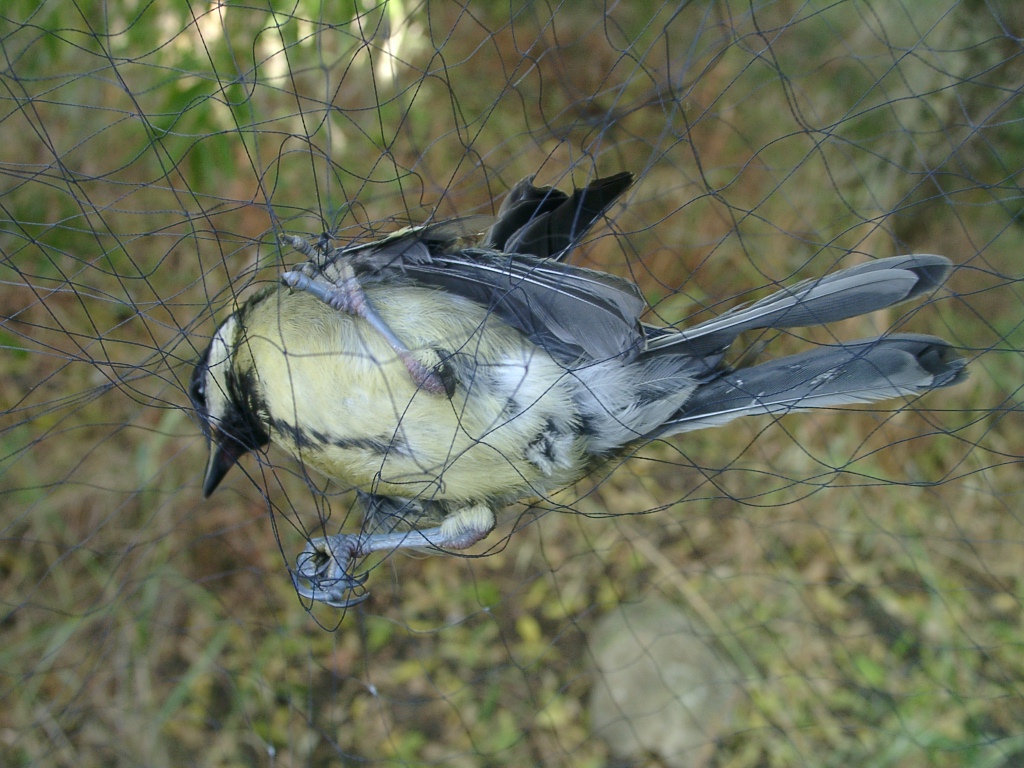
Bird caught in a net

Bird caught in a net

Being and Doing as God Enables – By A.W. Tozer  
(Guest Writer from the Past)

Surely in vain the net is spread in the sight of any bird. (Proverbs 1:17 KJV)

Failing to get ready in time for eternity, and failing to get ready now for the great then that lies out yonder, is a trap in plain sight. There is an odd saying in the Old Testament, “How useless to spread a net in full view of all the birds” (Proverbs 1:17).

When the man of God wrote that, he gave the birds a little credit. It would be silly for a bird watching me set the trap to conveniently fly down and get into it. Yet there are people doing that all the time. People who have to live for eternity fall into that trap set for them in plain sight. It is folly to put off to a tomorrow because you may never see the things that you should do now. It is an act of inexcusable folly to count on help that will never come. It is foolish to ignore God’s help now offered us. Many are guilty of ignoring the help that is presently being extended to them, all the while waiting for help that will never come from others. There is not much that can be said in favor of lazy or careless Christians. God never told anyone to do anything that he or she could not do. Jesus said to the man with the paralyzed arm that hung at his side like a limp piece of flesh, “Stretch out your hand” (Matthew 12:13a). And the man, believing that Jesus was the Christ, stretched out his hand and was healed instantly. God has never asked anyone yet to do anything that He was not enabling the person to do.

See  A.W. Tozer index.

A.W. Tozer (1897 – 1963)

A 20th-century prophet” they called him even in his lifetime. For 31 years he was pastor of Southside Alliance Church in Chicago, where his reputation as a man of God was citywide. Concurrently he became editor of Alliance Life, a responsibility he fulfilled until his death in 1963.

His greatest legacy to the Christian world has been his 30 books. Because A.W. Tozer lived in the presence of God he saw clearly and he spoke as a prophet to the church. He sought for God’s honor with the zeal of Elijah and mourned with Jeremiah at the apostasy of God’s people.

But he was not a prophet of despair. His writings are messages of concern. They warn and exhort. But they are messages of hope as well, for God is always there, ever faithful to restore and to fulfill His Word to those who hear and obey.
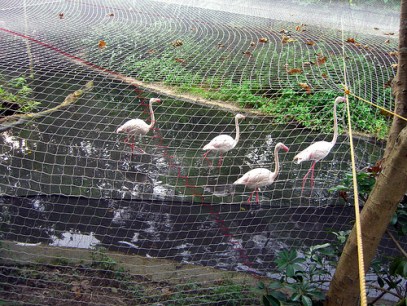

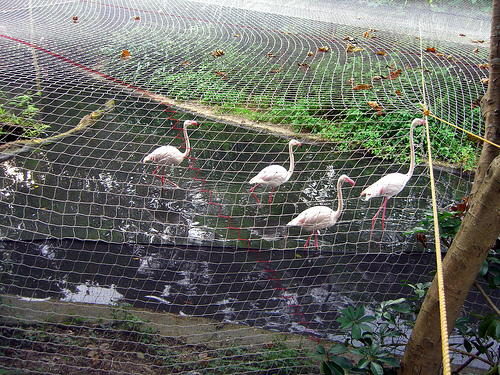
Flamingos Caught in a net©Flickr

Lee’s Addition:

Here is a warning for our Christian young people, including teens and older. “Failing to get ready in time for eternity, and failing to get ready now for the great then that lies out yonder…” Are you applying yourself to your studies? Do you spend too much time playing video games or watching TV, etc.? Are you spending time in God’s Word to help you grow in your spiritual walk with the Lord. Have you prayed for guidance for your future? You are not too young to be asking the Lord to lead you and guide you for your future.

“God has never asked anyone yet to do anything that He was not enabling the person to do.” He will help you with your studies, even though they may be hard. You just might find that later on in life, those studies were part of your “enabling.”

Be aware of what is going on around you and watch out for those nets that can get you tangled up.


The Pursuit of God by A. W. Tozer – ebook

A. W. Tozer – Wikipedia

Birds of the Bible – Bird Catcher

Four Things God Wants You To Know

*