Running The Race

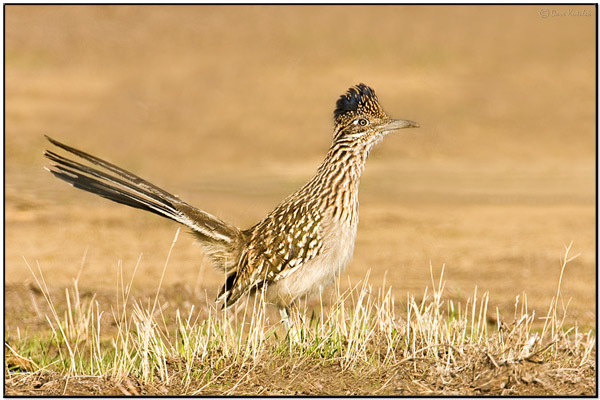
Greater Roadrunner (Geococcyx californianus) by Daves BirdingPix

Greater Roadrunner (Geococcyx californianus) by Daves BirdingPix

“Do you not know that those who run in a race all run, but one receives the prize? Run in such a way that you may obtain it.” 1 Corinthians 9:24 (NKJV)

Have you ever wondered what kinds of birds can run fast? We read about how fast birds can fly, but what about when they are on the ground. The bird pictured above is one that you might have thought of. That is the Greater Roadrunner. He chases lizards and other speedy critters so they need speed and agility. There are other birds that run fast, but we will check them out later.

“The roadrunners (genus Geococcyx), also known as chaparral birds or chaparral cocks, are two species of fast-running ground cuckoos with long tails and crests. They are found in the southwestern United States and Mexico, usually in the desert. Some have been clocked at 20 miles per hour (32 km/h) while a few have also been clocked up to 27 miles per hour.”

“The roadrunner forages on the ground and, when hunting, usually runs after prey from under cover. It may leap to catch insects, and commonly batters certain prey against the ground. Because of its quickness, the roadrunner is one of the few animals that preys upon rattlesnakes; it is also the only real predator of tarantula hawk wasps.” Wikipedia – Roadrunners
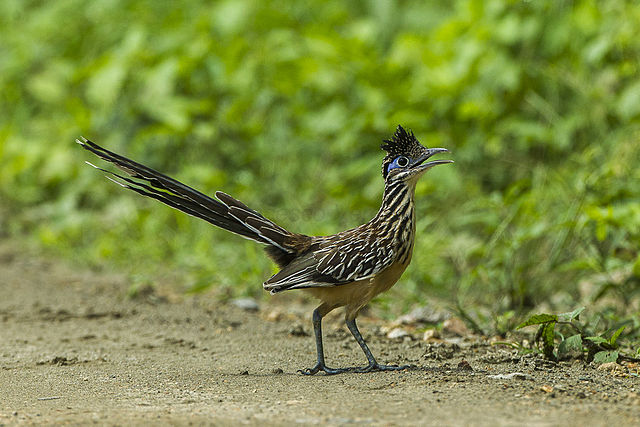
Lesser Roadrunner (Geococcyx velox) ©WikiC

The Bible tells us, that after we accept the Lord as our Savior, we are supposed to do certain things. We should read God’s Word, talk to Him in prayer, obey our parents, be kind to others, and so on. Most times, you and I know when we do something we shouldn’t. We also know how we feel when we do do the things we know are right.

Living as a Christian is sort of like being in a race. We want to do our best and hopefully win. Others will be watching, and cheering us on to do our best. If we trip and fall, do we stay down, or get up and keep going?
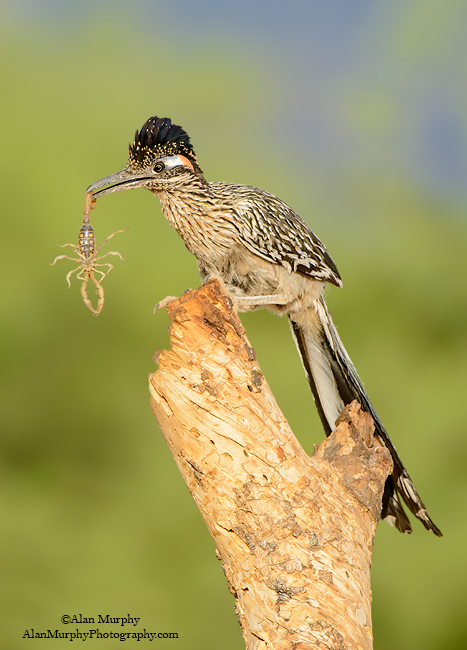
Greater Roadrunner (Geococcyx californianus) ©©Alan Murphy Flickr

Again, the Bible tells us that we need to ask forgiveness when we do wrong (sin). If you misbehaved, wouldn’t you ask your parents to forgive you? [That is if you meant it.] Get rid of those bad behaviors and run the race [do your best]. The same is true with the Lord Jesus Christ. We should do our best to please and serve Him.

“Therefore we also, since we are surrounded by so great a cloud of witnesses, let us lay aside every weight, and the sin which so easily ensnares us, and let us run with endurance the race that is set before us,” Hebrews 12:1 (NKJV)

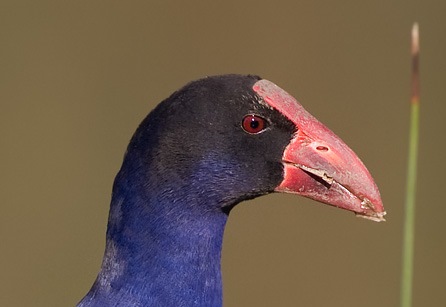
Is A Porphyrion On The Do Not Eat List?

Purple Swamphen (Porphyrio porphyrio) Cropped WikiC

Purple Swamphen (Porphyrio porphyrio) Cropped WikiC

Is The Porphyrion On The Do Not Eat List? When the Birds of the Bible articles were written several years ago, I used my e-Sword program to search for the names of different species of birds on the “Do Not Eat List.” Now, the BibleGateway Bibles are also available for me to use. Time to check these new resources to see if any other name of bird is in one of their Bible translations.

I started with Leviticus 11:18 and Deuteronomy 14:17 [The beginning of the “Do Not Eat List” of birds] Looking through the list, Porphyrion caught my attention.

When I first started searching this word out on Google, here is what came up: “In Greek mythology, Porphyrion (Ancient Greek: Πορφυρίων) was one of the Gigantes (Giants)…” Whoa! That’s not a bird, but a Greek Mythology character, and not a very nice one. That is the reason for this title.

Purple Swamphen (Porphyrio porphyrio) ©WikiC

Purple Swamphen (Porphyrio porphyrio) ©WikiC

Ah! But further researching found that the Porphyrion is actually another name for the Swamphen. Notice the scientific name in the photo.

Porphyrio porphyrio. That is most likely why the Douay-Rheims 1899 [American edition DRA] translated it that way. They are the only English Bible that translates the bird this way.

They translated the two verses as:

“And the swan, and the bittern, and the porphyrion,” Leviticus 11:18 DRA

“And the cormorant, the porphyrion, and the night crow,” Deuteronomy 14:17 DRA
also
“and a dipper, a porphyrio, and a rearmouse, a cormorant,” WYC [Here’s a verse to check out :) ]

Purple Gallinule at Lake Hollingsworth by Lee

Here is a bit about this Swamphen family:

“Porphyrio is the swamphen or swamp hen bird genus in the rail family. It includes some smaller species which are usually called “purple gallinules”, and which are sometimes separated as genus Porphyrula or united with the gallinules proper (or “moorhens”) in Gallinula. The Porphyrio gallinules are distributed in the warmer regions of the world.

The genus Porphyrio was introduced by the French zoologist Mathurin Jacques Brisson in 1760 with the western swamphen (Porphyrio porphyrio) as the type species. The genus name Porphyrio is the Latin name for “swamphen”, meaning “purple“. [Wikipedia – Swamphen]

Purple Gallinule by Lee at Lake Parker 1-7-12

Purple Gallinule by Lee at Lake Parker 1-7-12

Searching this blog, there is a previous post written about the porphyrion or Swamphen in 2013. Birds of the Bible – Name Study – Swamphen or Waterhen
Stay tuned for more searches of the Birds of the Bible – Do Not Eat list!
[Yes, I believe in using the main translations of the Bible; like KJV, NKJV, and NASB, but these searches are for just finding different birds to write about. God created all the birds, and I find it interesting to see how these birds are translated.]

This is one of the reasons we post a Disclaimer about the different Bible versions.

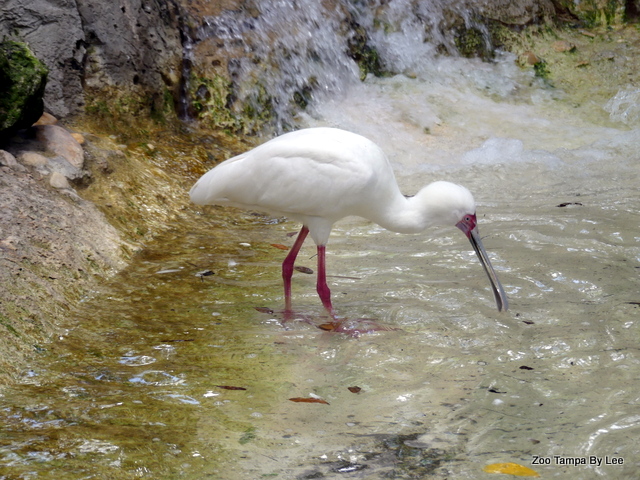
African Spoonbill Feeding at Zoo Tampa

African Spoonbill Zoo Tampa by Lee

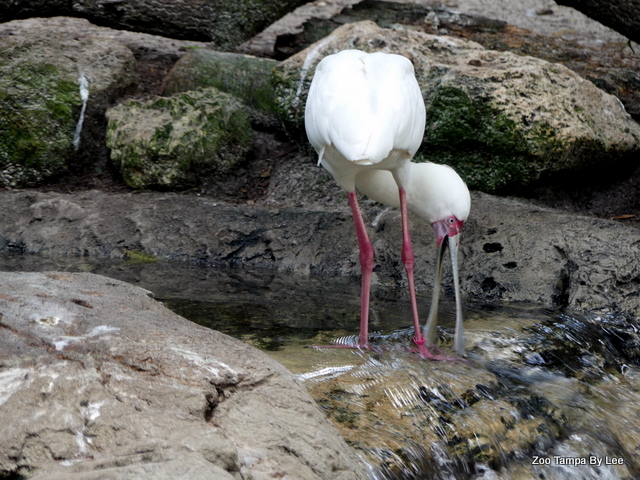
The Spoonbill family has a unique or uncommon way of feeding. They swing their beak back and forth in the water to find food. The inside of the “spoon” is very sensitive. When they feel a “goodie,” their beak snaps shut. They then swallow their food.

I have been trying to capture this action on video for some time, and finally, watched this African Spoonbill catch his food. This was taken at Zoo Tampa (Lowry Park Zoo) in their aviary.

“For who makes you differ from another? And what do you have that you did not receive? Now if you did indeed receive it, why do you boast as if you had not received it?” (1 Corinthians 4:7 NKJV)

Just as the Spoonbills eat differently from other species of birds, it was the Creator that made them this way. You were created different than anyone else. Enjoy your uniqueness, because God made you the way your are. You were given different talents and abilities than someone else. What are you going to do with what the Lord has given?

African Spoonbill Zoo Tampa by Lee

The Spoonbills are using their uniqueness very well!

Spoonbill – Wikipedia

Wordless Birds


Greater and Lesser Necklaced Laughingthrush

Greater Necklaced Laughingthrush (Garrulax pectoralis) ©WikiC at San Diego Zoo

“So Adam gave names to all cattle, to the birds of the air, and to every beast of the field. …” (Genesis 2:20a NKJV)

While posting Emma Foster’s latest tale about birds, the Greater Necklaced Laughingthrush (Garrulax pectoralis) was used. I picked this bird because of the “necklaced” part of its name. Where actually do they live and what can we find out about them?

I have always enjoyed the Laughingthrush every since we saw the ones in Zoo Miami’s Aviary.

Red-tailed Laughingthrush by Dan at Wings of Asia Zoo Miami

The Greater Necklaced Laughingthrush doesn’t have much written about it in Wikipedia. Here is their information:

The Greater Necklaced Laughingthrush (Pterorhinus pectoralis) is a species of passerine bird in the family Leiothrichidae. It is found in Bangladesh, Bhutan, China, India, Laos, Myanmar, Nepal, Thailand and Vietnam. It is introduced to the United States. Its natural habitats are subtropical or tropical moist lowland forest and subtropical or tropical moist montane forest.

This species was formerly placed in the genus Garrulax but following the publication of a comprehensive molecular phylogenetic study in 2018, it was moved to the resurrected genus Pterorhinus.

Greater necklaced laughingthrush, Garrulax pectoralis (formerly; Ianthocincla pectoralis ), also known as the necklaced laughingthrush or the black-gorgeted laughingthrush, photographed at Hong Kong, China.

Greater Necklaced Laughingthrush (Garrulax pectoralis) ©WikiC

The Handbook of Birds of the World gives us a few more facts:

Size is – 26·5–34·5 cm; 105–170 g. Very like G. monileger, but larger, eye dark, necklace often bolder, dark primary coverts. Nominate race has crown…

Voice – Apparent song types include repeated, clear, ringing, slightly descending and diminishing sequence…

Diet – Mostly insects; also some fruits. In Hong Kong study, of ten faecal samples Aug–May, seven contained insects, and all contained fruit…
Breeding – Feb–Aug; multi-brooded. Nest a large, broad, bulky, rather shallow cup or saucer, made of dead bamboo or other leaves, roots, moss,…

Greater Necklaced Laughingthrush (Garrulax pectoralis) ©WikiC

Here is how The Guardian describes this bird:

An adult Greater Necklaced Laughingthrush, (Garrulax pectoralis). This species can be identified by the silvery streaked ear coverts encircled by a black band. This distinguishes it from the similarly-appearing Lesser Necklaced Laughingthrush (but that species is pale and has none of the ear covert markings).

The Greater Necklaced Laughingthrush is a member of a large family of passerines known as the the Old World babblers (Timaliidae). This family is quite diverse in size and coloration, but are characterised by soft fluffy plumage — a really lame way to classify them, in my opinion, since there’s a LOT of passerines with “soft fluffy plumage” that are not included in this taxonomic family. Ho-hum.

One weird fact: the American wrentit was recently placed into the Old World babblers but that enigmatic species probably doesn’t belong there.

Another weird fact: there are two groups of birds in the world that are known as “babblers”: the timaliids are one and the other is the (unrelated) Australasian babblers of the family, Pomatostomidae. The pomatostomids are now sometimes known as the pseudo-babblers, because they deceived naturalists, ornithologists and birders for so bloody long.

From the The Guardian.com

Video of the Greater Necklaced Laughingthrushes of Bann Song Nok, south of Bangkok. By Wazooland

Okay, so what about these Lesser Necklaced? They look so similar that you really need to look hard to distinguish them. Look real close, and then notice the color of the eyes. Which is which? Lesser has a yellow eye and the greater has a black eye. Oh, and the “necklace” is supposed to be narrower. It is hard to tell that. The “ear covert markings” help, but those eyes are the clincher!

Lesser Necklaced Laughingthrush (Garrulax monileger) ©WikiC

Lesser Necklaced Laughingthrush (Garrulax …) ©WikiC

Lesser Necklaced Laughingthrush (Garrulax …) ©WikiC

“They came, both men and women, as many as had a willing heart, and brought earrings and nose rings, rings and necklaces, all jewelry of gold, that is, every man who made an offering of gold to the LORD.” (Exodus 35:22 NKJV)

Leiothrichidae – Laughingthrushes & allies

Timaliidae – Babblers, Scimitar Babblers

Wordless Woodpecker


Hoopoe – A Bible Bird

Hoopoe Feeding Young ©©Dvir Lotan from Israel

Hoopoe Feeding Young ©©Dvir Lotan from Israel

“The stork, all kinds of heron, the hoopoe, and the bat.” (Leviticus 11:19 AMP)

Eurasian Hoopoe (Upupa epops) by Nikhil Devasar

“The stork, the heron of any variety, the hoopoe, and the bat.” (Deuteronomy 14:18 AMP)

This bird is on the “Do Not Eat List.”

Bible Birds – Hoopoe

Birds and Mother’s Day

Today is Mother’s Day here in America. I wonder if the beautiful, hard-working avian mother’s have a special day. Maybe, it is the day the little one fledge and finally have “Flown The Coop.”

Seriously, I would like to wish all of my readers a Happy Mother’s Day with this little tribute.

Also, Make Sure You Wish Your Mother A Happy Mother’s Day.

First, the Momma bird lays her eggs:

“Let your father and your mother be glad, And let her who bore you rejoice.” (Proverbs 23:25 NKJV)

Second, momma has to sit on the eggs for awhile:

“For whoever does the will of My Father in heaven is My brother and sister and mother.” (Matthew 12:50 NKJV)

Third, the little ones start to appear:

“Honour thy father and thy mother: and, Thou shalt love thy neighbour as thyself.” (Matthew 19:19 KJV)

Fourth, those little birds get hungry:

“Honour thy father and mother; (which is the first commandment with promise;)” (Ephesians 6:2 KJV)

Fifth, they mature (juveniles) and eventually Fly The Coop:

Avian mother’s are finished with that batch. Unlike human mothers whose work has just begun, and will continue through every stage of their children’s lives, even into their grandchildren’s lives.

Happy Mother’s Day!!

“Listen to your father who begot you, And do not despise your mother when she is old.” (Proverbs 23:22 NKJV)
“A wise son makes a father glad, But a foolish man despises his mother.” (Proverbs 15:20 NKJV)
Bible Birds – Vulture Introduction

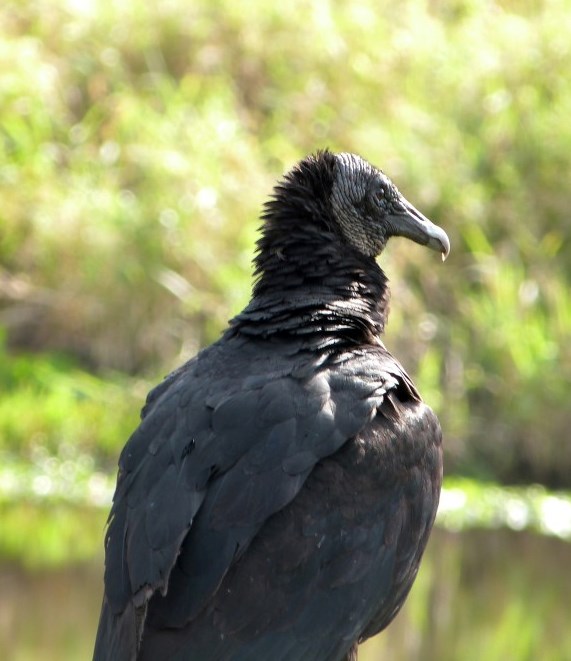
Black Vulture by Lee Myakka SP

Black Vulture by Lee Myakka State Park

“But these are the ones that you shall not eat: the eagle, the bearded vulture, the black vulture,” (Deuteronomy 14:12 NKJV)
See the rest of the article HERE


Streets and Birds of Gold

Gold Nugget ©Zimbabwe

The twelve gates were twelve pearls: each individual gate was of one pearl. And the street of the city was pure gold, like transparent glass. (Revelation 21:21 NKJV)
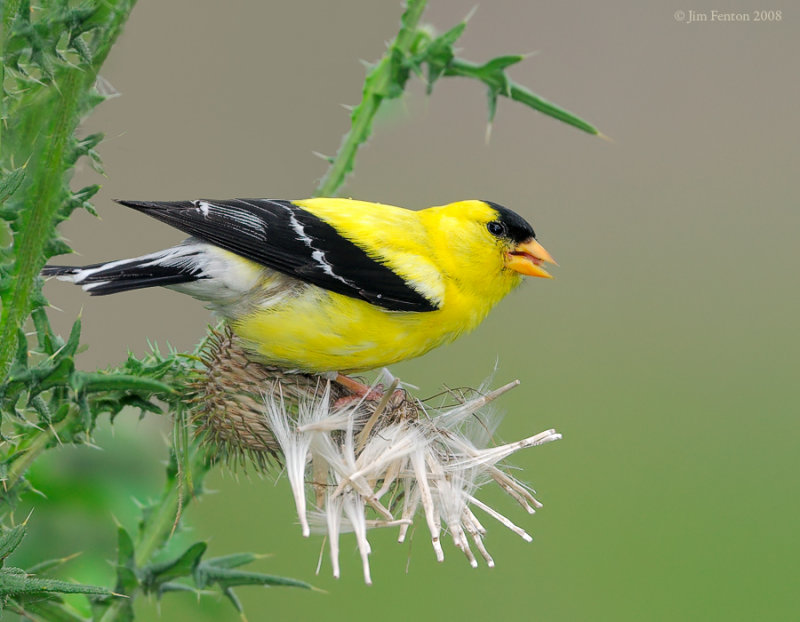
With the Precious Stones of the Foundations of the New Jerusalem completed, it is interesting to look at the next verse. The twelve stones were mentioned in Revelation 21:19,20. Yet, in the next verse two more precious stones or minerals are mentioned. Gold and Pearls.

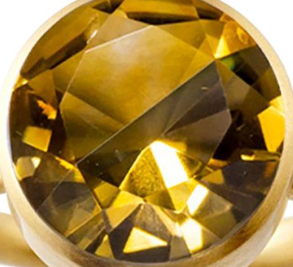
Gold Stone in Ring

In my e-Sword program, the search for “gold” turned up 393 verses found, 451 matches. We won’t quote all of these verse. Gold must be mighty important to be mentioned that many times. When times turn bad, even today, people try to purchase and keep gold, because it is so valuable.

Yet, the Creator of gold, is making streets of pure gold in the New Jerusalem. WOW!! It is going to be beyond description.

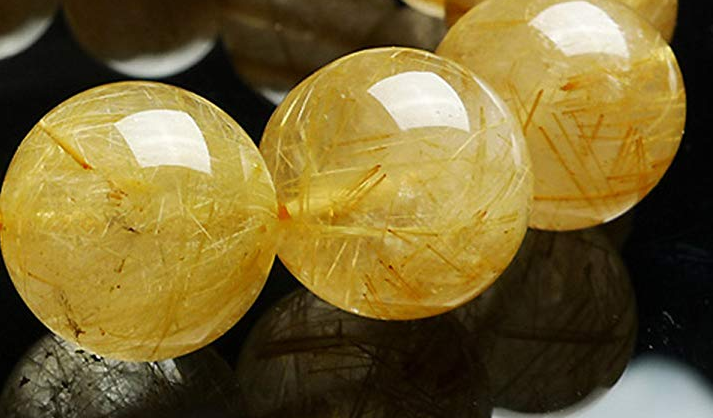
Natural Gold Rutilated Quartz Crystal©Amazon

“They are all plain to him who understands, And right to those who find knowledge. Receive my instruction, and not silver, And knowledge rather than choice gold; For wisdom is better than rubies, And all the things one may desire cannot be compared with her.” (Proverbs 8:9-11 NKJV)
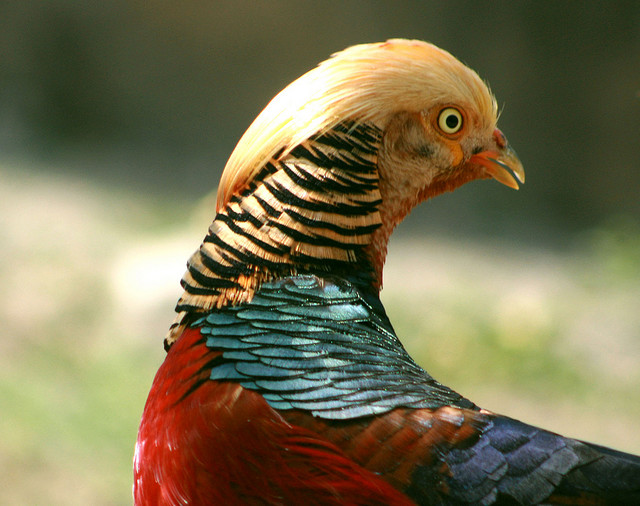
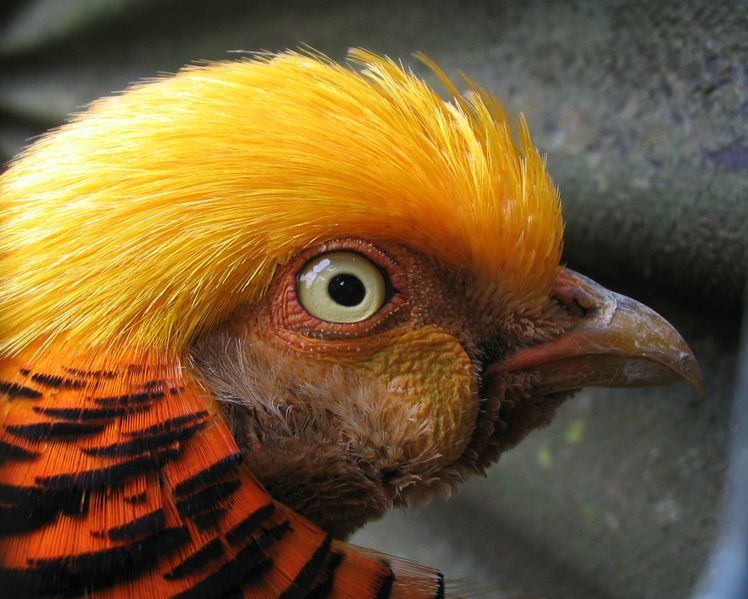
There have been quite a few articles about birds with Gold in their name, yet we will show some of them here for you to enjoy God’s Creative Hand at work on these avian wonders.

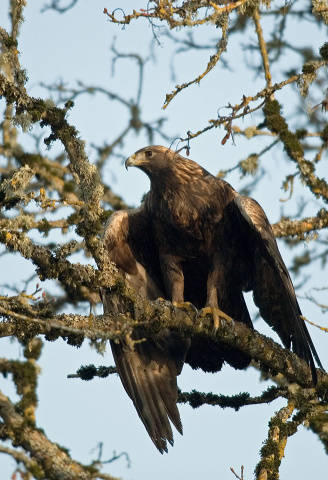
You might want to check out the adventures of Golden Eagle:

Golden Eagle

Two Other Gold Bird posts:

Christmas Birds – Silver and Gold 2013

Christmas Birds – Gold 2013

Wordless Toucan


Gates of Pearl and Pearly Birds

The twelve gates were twelve pearls: each individual gate was of one pearl. And the street of the city was pure gold, like transparent glass. (Revelation 21:21 NKJV)

Forwarded to Pearly Gates and Pearly Birds