Nesting Time With Snoopy’s Help

 Peanuts for 3/11/2018

Peanuts for 3/11/2018 – Copyright Peanuts/Distributed by Universal Uclick for UFS

It’s getting time for the birds to think about heading north and start their nests. I couldn’t help but chuckle over Snoopy helping out.

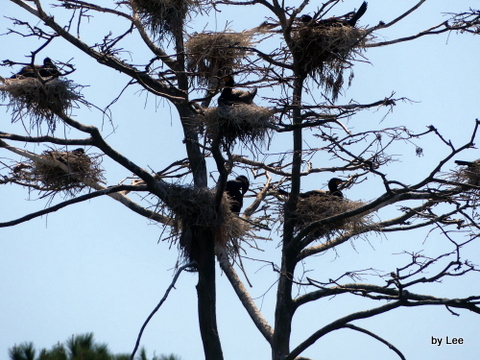
Cormorant Tree at Gatorland by Lee

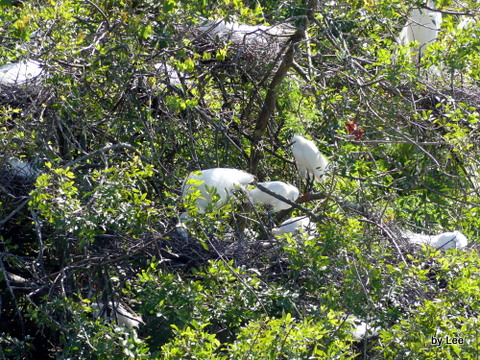
Egret and Heron nests at Gatorland by Lee 3-6-18

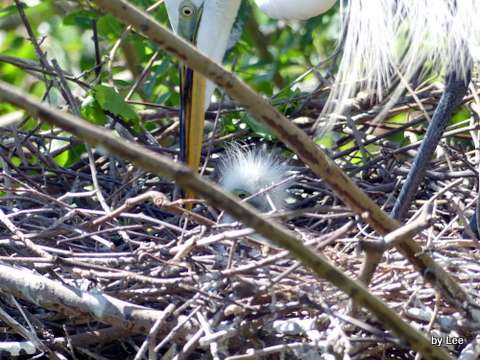
We were at Gatorland recently, in central Florida, and the nests were everywhere. One even had a one-day old Great Egret in it. It really wasn’t so “Great” at this stage of its life.

Great Egret 1-day old chick at Gatorland

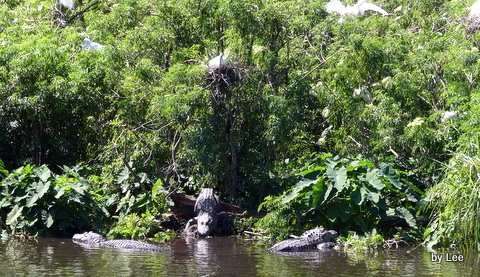
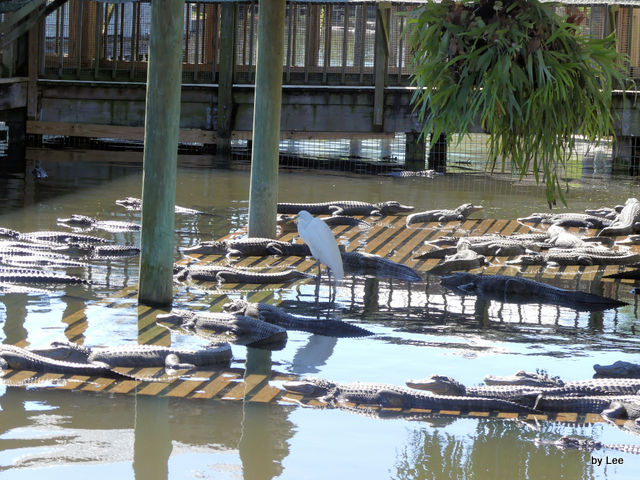
I doubt Snoopy helped supply the twigs for these nest, especially with all the Alligators laying around underneath them.

Gators waiting under the nest – Gatorland by Lee 3-6-18

Have a great day!

If a bird’s nest chance to be before thee in the way in any tree, or on the ground, whether they be young ones, or eggs, and the dam sitting upon the young, or upon the eggs, thou shalt not take the dam with the young: (Deuteronomy 22:6 KJV)

Anwers Book Chapter 1 – Did Dinosaurs Turn into Birds?

Changyuraptor yangi (aka feathered dinosaur) ©WikiC

Wow! Answers in Genesis placed the whole Chapter 24 of the New Answers Book 1 online. This chapter discusses the question:

Did Dinosaurs Turn into Birds?

Introduction

According to many evolutionists today, dinosaurs are really not extinct but rather are feeding at our bird feeders even as we speakFor many evolutionists, it would seem, birds simply are dinosaursWith this sort of bias, it is quite easy for evolutionists to find supposed evidence to support the notion that birds evolved from dinosaurs.

But what does the Bible tell us about the origin of birds, and just how good is the scientific evidence that some dinosaurs evolved into birds?…..

To see the whole article – Click Here

Birds, Illustrated – Volume 1, # 2 – Now Ready

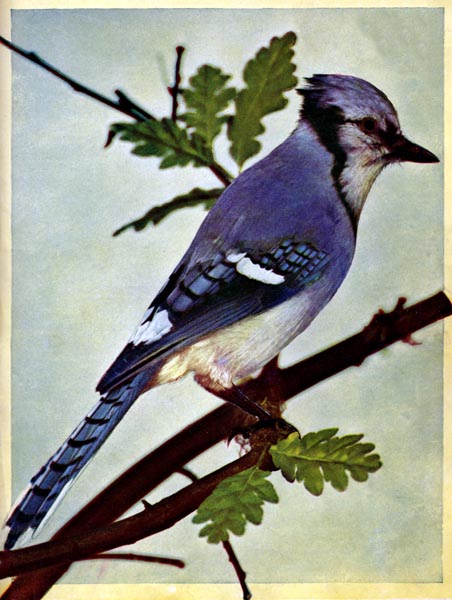
Blue Jay (Cyanocitta cristata)

Blue Jay (Cyanocitta cristata)

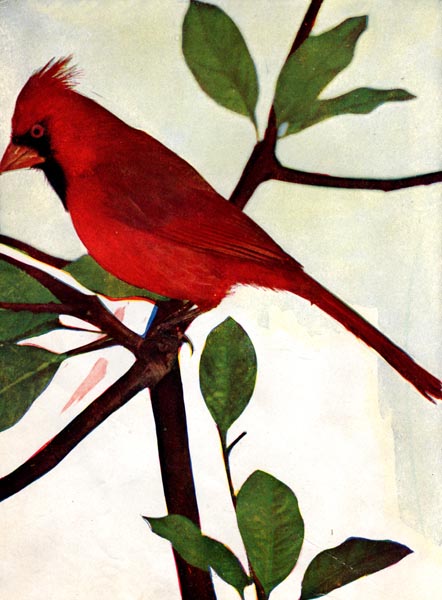
Volume 1, Number 2 of the Birds, Illustrated by Color Photography is re-activated and trust all the links are working correctly.

Volume 1, Number 2, February 1897


Red Bird - Northern Cardinal for Birds Illustrated

Red Bird – Northern Cardinal for Birds Illustrated

See Also:

Birds, Illustrated by Color Photography Vol 1, # 1, Jan. 1987 Reactivated

Birds, Illustrated by Color Photography Vol 1, # 1, Jan. 1987 Reactivated 

So far as I know, the following articles are active and the links should be working. When this series was first introduced back in 2011, they were a delight to work on. As these have been brought back over here to the Birds of the Bible for Kids blog, again, I have enjoyed re-reading many of them. Many like me, may have forgotten what was in them. Some of you have never read these. There are many more that will be released as soon as I [try to] get the links correct. This is part of re-opening the Kids Blog.

Enjoy reading about some great birds from our Creator.

Lee’s Addition:

Above is the Cover Photo and Preface to a monthly magazine written about Birds. The different birds are illustrated with a lovely Colorful Illustration and then details about the individual bird. Some of the birds have poems and stories also included. The Birds, Illustrated by Color Photography was begun in January of 1897 and went until at least February 1898. Why produce these pages? For one, they are very interesting and as birdwatchers, reading about the various birds that were so beautifully created, is enjoyable. The writers back in 1897 and 1898 spent many hours preparing this magazine, so why not re-visit their work. Just because time moves on does not mean everything from the past should be forgotten.

Remove not the ancient landmark, which thy fathers have set. (Proverbs 22:28 KJV)

Yea, whereto might the strength of their hands profit me, in whom old age was perished? (Job 30:2 KJV)

I remember the days of old; I meditate on all thy works; I muse on the work of thy hands. (Psalms 143:5 KJV)

These will be produced with updates to today and current photos also. Some of the names have been changed since then and that will be shown. Also, current links to more information will be provided, like our Birds of the Bible and Birds of the World, plus others. Some editing will happen, as I have already found one incident to remove because it was offensive to a people group. This book was digitized by the great people at the Project Gutenberg and this is in the Public Domain, including the Illustrations.

Most articles have two parts. The first is geared to the reading level for children and the other part for more mature readers. I trust you enjoy reading and learning about the birds.

Painted Bunting (Passerina ciris) - Drawing

Volume 1, Number 1, January 1987 (Articles now active here.)

The Nonpareil – Painted Bunting
The Resplendent Trogon
The Mandarin Duck
The Golden Pheasant
The Australian Grass Parrakeet
The Cock-Of-The-Rock
The Red Bird Of Paradise
The Yellow Throated Toucan
The Red-Rumped Tanager
The Golden Oriole

Choose Your Friends Wisely!

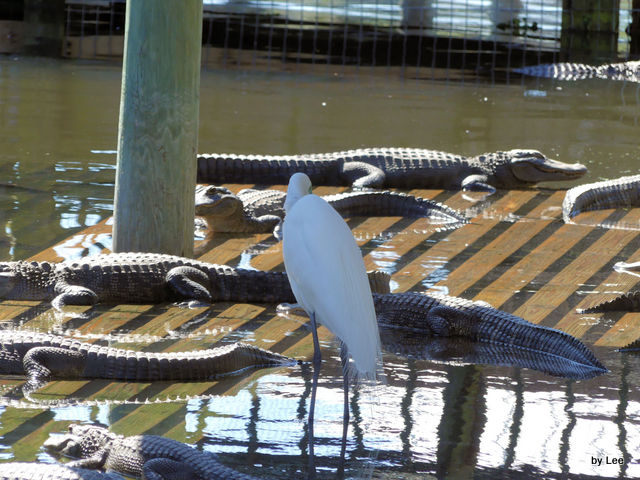
Great Egret With Alligators at Gatorland

“My son [and daughter], walk not thou in the way with them; refrain thy foot from their path:” (Proverbs 1:15 KJV)

Choose Your Friends Wisely!

Great Egret With Alligators at Gatorland

As young people, it is wise to choose who you make friends with. Who you hang out with can cause you to go the way they do. Good or Bad.

“Hear thou, my son, and be wise, and guide thine heart in the way.” (Proverbs 23:19 KJV)

Your parents and your church are places where you can learn the right way to behave, act, and who to make friends with.

“My son, give me thine heart, and let thine eyes observe my ways.” (Proverbs 23:26 KJV)

Most of all, reading the Bible, which is God’s Word, will teach you what is truth and the correct way to grow up. It is up to you whether you listen and learn the truth.

One good lesson is to – Choose Your Friends Wisely! 

Wordless Toucan

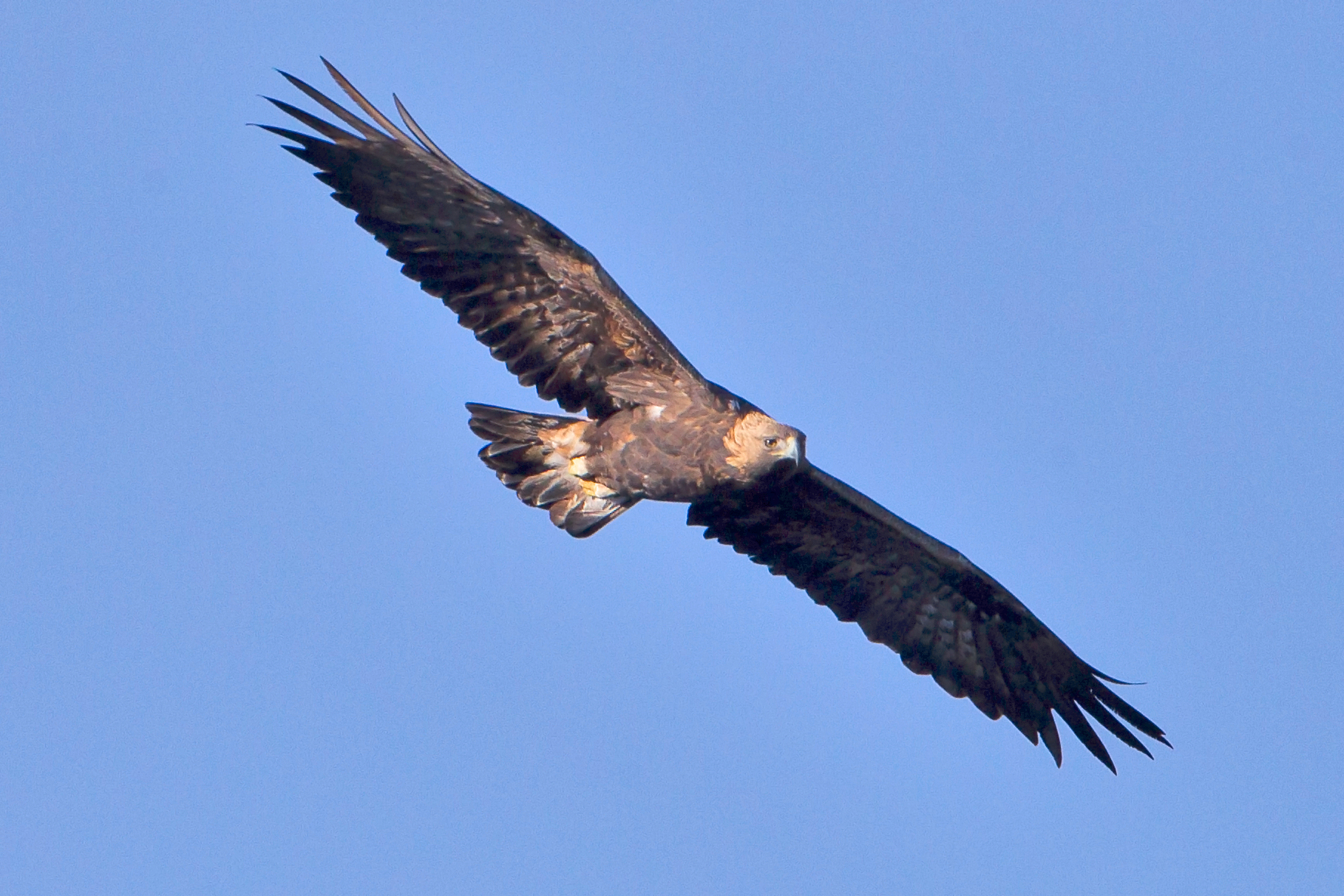
Golden Eagle Lands Here Again

Golden Eagle (Aquila chrysaetos) Flying ©WikiC

“Wherefore I put thee in remembrance that thou stir up the gift of God, which is in thee…. For God hath not given us the spirit of fear; but of power, and of love, and of a sound mind.” (2 Timothy 1:6-7 KJV)

Golden Eagle Lands Here Again

Plumed (Grass) Whistling Ducks – Video

Surely goodness and mercy shall follow me all the days of my life: and I will dwell in the house of the LORD for ever.
(Psalms 23:6 KJV)

Bellamoonnature produced this.

What he posted:

AMAZING FAMILY OF 18 •❥ Feeling excited, the first time I noticed these ducklings cuddled together in the grass… I thought maybe there were 8 or 9 fluffy, beautiful ducklings. When they all popped up to the count of (16) I was amazed… I’d never seen so many in one clutch. They quickly trusted me, therefore becoming part of my treasured extended feathered family.

Every afternoon, I would find them huddled together under the trees, waiting for their daily delivery of wild bird mix, that I was thrilled to deliver. It was truly heartening to see them all survive, and fly around our lakes as one. Eventually, the whistler ducks leave, before returning about six months later. They have all just returned to our local lakes… I wonder if my precious ‘family of 18’ are amongst them?

♥ GRASS WHISTLING DUCK •❥ The plumed whistling duck also called the grass whistling duck, with it’s loud sibilant whistle… is one of two whistling or tree ducks found in Australia. During the day the plumed Whistling-Duck congregates in large numbers with other waterfowl, on the margins of lagoons, swamps and mangrove creeks, for preening and sleeping. At night they fly out, often quite long distances, to feed on grasslands.

Music: Arms of Heaven By Aakash Gandhi

Free to use music from the YouTube Audio Library

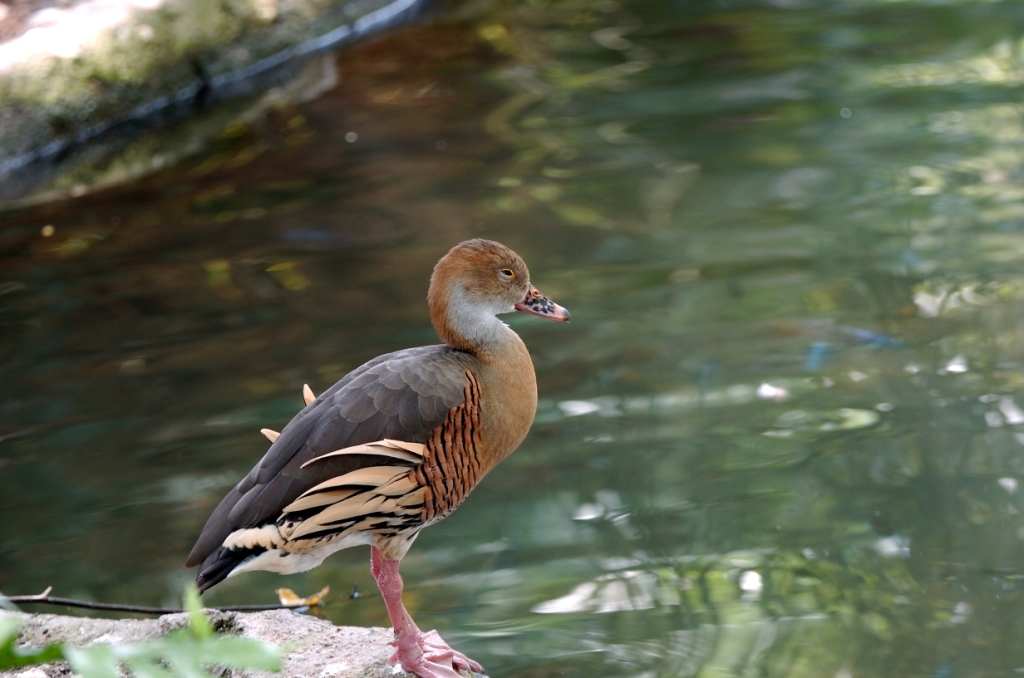
We have seen the Plumed Whistling Duck at Zoo Miami. Pretty birds.

Plumed Whistling Duck (Dendrocygna eytoni) by Lee Zoo Miami

Bible Birds – Holding On With My Feet

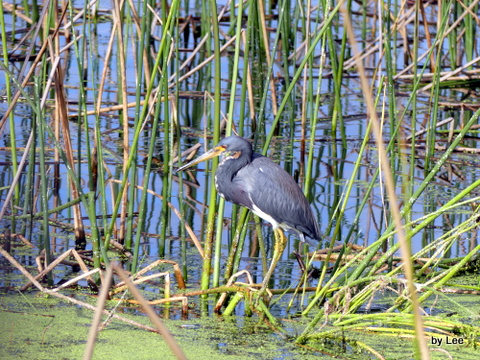
Tricolored Heron (Egretta tricolor) Viera Wetlands 12-26-17

Holding On With My Feet

“I have refrained my feet from every evil way, that I might keep thy word.” (Psalms 119:101 KJV)

Relocated Here

Birdwatching Term – Dabbling Duck

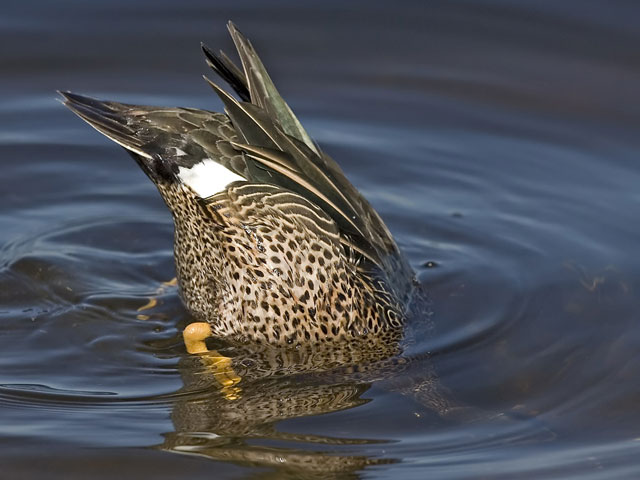
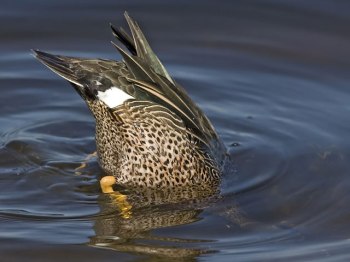
Blue-Winged-Teal-Dabbling ©Flyways USFWS

Blue-Winged-Teal-Dabbling ©Flyways USFWS

Dabbling Duck

What does it mean when a duck “dabbles” or is a “dabbling duck”?

This group of ducks has been so named because its members feed mainly on vegetable matter by upending on the water surface, or grazing, and only rarely dive. These are mostly gregarious ducks of freshwater or estuaries. These birds are strong fliers and northern species are highly migratory. Compared to other types of duck, their legs are placed more towards the centre of their bodies. They walk well on land, and some species feed on land.

Puddle ducks generally feed on the surface of the water or feed on very shallow bottoms. They are not equipped to dive down several feet like their diving counterparts. The most predominant difference between puddle ducks and divers are the size of the feet. A puddle duck’s feet are generally smaller because they do not need the extra propulsion to dive for their forage.

Another distinguishing characteristic of puddle ducks when compared to diving ducks is the way in which they take flight when spooked or are on the move.

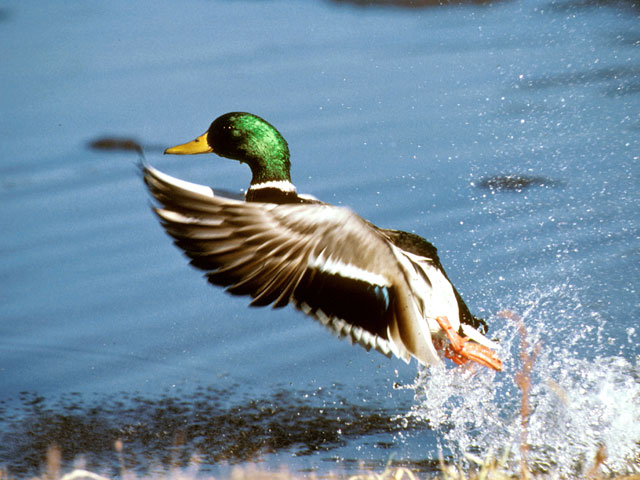
Puddle ducks spring straight up from the water, and diving ducks need to gain momentum to take off, so they must run across the water a short distance to gain flight.

These Ducks belong to the Anatine sub-family of the Swans, Geese, and Duck Family.
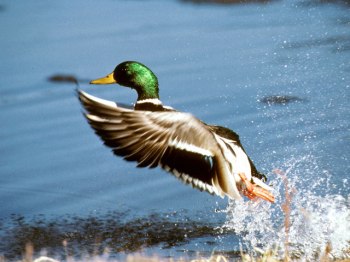
Mallard-Takes-Off ©Flyways USFWS

Mallard-Takes-Off ©Flyways USFWS

For the younger reader:

What does it mean when a duck “dabbles” or is a “dabbling duck”?

They are called that because these ducks feed mainly on vegetable matter (plants) by upending on the water surface (They put their head in the water to eat and their tail section is all that is seen above the water.) or grazing, and only rarely dive.

When they take flight, they spring straight up from the water. The Diving ducks have to sort of run to take-off.

(Wikipedia with editing)

Look at the birds of the air; they neither sow nor reap nor gather into barns, and yet your heavenly Father keeps feeding them. Are you not worth much more than they? (Mat 6:26 AMP)

*

See:

Swans, Geese, and Duck Family.

Dabbling Ducks – Flyways.us

Dabbling Ducks – Wikipedia

More Birdwatching Terms

Wordless Birds

*

Birdwatching Term – Frontal Shield

White-winged Coot (Fulica leucoptera) Cropped ©WikiC

White-winged Coot (Fulica leucoptera) Cropped ©WikiC

Frontal Shield

He shall cover thee with his feathers, and under his wings shalt thou trust: his truth shall be thy shield and buckler. (Psalm 91:4 KJV)

The Coot article mentioned the shield. “Coots have prominent frontal shields or other decoration on the forehead…”

What is a “frontal shield”?

The place above the upper beak (upper mandible) has a plate-like area. It is made of a fleshy material. When the Lord created those birds that have the shield, He gave them each a different looking shield. It is neat to see the variety that the shields have. I am sure that the bird uses them to know which are their kind.

Below are some photos of the various Frontal Shields on the birds. There are more birds that have shield, but this just a sample of these unique birds.

This slideshow requires JavaScript.

“You have also given me the shield of your salvation: and your right hand has held me up, and your gentleness has made me great.” (Psalms 18:35 AKJV)

See:

*


The Burgess Bird Book For Children – Introduction

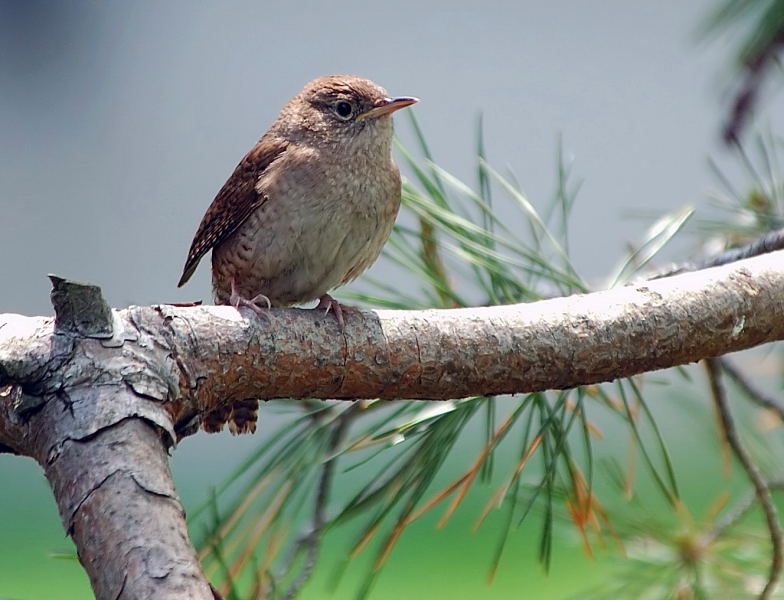
House Wren (Troglodytes aedon) by Ian

House Wren (Troglodytes aedon) by Ian

The Burgess Bird Book For Children

By Thornton W. Burgess

TO THE CHILDREN AND THE BIRDS OF AMERICA THAT THE BONDS OF LOVE AND FRIENDSHIP BETWEEN THEM MAY BE STRENGTHENED THIS BOOK IS DEDICATED


PREFACE

This book was written to supply a definite need. Its preparation was undertaken at the urgent request of booksellers and others who have felt the lack of a satisfactory medium of introduction to bird life for little children. As such, and in no sense whatever as a competitor with the many excellent books on this subject, but rather to supplement these, this volume has been written.

Its primary purpose is to interest the little child in, and to make him acquainted with, those feathered friends he is most likely to see. Because there is no method of approach to the child mind equal to the story, this method of conveying information has been adopted. So far as I am aware the book is unique in this respect. In its preparation an earnest effort has been made to present as far as possible the important facts regarding the appearance, habits and characteristics of our feathered neighbors. It is intended to be at once a story book and an authoritative handbook. While it is intended for little children, it is hoped that children of larger growth may find in it much of both interest and helpfulness.

Mr. Louis Agassiz Fuertes, artist and naturalist, has marvelously supplemented such value as may be in the text by his wonderful drawings in full color. They were made especially for this volume and are so accurate, so true to life, that study of them will enable any one to identify the species shown. I am greatly indebted to Mr. Fuertes for his cooperation in the endeavor to make this book of real assistance to the beginner in the study of our native birds.

It is offered to the reader without apologies of any sort. It was written as a labor of love—love for little children and love for the birds. If as a result of it even a few children are led to a keener interest in and better understanding of our feathered friends, its purpose will have been accomplished.

THORNTON W. BURGESS

CONTENTS

Introduction

  1. Jenny Wren Arrives.  – Introducing the House Wren
  2. The Old Orchard Bully. – The English or House Sparrow.
  3. Jenny Has a Good Word for Some Sparrows. – The Song, White-throated and Fox Sparrows.
  4. Chippy, Sweetvoice, and Dotty. – The Chipping, Vesper and Tree Sparrows.
  5. Peter Learns Something He Hadn’t Guessed. – The Bluebird and the Robin.
  6. An Old Friend In a New Home. – The Phoebe and the Least Flycatcher.
  7. The Watchman of the Old Orchard. – The Kingbird and the Great Crested Flycatcher.
  8. Old Clothes and Old Houses. – The Wood Peewee and Some Nesting Places.
  9. Longbill and Teeter. – The Woodcock and the Spotted Sandpiper.
  10. Redwing and Yellow Wing. – The Red-winged Blackbird and the Golden-winged Flicker.
  11. Drummers and Carpenters. – The Downy, Hairy and Red-headed Woodpeckers.
  12. Some Unlikely Relatives. – The Cowbird and the Baltimore Oriole.
  13. More of the Blackbird Family. – The Orchard Oriole and the Bobolink.
  14. Bob White and Carol the Meadow Lark. – The So-called Quail and the Meadow Lark.
  15. A Swallow and One Who Isn’t. The Tree Swallow and the Chimney Swift.
  16. A Robber in the Old Orchard. – The Purple Martin and the Barn Swallow.
  17. More Robbers. The Crow and the Blue Jay.
  18. Some Homes in the Green Forest. – The Crow, the Oven Bird and the Red-tailed Hawk.
  19. A Maker of Thunder and a Friend in Black. – The Ruffed Grouse and the Crow Blackbird.
  20. A Fisherman Robbed. – The Osprey and the Bald-headed Eagle.
  21. A Fishing Party.The Great Blue Heron and the Kingfisher.
  22. Some Feathered Diggers. – The Bank Swallow, the Kingfisher and the Sparrow Hawk.
  23. Some Big Mouths. – The Nighthawk, the Whip-poor-will and Chuck-wills-widow.
  24. The Warblers Arrive. – The Redstart and the Yellow Warbler.
  25. Three Cousins Quite Unlike. – The Black and White Warbler, the Maryland Yellow-Throat and the Yellow-breasted Chat.
  26. Peter Gets a Lame Neck. – The Parula, Myrtle and Magnolia Warblers.
  27. A New Friend and an Old One. – The Cardinal and the Catbird.
  28. Peter Sees Rosebreast and Finds Redcoat. – The Rose-breasted Grosbeak and the Scarlet Tanager.
  29. The Constant Singers. – The Red-eyed, Warbling and Yellow-throated Vireos.
  30. Jenny Wren’s Cousins. – The Brown Thrasher and the Mockingbird.
  31. Voices of the Dusk. – The Wood, Hermit and Wilson’s Thrushes.
  32. Peter Saves a Friend and Learns Something. – The Towhee and the Indigo Bunting.
  33. A Royal Dresser and a Late Nester. – The Purple Linnet and the Goldfinch.
  34. Mourner the Dove and Cuckoo. – The Mourning Dove and the Yellow-billed Cuckoo.
  35. A Butcher and a Hummer. – The Shrike and the Ruby-throated Hummingbird.
  36. A Stranger and a Dandy. – The English Starling and the Cedar Waxwing.
  37. Farewells and Welcomes. – The Chickadee.
  38. Honker and Dippy Arrive. – The Canada Goose and the Loon.
  39. Peter Discovers Two Old Friends. – The White-breasted Nuthatch and the Brown Creeper.
  40. Some Merry Seed-Eaters. – The Tree Sparrow and the Junco.
  41. More Friends Come With the Snow. – The Snow Bunting and the Horned Lark.
  42. Peter Learns Something About Spooky. – The Screech Owl.
  43. Queer Feet and a Queerer Bill. – The Ruffed Grouse and the Crossbills.
  44. More Folks in Red. – The Pine Grosbeak and the Redpoll.
  45. Peter Sees Two Terrible Feathered Hunters. – The Goshawk and the Great Horned Owl.

Lee’s Addition:

I think you will greatly enjoy this book. Birds and their behaviors are presented in a story, but many birdwatching truths are introduced. Look for questions and Christian principle at the end of the chapters. These are also a good way to read and teach your child or grandchild. Enjoy!

(P.S. – Just found a source for audio for these chapters. They will be attached.)

(The first chapter is being released today)


The Project Gutenberg EBook of The Burgess Bird Book for Children, by Thornton W. Burgess

This eBook is for the use of anyone anywhere at no cost and with almost no restrictions whatsoever. You may copy it, give it away or re-use it under the terms of the Project Gutenberg License included with this eBook or online at http://www.gutenberg.org

Burgess-Bird-Book-for-Children


 Burgess-Bird-Book-for-Children

Savannah Sparrow by Ray    Wordless Birds

*