
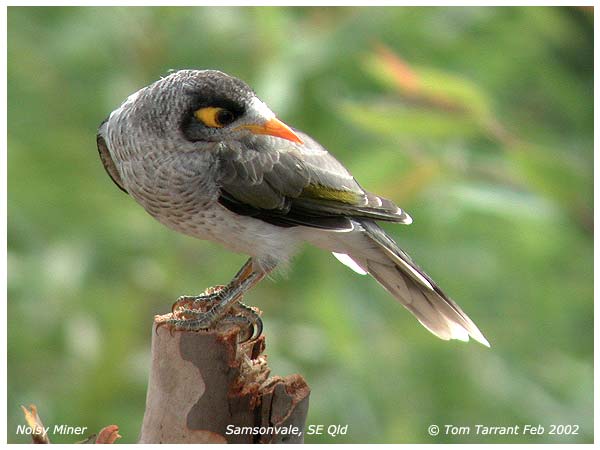
Noisy Miner (Manorina melanocephala) by Tom Tarrant
“Let us come before his presence with thanksgiving, and make a joyful noise unto him with psalms.” (Psalms 95:2 KJV)
Noisy Miner (Manorina melanocephala) by Tom Tarrant
“Let us come before his presence with thanksgiving, and make a joyful noise unto him with psalms.” (Psalms 95:2 KJV)
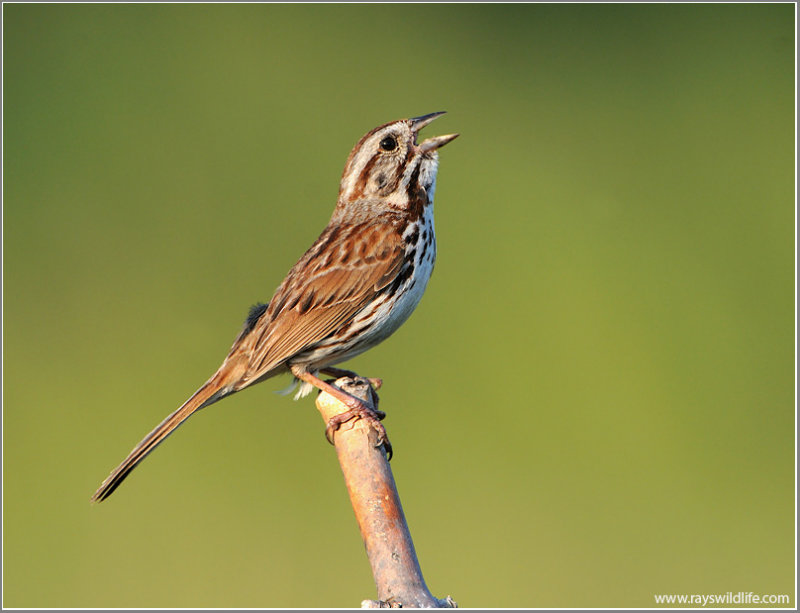
Song Sparrow by Ray – Stoney Creek Ontario Canada
“I will praise the name of God with a song, and will magnify him with thanksgiving.” (Psalms 69:30 KJV)
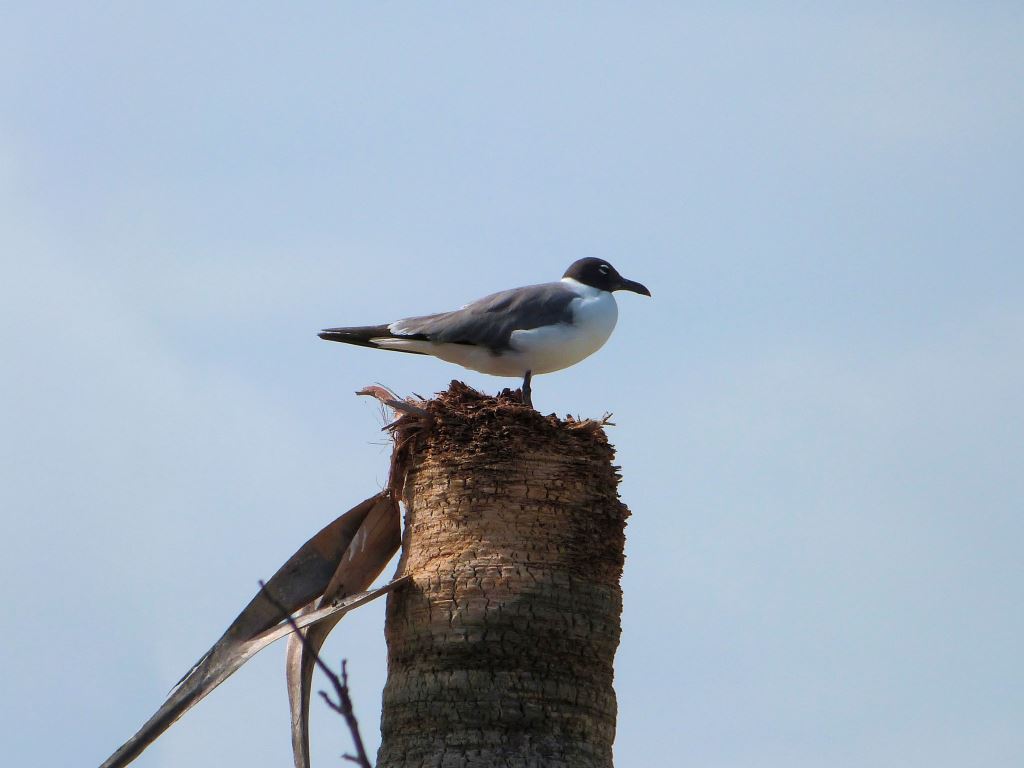
Laughing Gull (Leucophaeus atricilla) by Lee at Honeymoon Island SP
“That I may publish with the voice of thanksgiving, and tell of all thy wondrous works.” (Psalms 26:7 KJV)
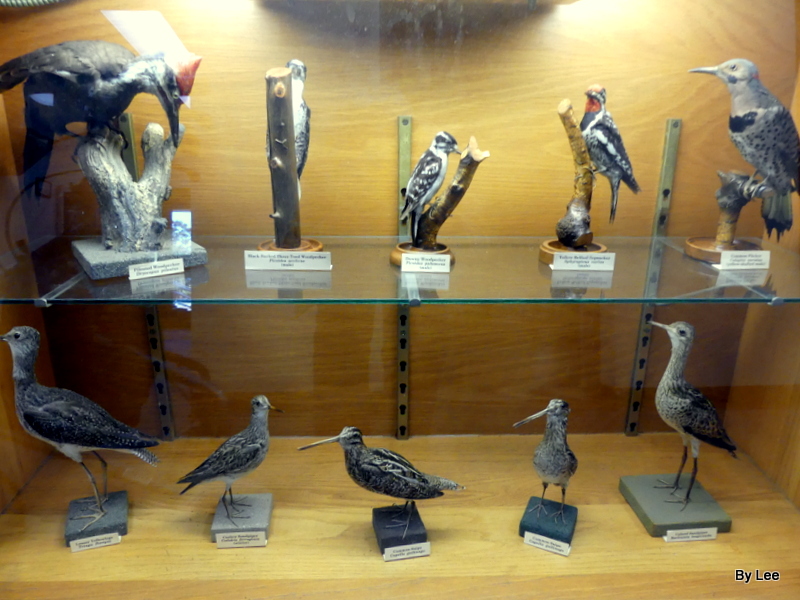
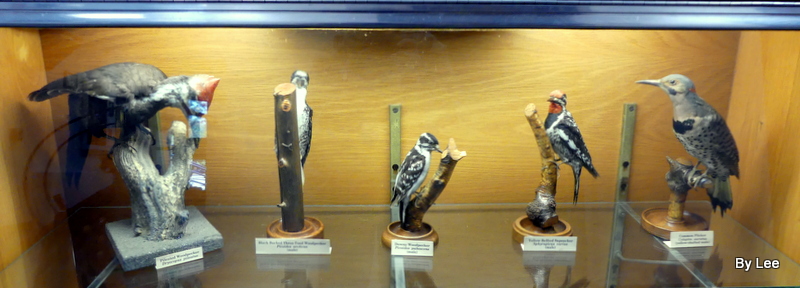
BJU Bird Collection 2018-Display Case 3 – Woodpeckers and Shorebirds
“If a bird’s nest happens to be before you along the way, in any tree or on the ground, with young ones or eggs, with the mother sitting on the young or on the eggs, you shall not take the mother with the young;” (Deuteronomy 22:6 NKJV)
The next Display case of the Waterman Bird Collection contains Woodpeckers from the Picidae family and some shorebirds from the Scolopacidae Family. [Next post]
BJU Bird Collection 2018
– Woodpeckers
This post is about the five Woodpeckers; Pileated Woodpecker (Dryocopus pileatus), Black-backed Three-toed Woodpecker [now the Black-backed Woodpecker (Picoides arcticus)], Downy Woodpecker (Dryobates pubescens), Yellow-bellied Sapsucker (Sphyrapicus varius) and a Common Flicker [now the Northern Flicker (Colaptes auratus).

BJU Bird Collection 2018 Pileated Woodpecker (Dryocopus pileatus)
Pileated Woodpecker (Dryocopus pileatus) “The Pileated Woodpecker is one of the biggest, most striking forest birds on the continent. It’s nearly the size of a crow, black with bold white stripes down the neck and a flaming-red crest. Look (and listen) for Pileated Woodpeckers whacking at dead trees and fallen logs in search of their main prey, carpenter ants, leaving unique rectangular holes in the wood. The nest holes these birds make offer crucial shelter to many species including swifts, owls, ducks, bats, and pine martens.” [Pileated Woodpecker – All About Birds]

BJU Bird Collection 2018 BJU Bird Collection Black-backed Woodpecker (Picoides arcticus)
Downy Woodpecker (Dryobates pubescens) – “The active little Downy Woodpecker is a familiar sight at backyard feeders and in parks and woodlots, where it joins flocks of chickadees and nuthatches, barely outsizing them. An often acrobatic forager, this black-and-white woodpecker is at home on tiny branches or balancing on slender plant galls, sycamore seed balls, and suet feeders. Downies and their larger lookalike, the Hairy Woodpecker, are one of the first identification challenges that beginning bird watchers master.” [Downy Woodpecker – All About Birds]

BJU Bird Collection 2018 Yellow-bellied Sapsucker (Sphyrapicus varius)
Yellow-bellied Sapsucker (Sphyrapicus varius) – “On a walk through the forest you might spot rows of shallow holes in tree bark. In the East, this is the work of the Yellow-bellied Sapsucker, an enterprising woodpecker that laps up the leaking sap and any trapped insects with its specialized, brush-tipped tongue. Attired sharply in barred black-and-white, with a red cap and (in males) throat, they sit still on tree trunks for long intervals while feeding. To find one, listen for their loud mewing calls or stuttered drumming.” [Yellow-bellied Sapsucker – All About Birds]

BJU Bird Collection 2018 Northern Flicker (Colaptes auratus)
Northern Flicker (Colaptes auratus) – “Northern Flickers are large, brown woodpeckers with a gentle expression and handsome black-scalloped plumage. On walks, don’t be surprised if you scare one up from the ground. It’s not where you’d expect to find a woodpecker, but flickers eat mainly ants and beetles, digging for them with their unusual, slightly curved bill. When they fly you’ll see a flash of color in the wings – yellow if you’re in the East, red if you’re in the West – and a bright white flash on the rump.” [Northern Flicker – All About Birds]
*
Previous Woodpecker Posts:
Bird Tales – The Woodpeckers Bird Band
Bible Birds – Woodpecker and Friend’s Store
Woodpeckers – Red-headed Woodpecker
The Woodpeckers – Friend Downy
Wordless Woodpecker – Yellow-Fronted
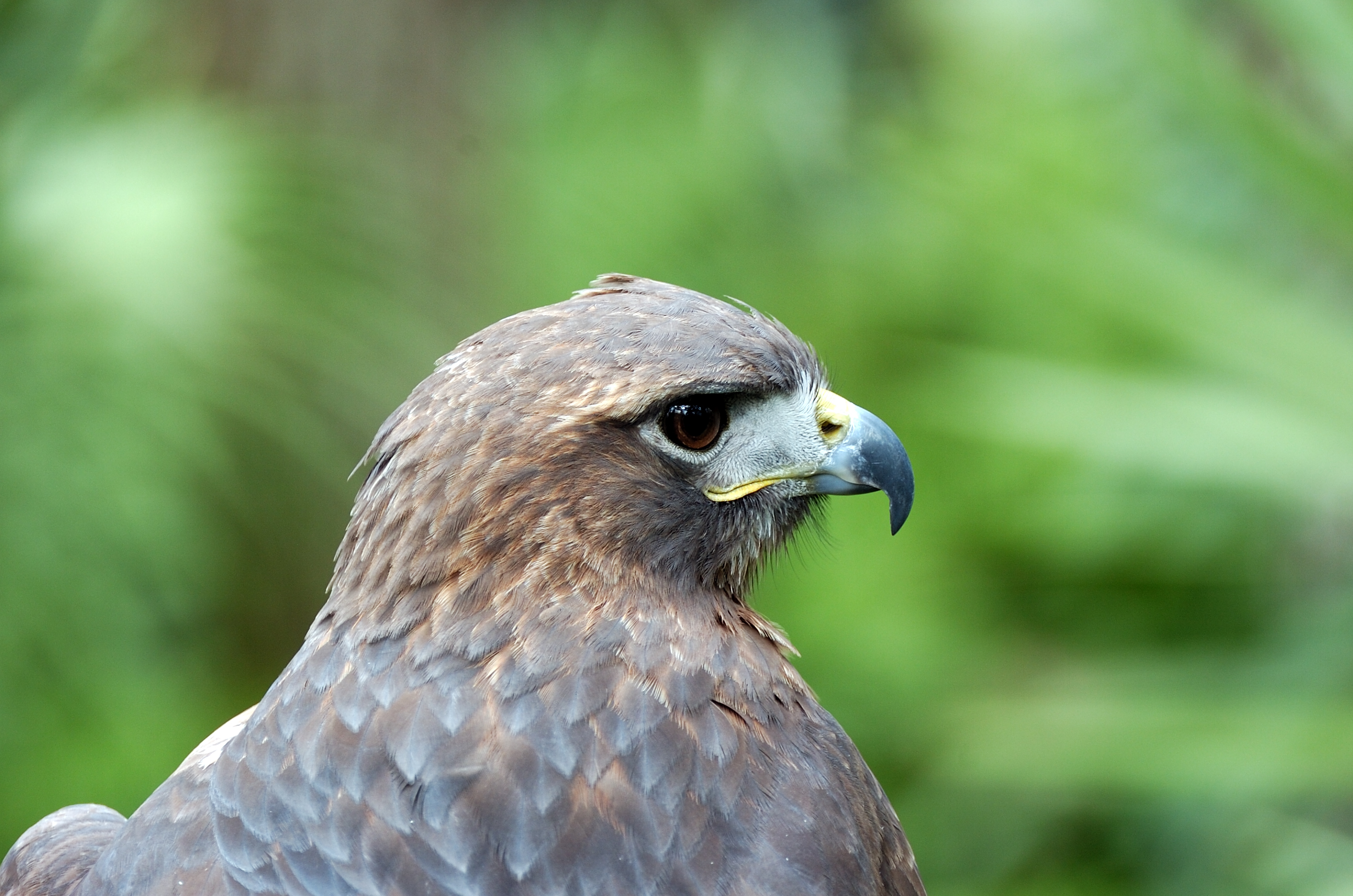
Red-tailed Hawk (Buteo jamaicensis) by Dan (closeup)
“Does the hawk fly by your wisdom, And spread its wings toward the south? (Job 39:26 NKJV)
Today’s Peanut’s cartoon reminds me of the birds we saw at the Jacksonville Zoo recently. It had rained before and it rained while we were visiting.

Woodstock and Rain
“Poor Woodstock.. When he gets wet, he looks like an English Sheep-Bird!” [In case you can’t read it]
“Who does great things, and unsearchable, Marvelous things without number. He gives rain on the earth, And sends waters on the fields.” (Job 5:9-10 NKJV)
In Where Am I Found? – Abdim’s Stork, the first photo showed the stork still wet. Dan just showed me his photo of the Stork, which definitely shows a wet bird hairdo.

Wet Abdim’s Ibis at Jacksonville Zoo by Dan
My photo of this wet Ibis:

Abdim’s Stork (Ciconia abdimii) -Jacksonville Zoo wet
There were a few others that were not up to their normally sleek appearance.
Another wet avian wonder was the Yellow-billed Stork. He was damp, but not as wet as the Abdim’s Stork.

Yellow-billed Stork (Mycteria ibis) Wet at Jacksonville Zoo
Are you taking a picture of me like this when I am not preened?

Yellow-billed Stork (Mycteria ibis) – Jacksonville Zoo
This is why you see so many birds preening. The Roseate Spoonbill was busy straightening and drying its feathers.

Roseate Spoonbill (Platalea ajaja) Preening – Jax Zoo
“Who covers the heavens with clouds, Who prepares rain for the earth, Who makes grass to grow on the mountains. He gives to the beast its food, And to the young ravens that cry.” (Psalms 147:8-9 NKJV)
There were a few others that were not up to their normally sleek appearance.
*
Where Am I Found? – Abdim’s Stork
Some of the Other Jacksonville Zoo articles:
Jacksonville Zoo’s Noisy Stork Tree
Marabou Stork Chicks and Inca Tern at Jacksonville Zoo
Birdwatching at the Jacksonville Zoo by Dan’s Pix
Jacksonville Zoo’s Cape Thick-knee
Birds of the Bible – Black-faced Ibis at Jax Zoo by Dan

Leach’s Storm Petrel (Oceanodroma leucorhoa) BJU Bird Collection 2018
As promised, in Waterman Bird Collection – Part II, here are the last two birds from that display. The Leach’s Storm Petrel and the Crow will now be introduced. Many of you already have heard of a Crow, but how about a Storm Petrel? Let’s see what we can find out about these avian creations from the Creator.
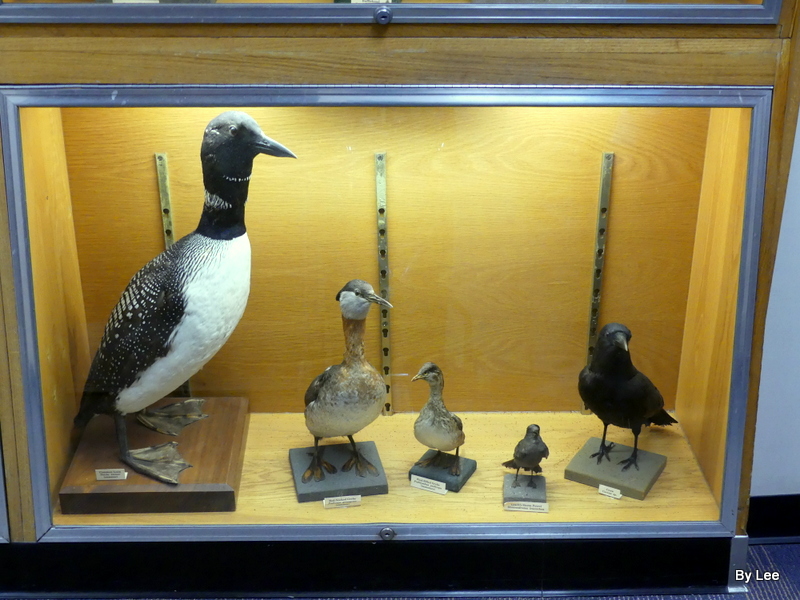
BJU Bird Collection 2018 Bottom Shelf
The two birds today are the two right hand birds in the Display.
The Leach’s Storm Petrel [at the top] is starting to show a tiny bit of deterioration, but considering it’s over 100 years old, it’s not too much.
“The Leach’s Storm Petrel or Leach’s Petrel (Oceanodroma leucorhoa) is a small seabird of the tubenose order. It is named after the British zoologist William Elford Leach. The scientific name is derived from Ancient Greek. Oceanodroma is from okeanos, “ocean” and dromos, “runner”, and leucorhoa is from leukos, “white” and orrhos, “rump”.
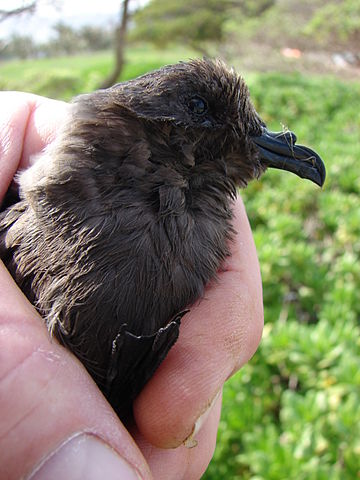
“It breeds on inaccessible islands in the colder northern areas of the Atlantic and Pacific. It nests in colonies close to the sea in well concealed areas such as rock crevices, shallow burrows or even logs. It lays a single white egg which often has a faint ring of spots at the large end. This storm petrel is strictly nocturnal at the breeding sites to avoid predation by gulls and skuas, and will even avoid coming to land on clear moonlit nights. The largest colony of Leach’s storm petrels can be found on Baccalieu Island of eastern Canada, an ecological reserve with more than 3 million pairs of the bird.” [Wikipedia with editing]
Fun Fact: “Flies swiftly, erratically, buoyantly with 1 or 2 fast, powerful flaps followed by glides on wings held well above the horizontal and noticeably kinked; sudden changes of direction impart a bounding quality. Flutters less than other storm-petrels.” [Neotropical Birds]
Drinks salt water – Formed By Him – Sea Birds That Drink Seawater, is an interesting article about Tubenose birds.

American Crow (Corvus brachyrhynchos) BJU Bird Collection 2018
The last bird in the part of the collection is a Crow. It wasn’t shown which one exactly, so we are using the American Crow.
“The American crow (Corvus brachyrhynchos) is a large passerine bird species of the family Corvidae. It is a common bird found throughout much of North America. American crows are the new world counterpart to the carrion crow and the hooded crow. Although the American crow and the hooded crow are very similar in size, structure and behavior, their calls are different. The American crow nevertheless occupies the same role the hooded crow does in Eurasia.”

Florida Fish Crow (Corvus ossifragus) at Lake Morton By Dan’sPix
“From beak to tail, an American crow measures 40–50 cm (16–20 in), almost half of which is tail. Mass varies from about 300 to 600 g (11 to 21 oz). Males tend to be larger than females. The most usual call is CaaW!-CaaW!-CaaW!.’
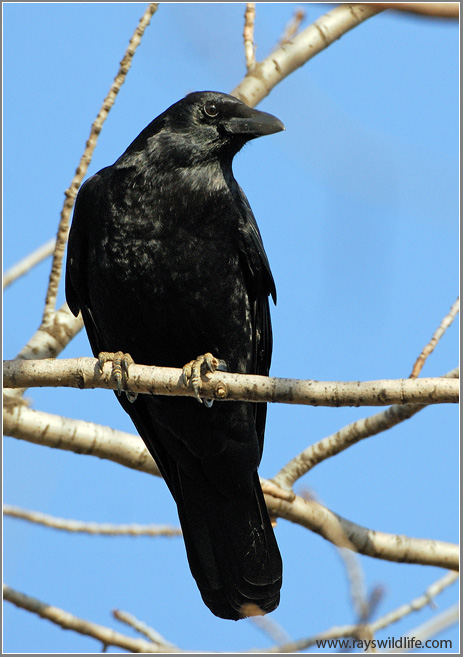
American Crow (Corvus brachyrhynchos) by Ray
“The American crow is all black, with iridescent feathers. It looks much like other all-black corvids. They can be distinguished from the common raven (C. corax) because American crows are smaller and from the fish crow (C. ossifragus) because American crows do not hunch and fluff their throat feathers when they call, and from the carrion crow (C. corone) by the enunciation of their calls.” [American Crow – Wikipedia]
A Cool Fact from American Crows – All About Birds:
*
Here are the links to this Series:
Waterman Bird Collection – Part I.
Waterman Bird Collection – Part II
BJU Bird Collection 2018 Bottom Shelf
The next set of birds from the Waterman Bird Collection at BJU has five specimens. Four of these birds are found in or near water, but the Crow is not really known as a water bird.
This is the bottom shelf display under the Anatidae Family, just above them. That Family was covered in Waterman Bird Collection – Part I. I trust you clicked on the links provided to read more about those avian wonders.

Common Loon (Gavia immer) BJU Bird Collection 2018
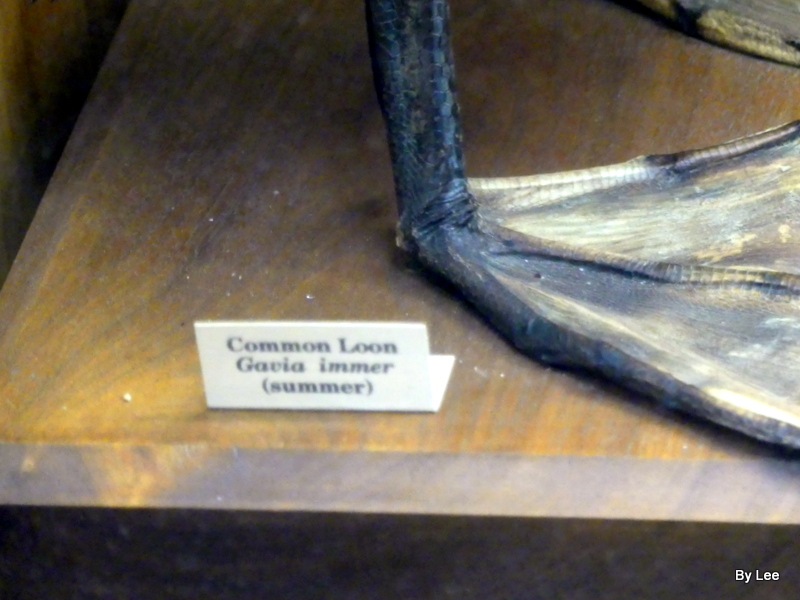
Common Loon (Gavia immer) BJU Bird Collection 2018
Our big tall bird is a Common Loon. “The common loon or great northern diver (Gavia immer) is a large member of the loon, or diver, family of birds. Breeding adults have a plumage that includes a broad black head and neck with a greenish, purplish, or bluish sheen, blackish or blackish-grey upperparts, and pure white underparts except some black on the undertail coverts and vent. Non-breeding adults are brownish with a dark neck and head marked with dark grey-brown. Their upperparts are dark brownish-grey with an unclear pattern of squares on the shoulders, and the underparts, lower face, chin, and throat are whitish. The sexes look alike, though males are significantly larger and heavier than females. During the breeding season, they live on lakes and other waterways in Canada, the northern United States (including Alaska), as well as in southern parts of Greenland and Iceland. Small numbers breed on Svalbard and sporadically elsewhere in Arctic Eurasia. Common loons winter on both coasts of the US as far south as Mexico, and on the Atlantic coast of Europe.

Common Loon by Raymond Barlow
Common loons eat a wide range of animal prey including fish, crustaceans, insect larvae, mollusks, and occasionally aquatic plant life. They swallow most of their prey underwater, where it is caught, but some larger items are first brought to the surface.” Common Loon – Wikipedia
Here is just one of the Cool Facts from Common Loon – All About Birds
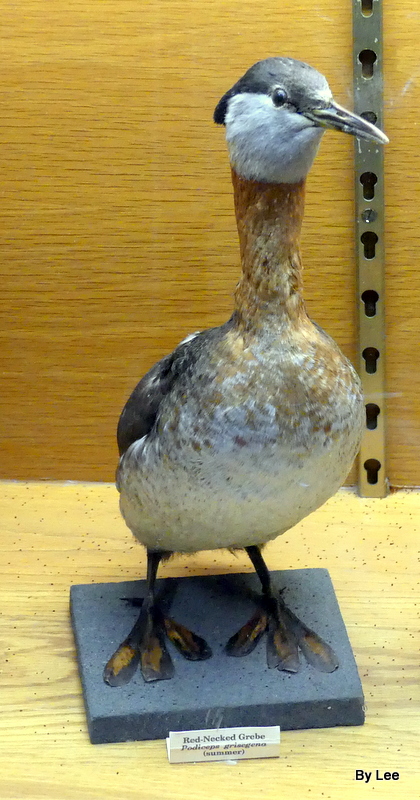
Red-necked Grebe (Podiceps grisegena) BJU Bird Collection 2018
Next to the Loon is a Red-necked Grebe (Podiceps grisegena). “Like all grebes, the Red-necked is a good swimmer, a particularly swift diver, and responds to danger by diving rather than flying. The feet are positioned far back on the body, near the tail, which makes the bird ungainly on land. It dives for fish or picks insects off vegetation; it also swallows its own feathers, possibly to protect the digestive system.” Red-necked Grebes – Wikipedia

Red-necked Grebe (Podiceps grisegena) young on her wing©USFWS
Here is a Cool Fact from Red-necked Grebe – All About Birds

Pied-billed Grebe (Podilymbus podiceps) BJU Bird Collection 2018
The smaller Grebe, next to the Red-necked Grebe, is a Pied-billed Grebe (Podilymbus podiceps) . They both belong to the Podicipedidae Family. Now that is a bird we see often here in Florida.

Pied-Billed Grebe at Lake Hollingsworth, Lakeland, FL by Dan
“The Pied-billed Grebes (Podilymbus podiceps) is a species of the grebe family of water birds. Since the Atitlán grebe (Podilymbus gigas) has become extinct, it is the sole extant member of the genus Podilymbus. The pied-billed grebe is primarily found in ponds throughout the Americas. Other names of this grebe include American dabchick, dabchick, Carolina grebe, devil-diver, dive-dapper, dipper, hell-diver, pied-billed dabchick, pied-bill, thick-billed grebe, and water witch.”
Pied-billed Grebes are small, stocky, and short-necked. They are mainly brown, with a darker crown and back. Their brown color serves as camouflage in the marshes they live in. They do not have white under their wings when flying, like other grebes. Their undertail is white and they have a short, blunt chicken-like bill that is a light grey color, which in summer is encircled by a broad black band (hence the name). In the summer, its throat is black.” Pied-billed grebe – Wikipedia [with editing]
A Cool Fact about this from Pied-billed Grebe – All About Birds
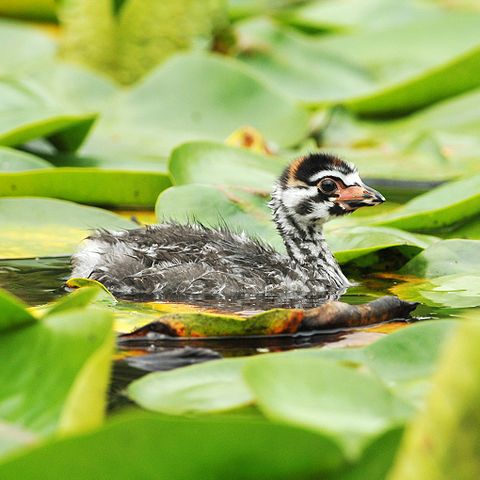
Pied-billed Grebe (Podilymbus podiceps) chick ©WikiC
We will check out the other two birds in the display case next.
I trust you will enjoy meeting the various birds through this series. The links provided give much more information, and photos of these species.
“The works of the LORD are great, Studied by all who have pleasure in them.” (Psalms 111:2 NKJV)
Podicipedidae – Grebes – Family

BJU Waterman Bird Collection 2018
In Huge Bugs and Critters, the Waterman Bird Collection, in the Science building, was introduced. This post will start introducing you to these wonderfully preserved specimens of birds that lived over a hundred years ago.

BJU Bird Collection 2018
At first, it bothered me about the use of birds in this manner, even though many museums have displays of birds. Yet, when you look back 100 plus years, they didn’t have the technology, nor the modern color cameras or slow motion videos to capture images of them.

How to study birds, a practical guide (1910) Black and White Photos ©WikiC
John Audubon did excellent drawings, with detailed colors. He studied live birds and specimens to discover their designs and colors.
“John James Audubon’s Birds of America is a portal into the natural world. Printed between 1827 and 1838, it contains 435 life-size watercolors of North American birds (Havell edition), all reproduced from hand-engraved plates, and is considered to be the archetype of wildlife illustration.” Birds of America
When the Lord first created the birds, there were no specimens until sin entered. How must those first birds have appeared? Photos, movies, and even specimens would have given us quite a sight. Today, we have fossils, but they do not show the beautiful feathers and features that those original avian wonders must have been adorned with.
“So God created great sea creatures and every living thing that moves, with which the waters abounded, according to their kind, and every winged bird according to its kind. And God saw that it was good. And God blessed them, saying, “Be fruitful and multiply, and fill the waters in the seas, and let birds multiply on the earth.” So the evening and the morning were the fifth day.” (Genesis 1:21-23 NKJV)

Common Eider, Bufflehead, and Canada Goose
The birds in the right hand side of the display above is where we will begin. On the top shelf is an Eider, a Bufflehead and a Goose. It is nice to see them together to get a size perspective. All of these three birds are in the Anatidae Family.

Common Eider (Somateria mollissima) BJU Bird Collection 2018
The Common Eider (pronounced /ˈaɪ.dər/) (Somateria mollissima) is a large (50–71 cm (20–28 in) in body length) sea-duck that is distributed over the northern coasts of Europe, North America and eastern Siberia. It breeds in Arctic and some northern temperate regions, but winters somewhat farther south in temperate zones, when it can form large flocks on coastal waters. It can fly at speeds up to 113 km/h (70 mph) Part of the Anatidae Family. Common Eider – Wikipedia and a Cool Fact from All About Birds

Bufflehead (Bucephala albeola) BJU Bird Collection 2018
The Bufflehead (Bucephala albeola) is a small sea duck of the genus Bucephala, the goldeneyes. This species was first described by Linnaeus in his Systema naturae in 1758 as Anas albeola.
The genus name is derived from Ancient Greek boukephalos, “bullheaded”, from bous, “bull ” and kephale, “head“, a reference to the oddly bulbous head shape of the species. The species name albeola is from Latin albus, “white”. The English name is a combination of buffalo and head, again referring to the head shape. This is most noticeable when the male puffs out the feathers on the head, thus greatly increasing the apparent size of the head. Bufflehead – Wikipedia, and a Cool Fact from Bufflehead – All About Birds

Canada Goose (Branta canadensis) BJU Bird Collection 2018
The photo shows how much larger the Goose is than the Bufflehead.
The Canada Goose (Branta canadensis) is a large wild goose species with a black head and neck, white cheeks, white under its chin, and a brown body. Native to arctic and temperate regions of North America, its migration occasionally reaches northern Europe. It has been introduced to the United Kingdom, New Zealand, Argentina, Chile, and the Falkland Islands. Like most geese, the Canada goose is primarily herbivorous and normally migratory; it tends to be found on or close to fresh water. Canada Goose Canada Goose – Wikipedia and a Cool Fact from Canada Goose – All About Birds
I trust you will enjoy meeting the various birds through this series. The links provided give much more information, and photos of these species.
“The works of the LORD are great, Studied by all who have pleasure in them.” (Psalms 111:2 NKJV)
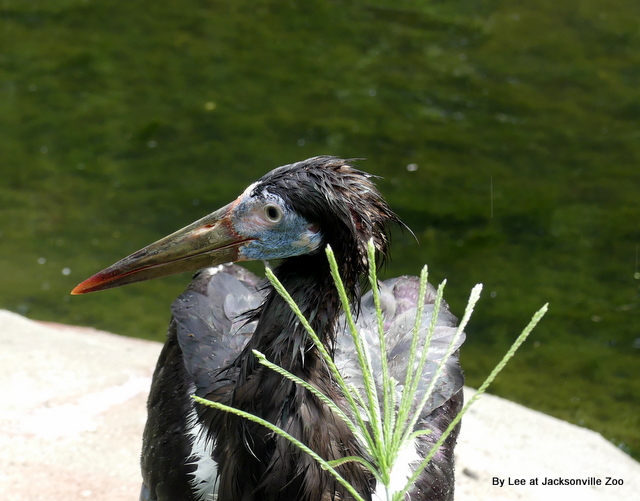
Abdim’s Stork (Ciconia abdimii) Jax Zoo
“And I set my heart to seek and search out by wisdom concerning all that is done under heaven;” (Ecclesiastes 1:13a NKJV)
In the article – Where Am I Found – Tawny Frogmouth, you were to find out about the Tawny Frogmouth. Did you find out that they live in ?????. If not, go to that post and find out about this amazing Avian Wonder from the Creator.
The next amazing Avian Wonder from the Creator was the Wrinkled Hornbill (Aceros corrugatus). I found these at the zoo. Did you answer those questions?
At the Jacksonville Zoo, October 8th, we watched a rain soaked Abdim’s Stork (Ciconia abdimii), also known as a White-bellied Stork. He, along with his zoo friends, had endured a rainstorm before we arrived. He was also rained on, along with us, later. Not one of my favorite zoo visits, but we always enjoy seeing God’s Avian Creations, whether they are wet or dry.

Abdim’s Stork (Ciconia abdimii) Jax Zoo 10-8-2018
If you wanted to watch an Abdim’s Stork, where would you go? Yes, you can find them at the Jacksonville Zoo in Melbourne, Florida. But those storks are captive.
Where are Wrinkled Hornbills found in the wild? Clue: you would need to travel to an area that gets lots of rain.
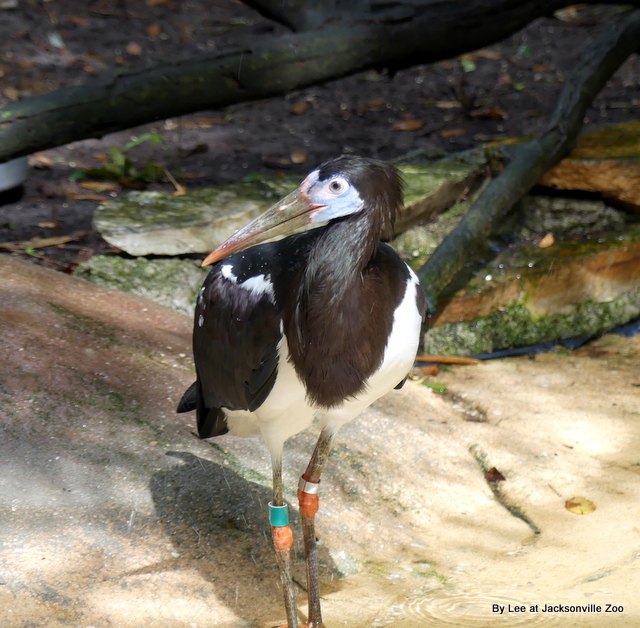
Abdim’s Stork (Ciconia abdimii) Jax Zoo
“The Abdim’s stork (Ciconia abdimii), also known as white-bellied stork, is a black stork with grey legs, ??? knees and feet, grey bill and white underparts. It has red facial skin in front of the eye and blue skin near the bill in breeding season. It is the smallest species of stork, at 73 cm (29 in) and a weight of just over 1 kg (2.2 lbs). The female lays two to three eggs and is slightly smaller than the male.
The Abdim’s stork is found in open habitats throughout ????. Its diet consists mainly of ???, ??? and other large insects, although the birds will also eat small ???????. The Abdim’s stork has escaped or been deliberately released in to Florida, USA, but there is no evidence that the population is breeding and may only persist due to continuing releases or escapes.” Abdin’s Stork – Wikipedia
So where is ?????? Your challenge is to find out by searching.
“With all my wisdom I tried to understand everything that happens here on earth. And God has made this so hard for us humans to do.” (Ecclesiastes 1:13 CEV)
I still think this verse is telling us that, God the Creator, just wants us to make an effort. Yes, it takes a little effort, but when you find the answers, your understanding has just been increased.
Also can you answer these questions?
Search these articles:
Abdin’s Stork at Jacksonville Zoo
Abdin’s Stork – Sea World Article
Abdin’s or White-bellied Stork – Beauty of Birds
*

Crested Caracara – Brevard Zoo 9-22-2018 by Lee
“And I set my heart to seek and search out by wisdom concerning all that is done under heaven;” (Ecclesiastes 1:13a NKJV)
In the article – Where Am I Found – Tawny Frogmouth, you were to find out about the Tawny Frogmouth. Did you find out that they live in ?????. The next article, Where Am I Found – Wrinkled Hornbill, did you also answer those questions?
Where are Caracaras found in the wild? Clue: I wouldn’t have to travel very far at all.

Crested Caracara Brevard Zoo 9-22-2018 by Lee
This Crested Caracara has an injured wing and stays at the Brevard Zoo, yet on the way to the zoo, we find them along the way sitting on power lines. Florida is one of the two states in the United States that has Caracaras in the wild. What is the other state? What other places do Crested Caracaras live?
Your challenge is to find out by searching.
“With all my wisdom I tried to understand everything that happens here on earth. And God has made this so hard for us humans to do.” (Ecclesiastes 1:13 CEV)
I think this verse is telling us that, God the Creator, just wants us to make an effort. Yes, it takes a little effort, but when you find the answers, your understanding has just been increased.
Here is a video from the Brevard Zoo:
Also can you answer these questions?
Search these articles:
Caracara – Brevard Zoo
Crested Caracara – All About Birds
Crested Caracara – Audubon [They add one more state]
Crested Caracara – HBW Alive
Caracara – Wikipedia
*
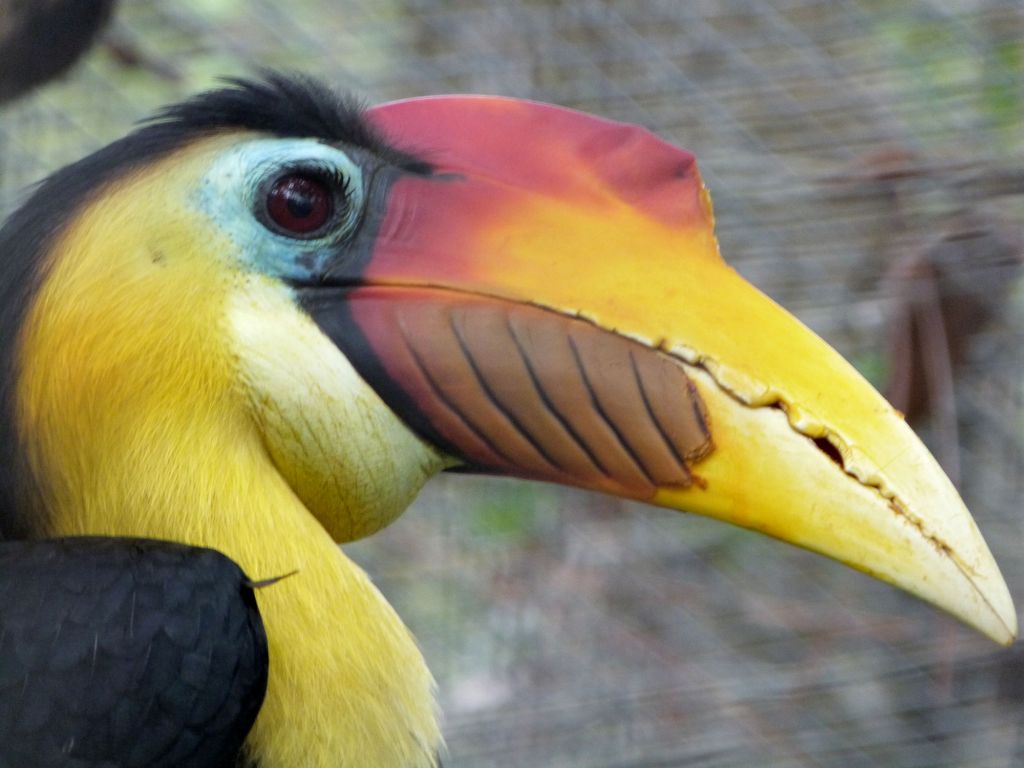
Wrinkled Hornbill (Aceros corrugatus) by Lee at Brevard Zoo
“And I set my heart to seek and search out by wisdom concerning all that is done under heaven;” (Ecclesiastes 1:13a NKJV)
In the article – Where Am I Found – Tawny Frogmouth, you were to find out about the Tawny Frogmouth. Did you find out that they live in ?????. If not, go to that post and find out about this amazing Avian Wonder from the Creator.
Today’s amazing Avian Wonder from the Creator is the Wrinkled Hornbill (Aceros corrugatus). I found these at the zoo.
If you wanted to watch a Wrinkled Hornbill, where would you go? Yes, you can find them at the Brevard Zoo in Melbourne, Florida. But those Hornbills are captive.
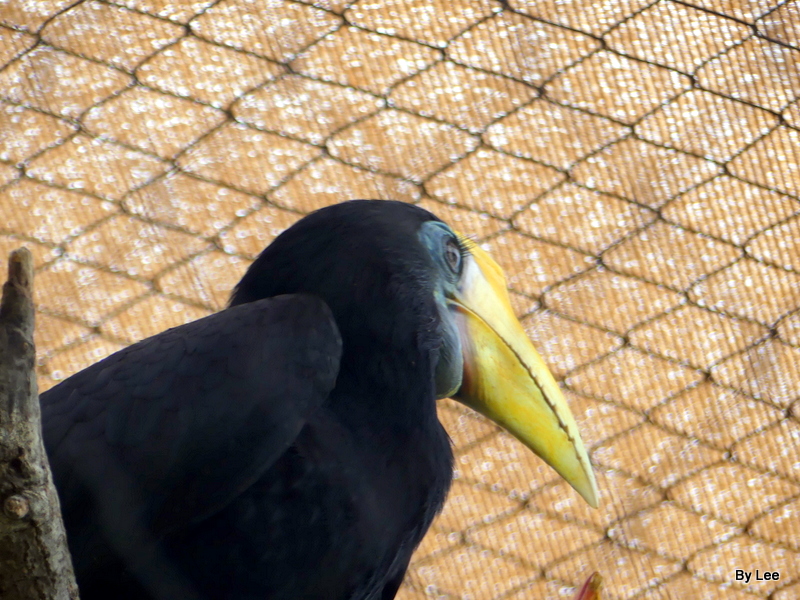
Wrinkled Hornbill Female – Brevard Zoo by Lee
Where are Wrinkled Hornbills found in the wild? Clue: you would need to travel to an area that gets lots of rain.
“The male Sunda Wrinkled hornbill [another name for this bird] has a deep yellow bill with a ??? base, and a wrinkled ??? or ???? casque. The male’s eyes are surrounded by a rim of light ???? skin, while the sides of the head, upper breast and tail are ????, and the neck is bright ????.” What are those colors? [From Arkive – Hornbill]
So where is ?????? Your challenge is to find out by searching.
“With all my wisdom I tried to understand everything that happens here on earth. And God has made this so hard for us humans to do.” (Ecclesiastes 1:13 CEV)
I think this verse is telling us that, God the Creator, just wants us to make an effort. Yes, it takes a little effort, but when you find the answers, your understanding has just been increased.
Also can you answer these questions?
Search these articles:
Wrinkled Hornbill – Brevard Zoo
Wrinkled Hornbill – Wikipedia
*


 Birds of the Bible For Kids
