Bible Birds – Sandhill Cranes In The Yard

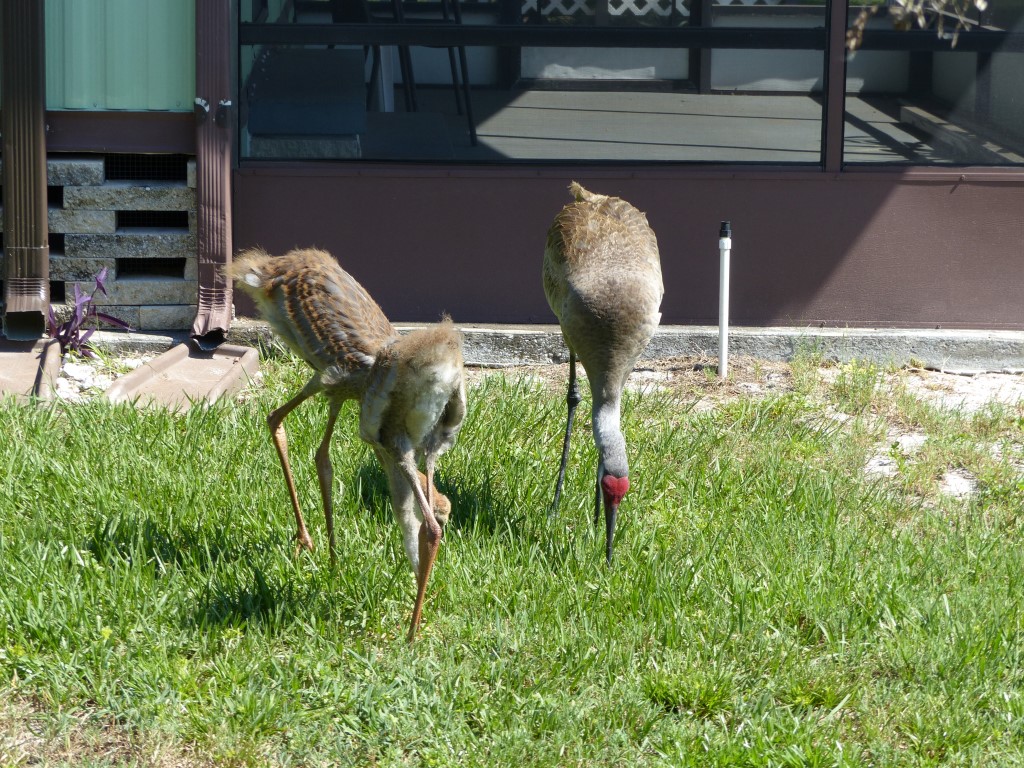
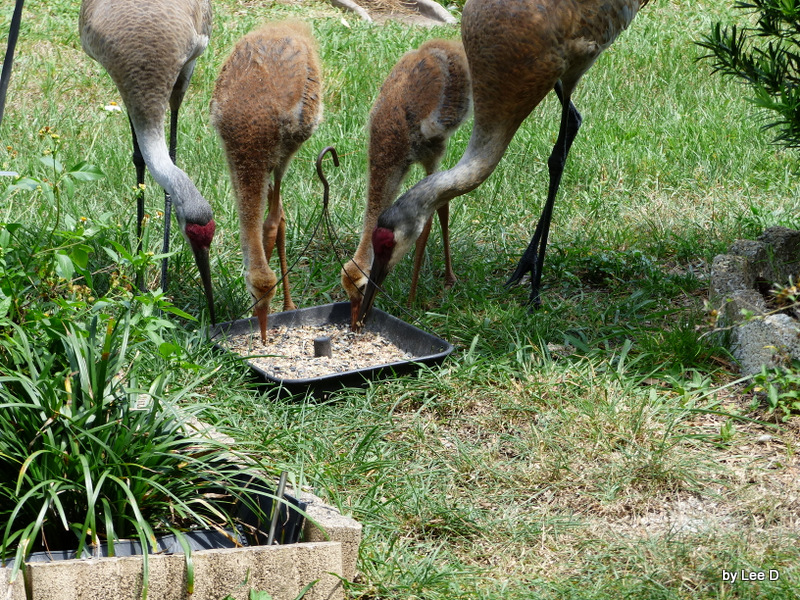
Sandhill Cranes (Grus canadensis) in Sideyard May 1, 2015, by Lee

Like a crane or a swallow, so I chattered; I mourned like a dove; My eyes fail from looking upward. O LORD, I am oppressed; Undertake for me! (Isaiah 38:14 NKJV)

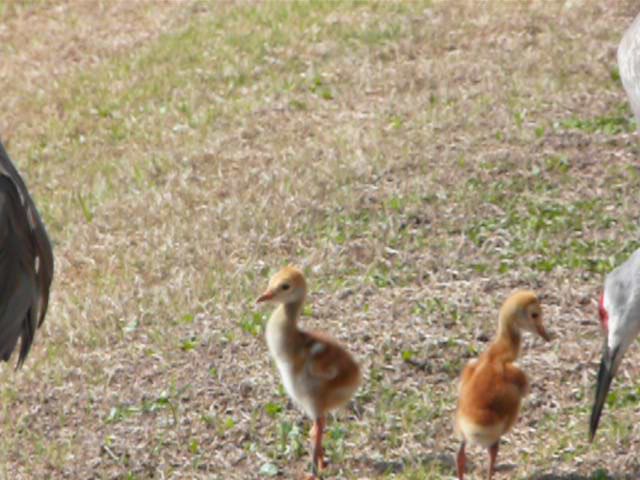
Sandhill Crane “Colts” Taken across the street in our community pond.

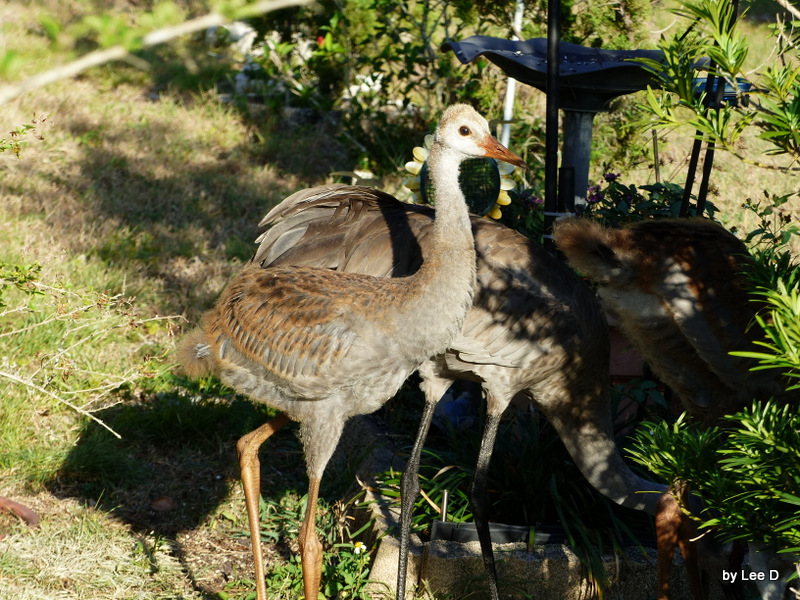
Over the years we have lived here in Central Florida, we have been visited by Sandhill Cranes and their little ones. They are called “colts” when they are young. The ones in the above picture would be considered “juveniles.”

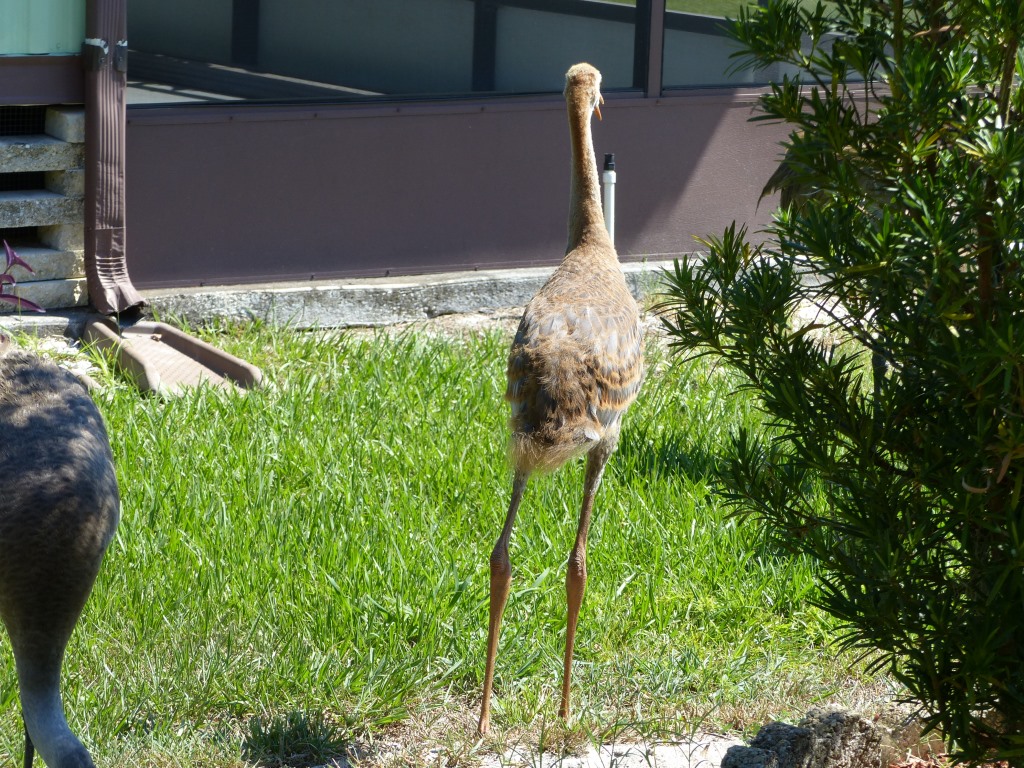
Leaving

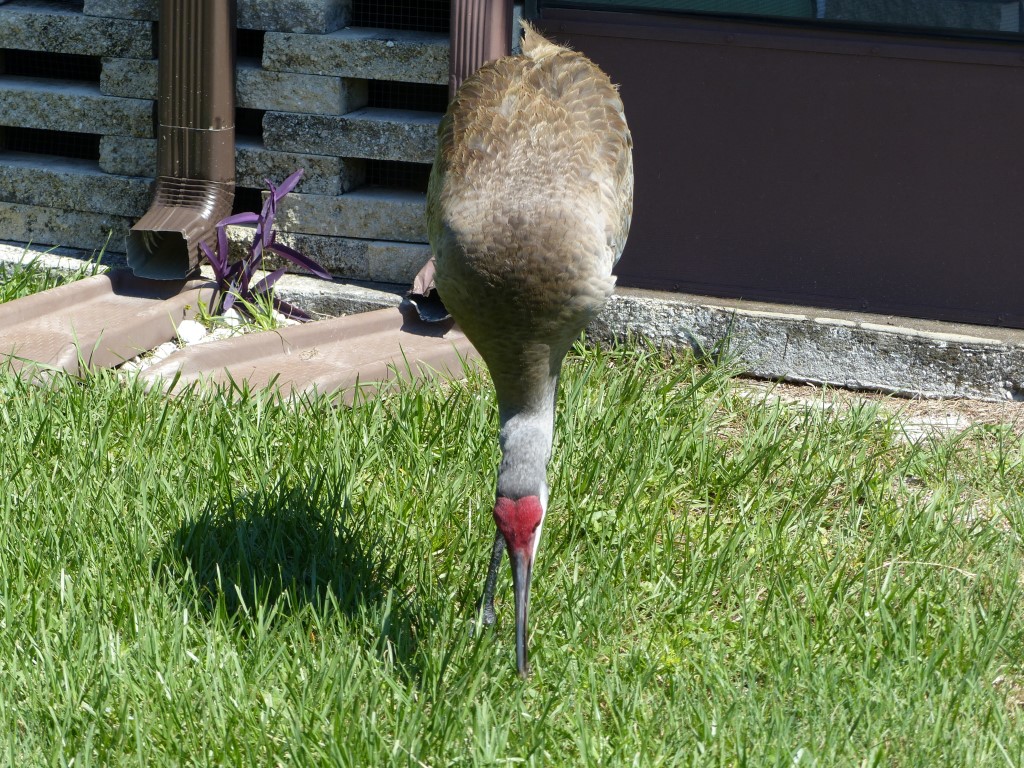
It is enjoyable to watch them mature and eventually become red on the top.

Sandhill Cranes in Sideyard 5-1-15 by Lee

We are not “technically” supposed to feed them, but yet we can feed all the other birds. So how do you keep them out of your feeders. Hide them? No. The Lord made all of His creatures and promised to see that they are fed.

Oh, My, The feeder is down.

My flat feeders hang about 18 inches above the ground and Sandhill Cranes [adults] stand about:

SIZE: Body, 31.5 to 47.2 in; wingspan, 5 to 6 ft”

WEIGHT: 6.5 to 14 lbs

AVERAGE LIFE SPAN IN THE WILD: 20 years (Natl Geo)

Sandhill Cranes with Youngsters 4-26-16

See More:

ABC’s of the Gospel

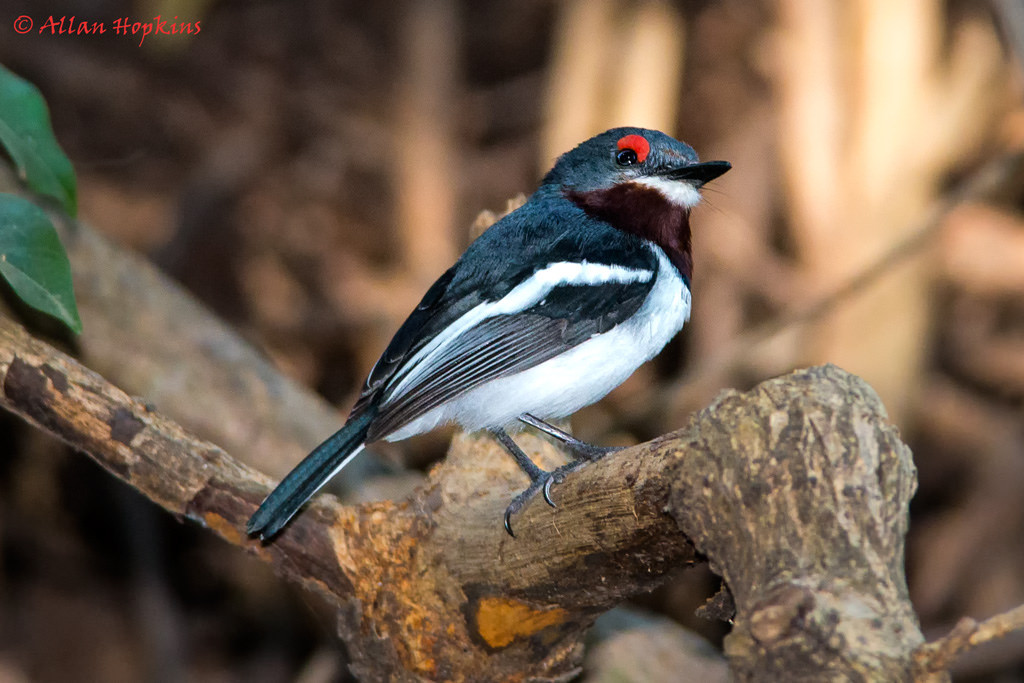
God’s Recipe for the Brown-throated Wattle-eye

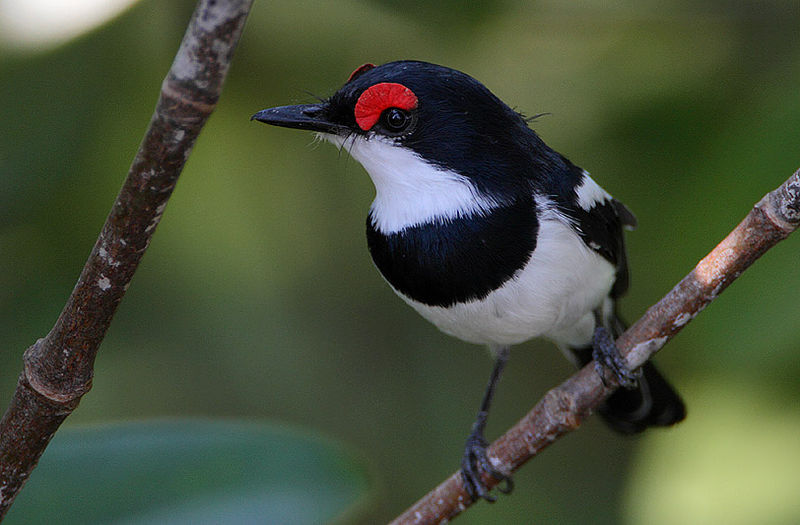
Brown-throated Wattle-eye (Platysteira cyanea) Male ©WikiC

“In the beginning God created the heaven and the earth.” (Genesis 1:1 KJV)

The Family Circus Artist surely came up with a great truth in this one. God’s “recipe” was Creation. His [God’s] wisdom is evident in all of his creation, especially the birds.

Family Circus – God’s good recipe

Here is the Brown-throated Wattle-eye that is a beauty.

Brown-throated Wattle-eye (Platysteira cyanea) Male ©Flickr Isidro Vila Verde

The Brown-throated Wattle-eye (Platysteira cyanea), also known as the common wattle-eye or scarlet-spectacled wattle-eye, is a small, insectivorous passerine bird. The wattle-eyes were previously classed as a subfamily of the Old World flycatcher family Muscicapidae, but are now usually separated from that group.

This species breeds in west, central and northeast tropical Africa. This common species is found in secondary forest and other woodland areas, including gardens. The eggs are laid in a small neat lichen and cobweb cup low in a tree or bush.

The adult brown-throated wattle-eye is a stout bird about 14 cm (5.5 in) long. The breeding male has glossy black upperparts, and white underparts with a neat black breast band. There is a strong white wingbar, and fleshy red wattles above the eye.

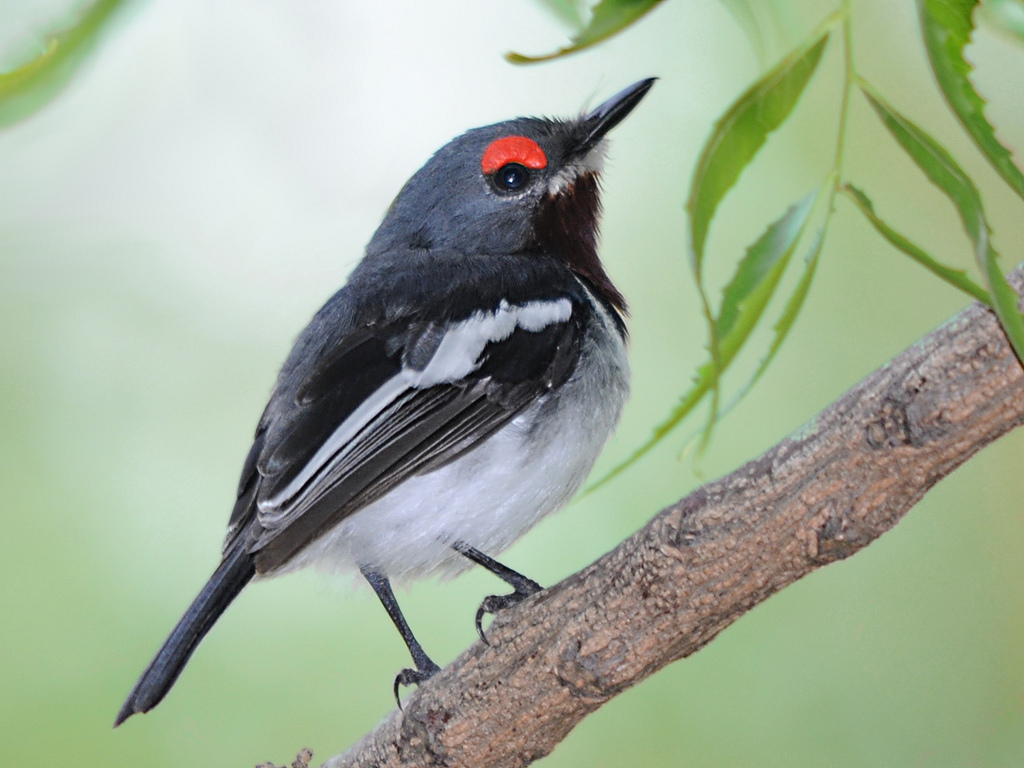
Brown-throated Wattle-eye (Platysteira cyanea) Male ©Flickr Allan Hopkins

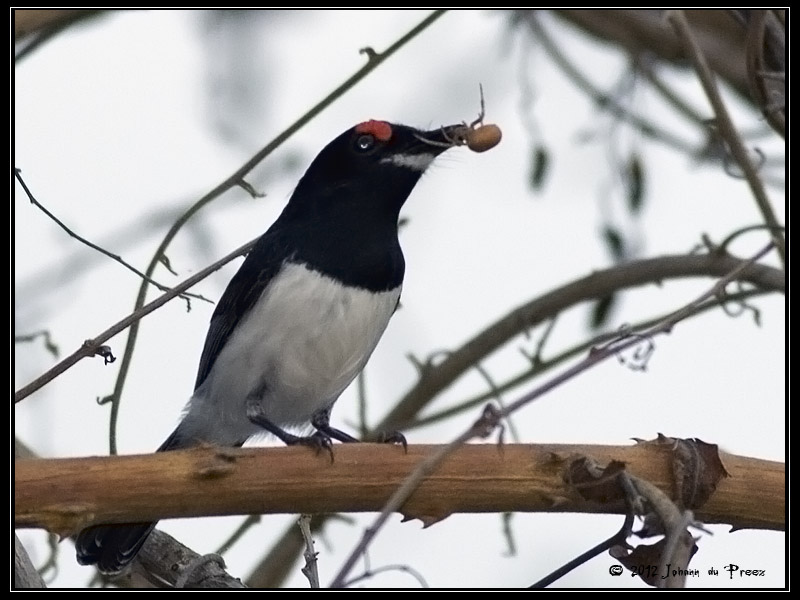
The females are grey-black above, and also have the white wing bar and red wattles. There is a small patch of white below the bill, and the throat and breast are maroon, separated from the white belly by the black breast band. Young males are washed-out, greyer versions of the female.

Black-throated Wattle-eye (Platysteira peltata) Female ©Flickr Johann du Preez

These active insect-eating birds are found in pairs or small groups. The ringing call of the brown-throated wattle-eye is a very characteristic six note doo-dd-dum-di-do-do.

“Remember now thy Creator in the days of thy youth,” (Ecclesiastes 12:1aKJV)

*** Survey – Should this become a series to introduce some of the special Avian Wonders from the Lord? ***

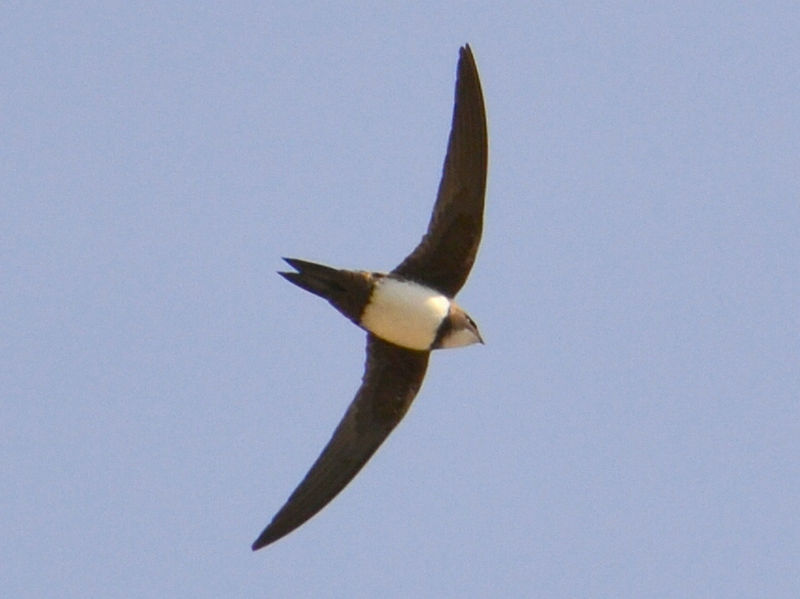
Bible Birds – Swift Introduction

Bible Birds – Swift Introduction

Alpine Swift (Tachymarptis melba) ©WikiC

Alpine Swift (Tachymarptis melba) ©WikiC

“Even the stork in the sky Knows her seasons; And the turtledove and the swift and the thrush Observe the time of their migration; But My people do not know The ordinance of the LORD.” (Jeremiah 8:7 NASB)

RELOCATED HERE

Bible Birds – Pelican Introduction

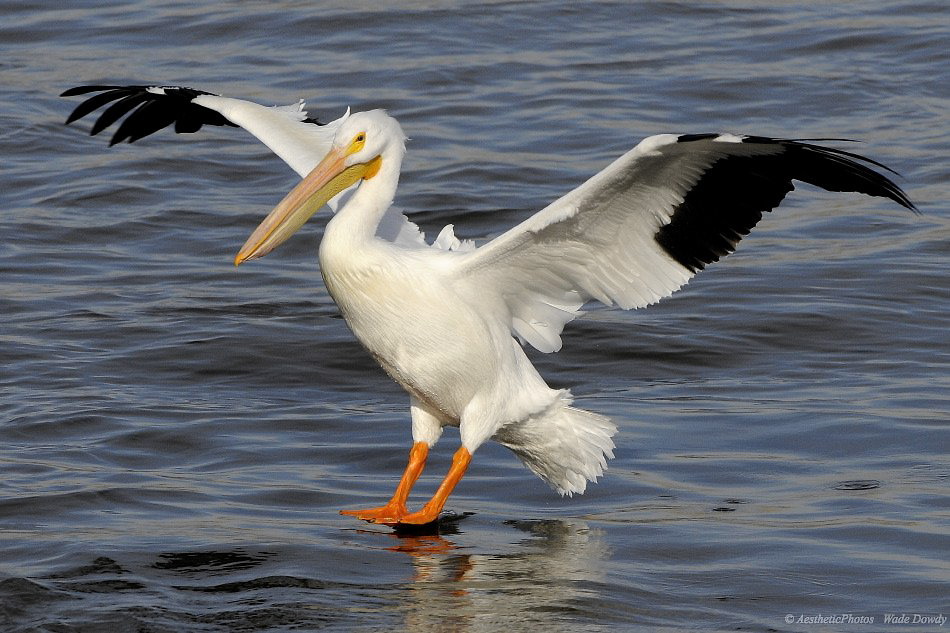
American White Pelican (Pelecanus erythrorhynchos) by AestheticPhotos

American White Pelican (Pelecanus erythrorhynchos) by AestheticPhotos

“And the swan, and the pelican, and the gier eagle,” (Leviticus 11:18 KJV)

Bible Birds – Pelican Introduction

Relocated Here

Bible Birds – Storks at Zoo Tampa

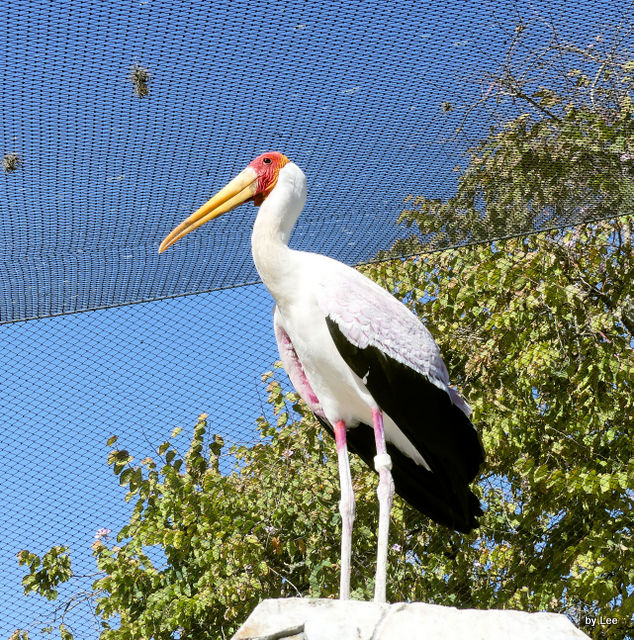
Yellow-billed Stork (Mycteria ibis) LPZ

“Where the birds make their nests: as for the stork, the fir trees are her house.” (Psalms 104:17 KJV)

Bible Birds – Storks at Zoo Tampa

Relocated Here


Tiny Owl and Giant Shepherd Dog

“A man who has friends must himself be friendly, But there is a friend who sticks closer than a brother.” (Proverbs 18:24 NKJV)

The Lord created these two types of critters, an owlet and a German Shepherd, and He cares much about them.

God created men and women, boys and girls, who are different from these critters, and He provides salvation for us. He is that Friend who sticks closer than a brother.

Bible Birds – Owls

ABC’s of the Gospel

*

Bible Birds – Sea Gull Introduction

Bible Birds – Sea Gulls Introduction

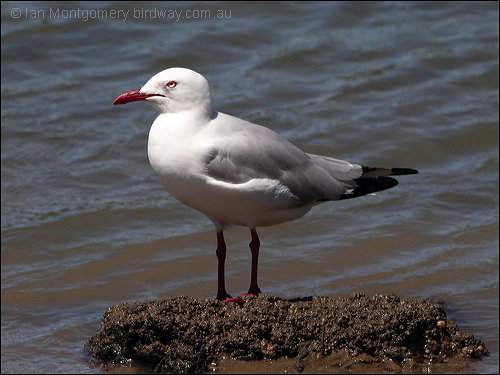
Silver Gull (Chroicocephalus novaehollandiae) by Ian

Bible Birds – Sea Gulls

“the ostrich, the short-eared owl, the sea gull, and the hawk after its kind;” (Leviticus 11:16 NKJV)

“and the ostrich, and the night-hawk, and the sea-mew, and the hawk after its kinds;” (Leviticus 11:16 JPS)

Relocated Here


Bible Birds – Quail Introduction

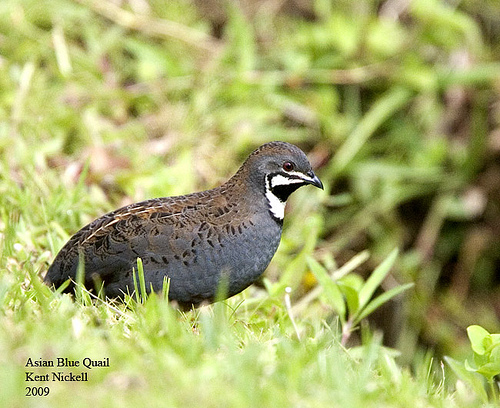
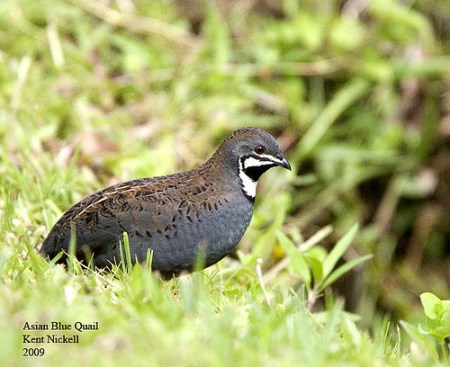
King Quail (Excalfactoria chinensis) Asian Blue by Kent Nickel

King Quail (Excalfactoria chinensis) Asian Blue by Kent Nickel

The Quail is a bird that is mentioned in the Bible in four verses. All the verses tell about the time when the Israelites, in the desert, complained about missing the things that they ate back in Egypt. The LORD was tired of the complaining and sent them some Quail to eat.

Now, are we supposed to complain or grumble about things not going our way? No! Sometimes we do it anyway and the results aren’t what we expected. This is what happened to the Israelites.

“And there went forth a wind from the LORD, and brought quails from the sea, and let them fall by the camp, as it were a day’s journey on this side, and as it were a day’s journey on the other side, round about the camp, and as it were two cubits high [almost 3 feet high] upon the face of the earth. And the people stood up all that day, and all that night, and all the next day, and they gathered the quails: he that gathered least gathered ten homers: and they spread them all abroad for themselves round about the camp.” (Numbers 11:31-32 KJV)

Have you ever eaten something, and then kept eating more, and then more? You should have stopped after the first part, right? This is what they did, sort of. The LORD gave them food, but they ate too much. Have you ever eaten too much and then became sick?

These people became sick and many of them died. It is sin that caused these Israelite to complain and not trust the Lord to take care of their needs. No, you are not going to get sick every time you complain, but you will make your parents and the Lord unhappy. Learn to obey your parents. “Children, obey your parents in all things: for this is well pleasing unto the Lord.” (Colossians 3:20 KJV)
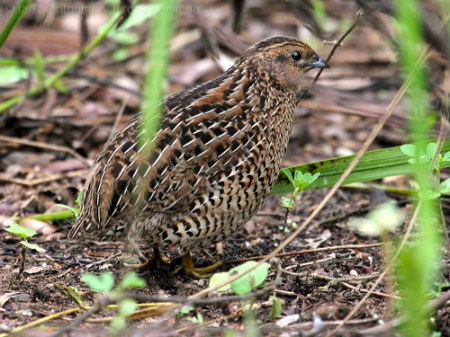
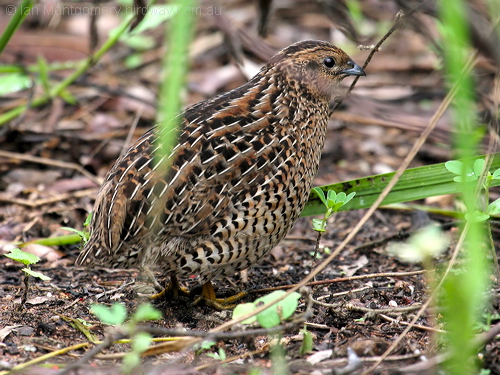
Brown Quail(Coturnixypsilphora) by Ian

What is a Quail?

The Quail are in several families and are mid-sized birds generally placed in the order Galliformes. Old World quail are placed in the family Phasianidae, and New World quail are placed in the family Odontophoridae. Below are just two of the quail from each family.

The King Quail, an Old World quail, often is sold in the pet trade, and within this trade is commonly, though mistakenly, referred to as a “button quail”. Many of the common larger species are farm-raised for table food or egg consumption. In 2007, 40 million quail were produced in the U.S.

The Brown Quail (Coturnix ypsilophora), also an Old World quail and known as the swamp quailsilver quail and Tasmanian quail, is an Australasian true quail of the family Phasianidae. It is a small, ground-dwelling bird and is native to mainland Australia, Tasmania and Papua New Guinea and has been introduced to New Zealand and Fiji. Widespread and common throughout its large range
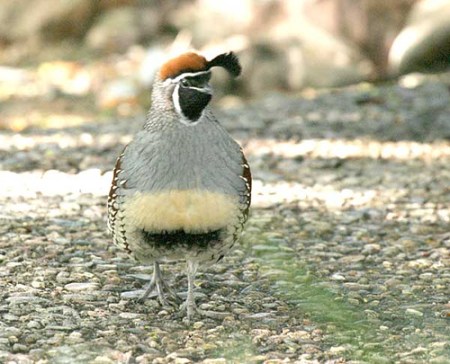
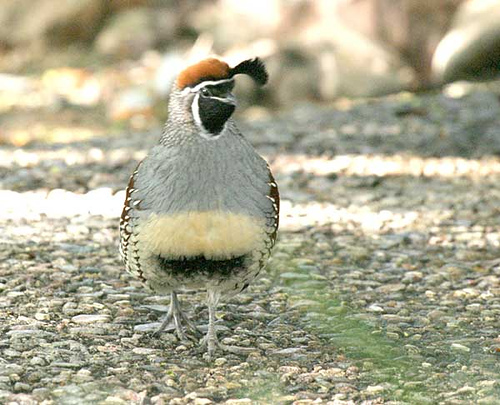
Gambel’s Quail (Callipepla gambelii) by Kent Nickel

The New World Quail Gambel’s quail (Callipepla gambelii) is a small ground-dwelling bird in the New World quail family. It inhabits the desert regions of Arizona, California, Colorado, New Mexico, Nevada, Utah, Texas, and Sonora; also New Mexico-border Chihuahua and the Colorado River region of Baja California. The Gambel’s quail is named in honor of William Gambel, a 19th-century naturalist and explorer of the Southwestern United States. Favorites of mine because of their top feather.]
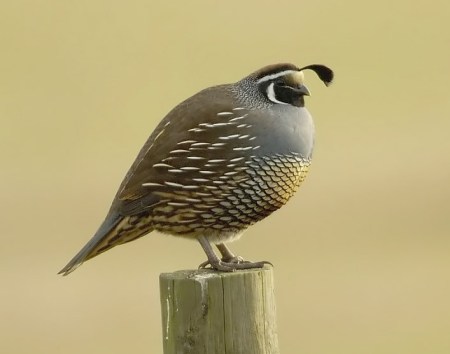
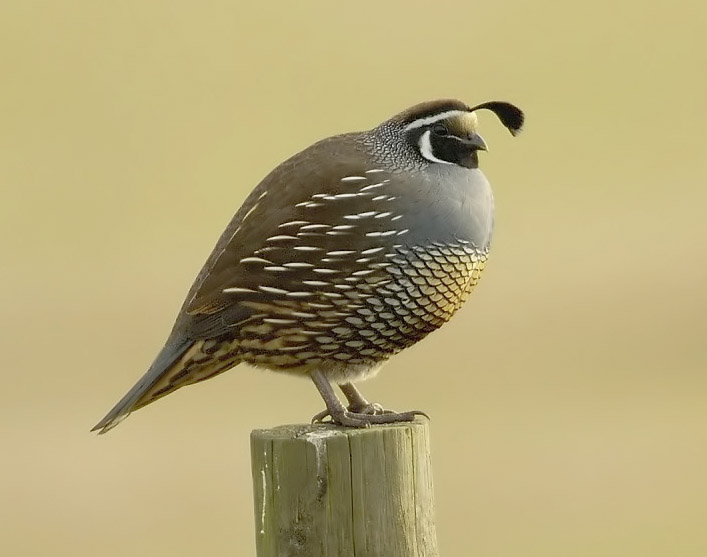
California Quail (Callipepla californica) ©WikiC

The California quail (Callipepla californica), also known as the California valley quail or valley quail, is a small ground-dwelling bird in the New World quail family. These birds have a curving crest or plume, made of six feathers, that droops forward: black in males and brown in females; the flanks are brown with white streaks. Males have a dark brown cap and a black face with a brown back, a grey-blue chest and a light brown belly. Females and immature birds are mainly grey-brown with a light-colored belly. Their closest relative is Gambel’s quail which has a more southerly distribution and, a longer crest at 2.5 in (6.4 cm), a brighter head and a scalier appearance.

The collective noun for a group of quail is a flock, covey or bevy.

Watch for more Bible Birds – Quail posts.

Other Links:


Singing Bird (Woodstock) and Snoopy

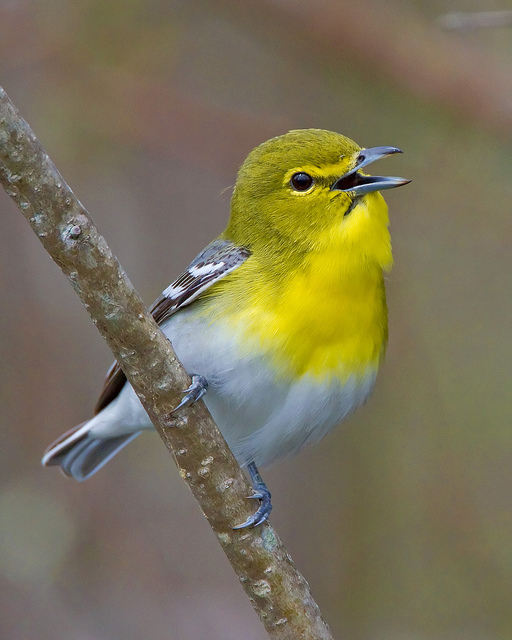
Yellow-throated Vireo (Vireo flavifrons) singing ©nebirdsplus

Yellow-throated Vireo (Vireo flavifrons) singing ©nebirdsplus

This time of the year, as Spring arrives, the birds like to sing. Woodstock is no different, even if he is only a cartoon bird.

Snoopy and Woodstock Singing

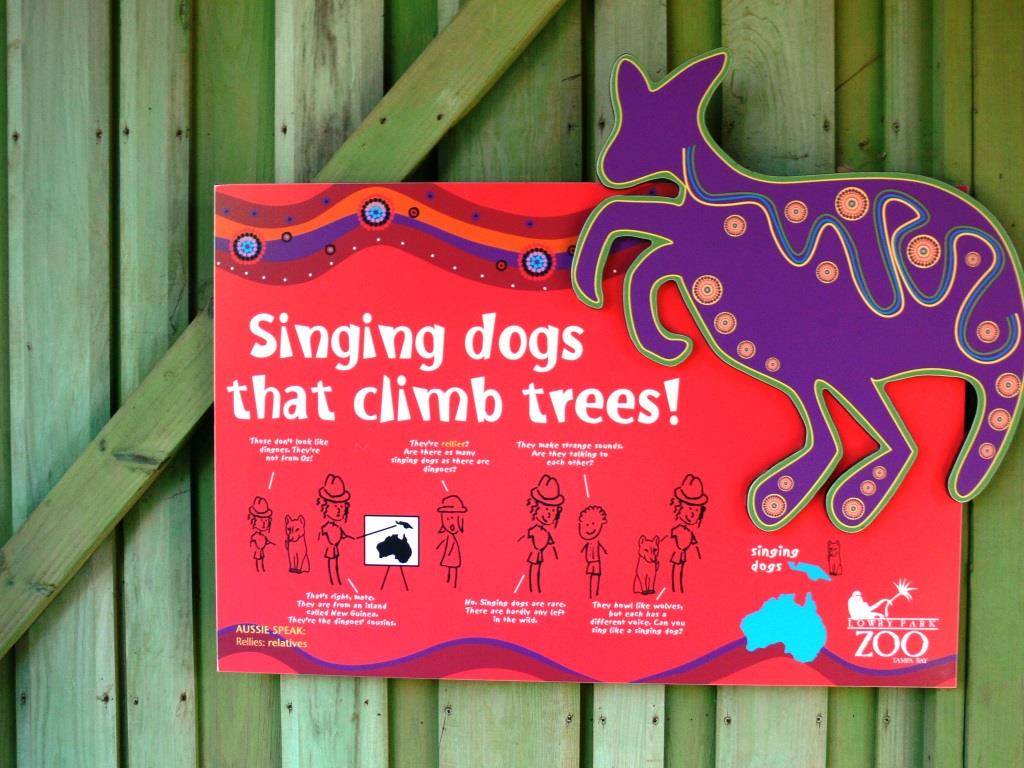
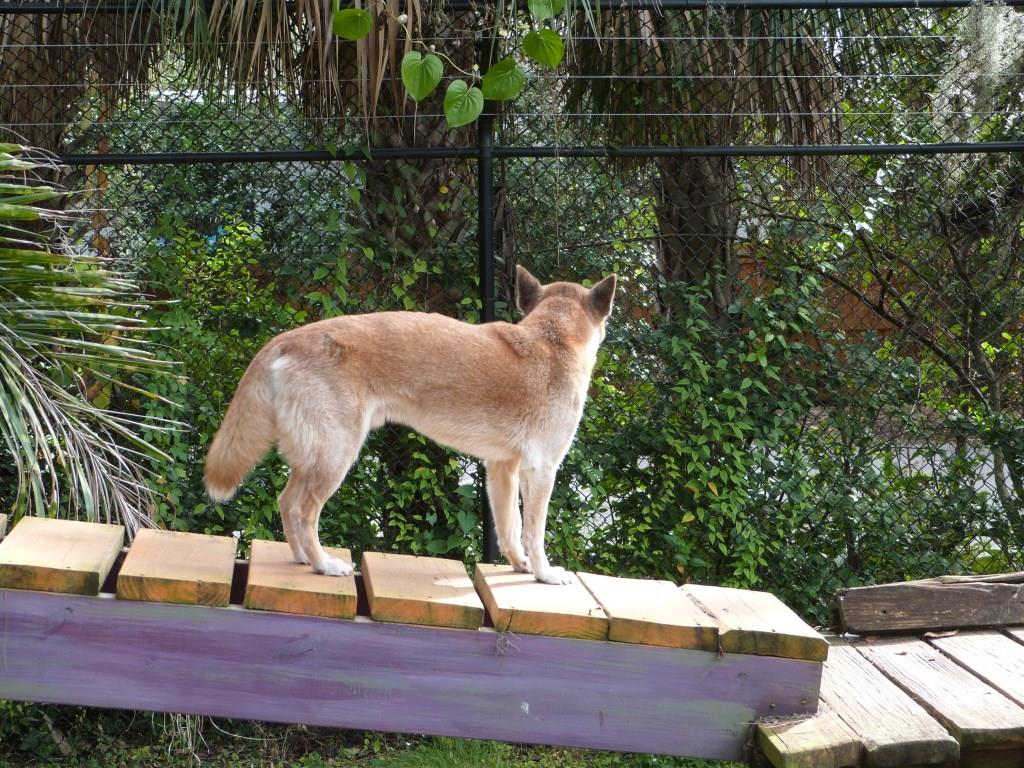
Even dogs like to sing:

Singing Dog Sign LPZ by Lee

Singing Dog Sign LPZ by Lee

Singing Dogs at Lowry Pk Zoo

Singing Dogs at Lowry Pk Zoo

“The flowers appear on the earth; the time of the singing of birds is come, and the voice of the turtle is heard in our land;” (Song of Solomon 2:12 KJV)

Sing, O heavens; and be joyful, O earth; and break forth into singing, O mountains: for the LORD hath comforted his people, and will have mercy upon his afflicted.” (Isaiah 49:13 KJV)

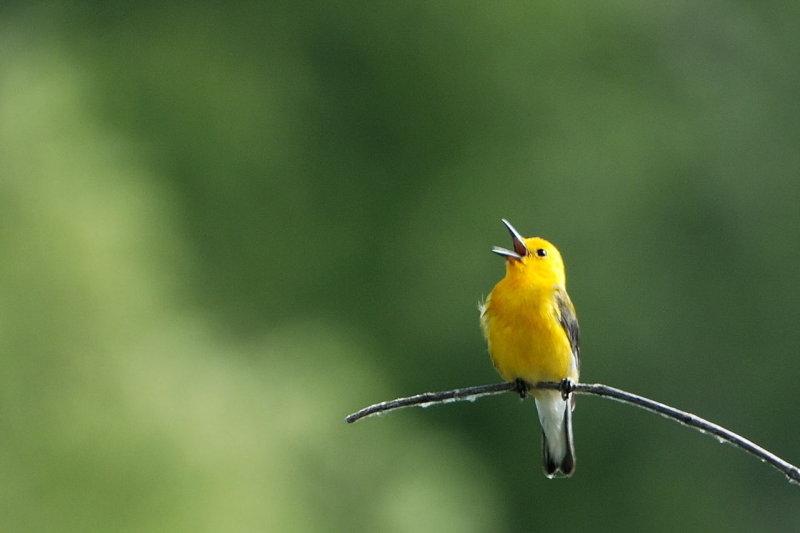
Prothonotary Warbler (Protonotaria citrea) Neal Addy Gallery

Birds Illustrated by Color Photography Vol #1 – Complete

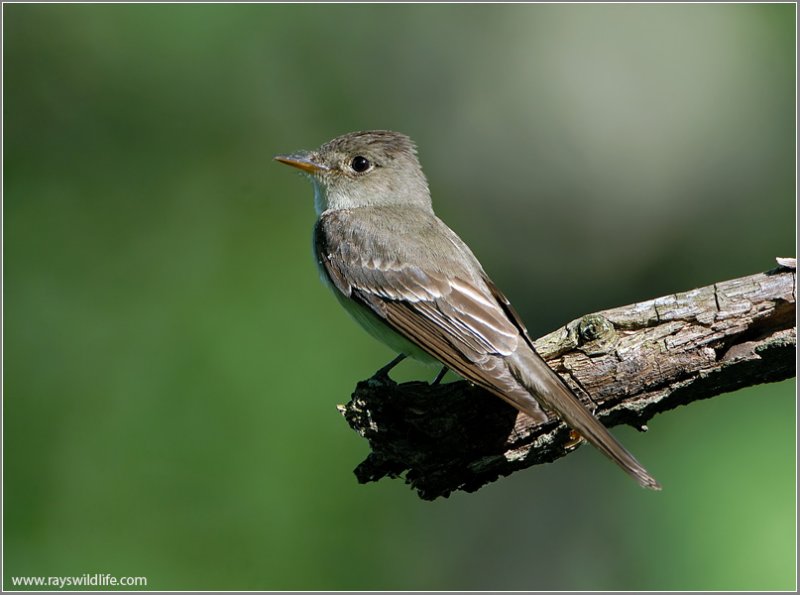
Eastern Wood Pewee (Contopus virens) by Raymond Barlow

Eastern Wood Pewee (Contopus virens) by Raymond Barlow

Birds Illustrated by Color Photography Vol #1 – Complete

All the Volume #1 articles have been relocated to this blog, and hopefully, the links are all working. Yesterday, Vol 1 #5 and Vol #1 #6 were finished. The author of this series provided an Index of the first 6 volumes in alphabetical order by the last name of the bird.

Birds Vol 1 #6 – The Volume 1. January to June 1897 – Index

There really is much information in these post by a variety of birds. I rediscovered the Vol 1 #6 Bird Song I which was a joy for me to find. Here is an excerpt from that article:
Lee’s Addition:

By them shall the fowls of the heaven have their habitation, which sing among the branches. (Psalms 104:12 KJV)

and the doors on the street are shut as the sound of the grinding mill is low, and one will arise at the sound of the bird, and all the daughters of song will sing softly. (Ecclesiastes 12:4 NASB)

What a delightful article about the birds singing. I suppose I can supplement  this by adding some sounds of these birds. I use xeno-canto.org because they are available and have many to choose from.

Northern Mockingbird ( imitating Ash-throated Flycatcher, Juniper Titmouse, Western Scrub-Jay, and probably more)

Grey Catbird (meaw)

difficult notes of the Yellow-breasted Chat (whistles, grunts and rattles)

Carolina Wren sings, ‘cheerily, cheerily, cheerily.’

A Flicker, (kleeeyer or wik-wik-wik)

a Wood-pewee, (pee-a-weee and pee-yer)

Eastern Phoebe follow in quick succession. (fee-beee (last syllable raspy)

Then a Tufted Titmouse squeals. (peter peter peter)

English Sparrow

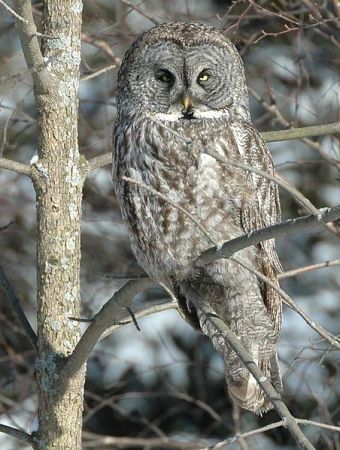
Tawny Owl (Best I can find out who is the “Tu-whit, tu-who”)

*

Enjoy checking out the latest updated articles, especially Volumes 1 #5 and 1 #6.

The Birds, Illustrated by Color Photography

Birds Vol 1 #6 – The Volume 1. January to June 1897 – Index

Wordless Toucan