God’s Recipe for the Brown-throated Wattle-eye

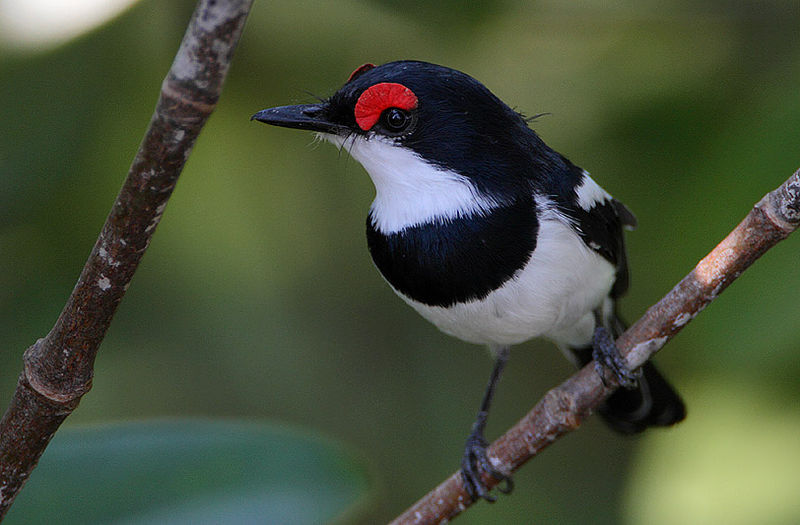
Brown-throated Wattle-eye (Platysteira cyanea) Male ©WikiC

“In the beginning God created the heaven and the earth.” (Genesis 1:1 KJV)

The Family Circus Artist surely came up with a great truth in this one. God’s “recipe” was Creation. His [God’s] wisdom is evident in all of his creation, especially the birds.

Family Circus – God’s good recipe

Here is the Brown-throated Wattle-eye that is a beauty.
Brown-throated Wattle-eye (Platysteira cyanea) Male ©Flickr Isidro Vila Verde

The Brown-throated Wattle-eye (Platysteira cyanea), also known as the common wattle-eye or scarlet-spectacled wattle-eye, is a small, insectivorous passerine bird. The wattle-eyes were previously classed as a subfamily of the Old World flycatcher family Muscicapidae, but are now usually separated from that group.

This species breeds in west, central and northeast tropical Africa. This common species is found in secondary forest and other woodland areas, including gardens. The eggs are laid in a small neat lichen and cobweb cup low in a tree or bush.

The adult brown-throated wattle-eye is a stout bird about 14 cm (5.5 in) long. The breeding male has glossy black upperparts, and white underparts with a neat black breast band. There is a strong white wingbar, and fleshy red wattles above the eye.
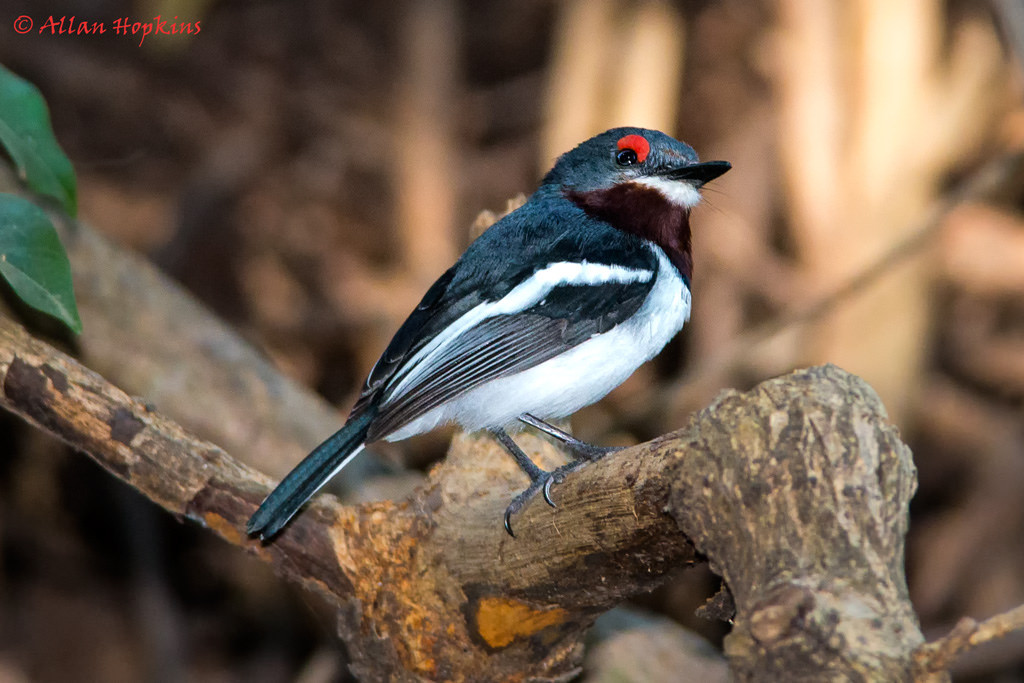
Brown-throated Wattle-eye (Platysteira cyanea) Male ©Flickr Allan Hopkins

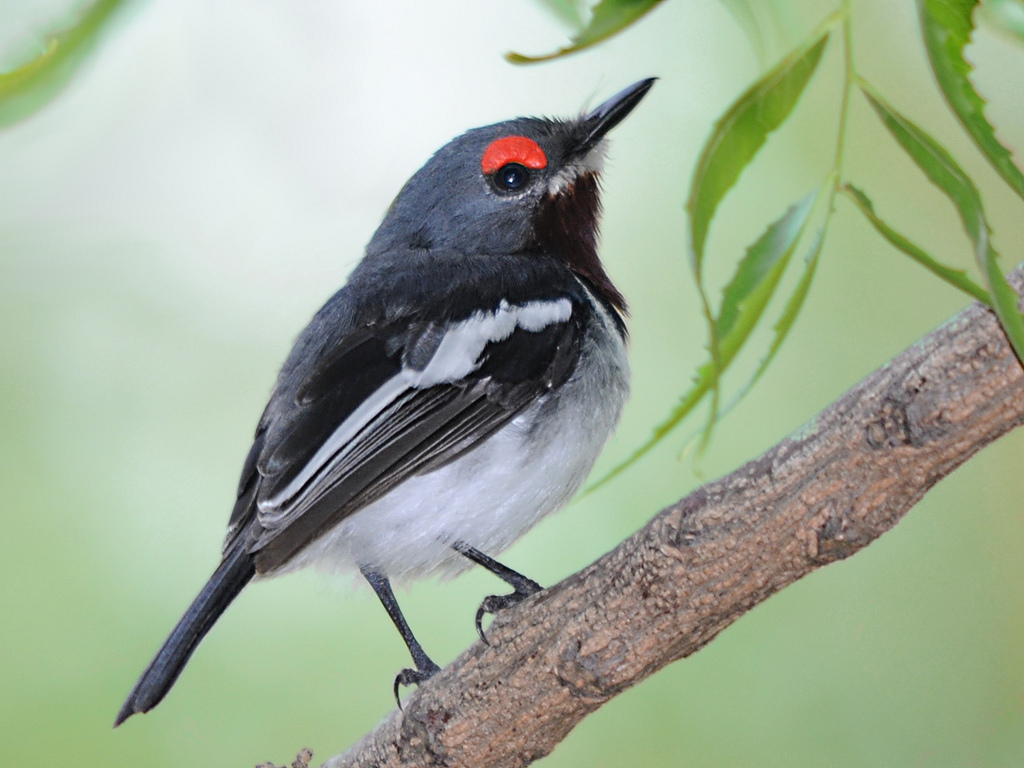
The females are grey-black above, and also have the white wing bar and red wattles. There is a small patch of white below the bill, and the throat and breast are maroon, separated from the white belly by the black breast band. Young males are washed-out, greyer versions of the female.
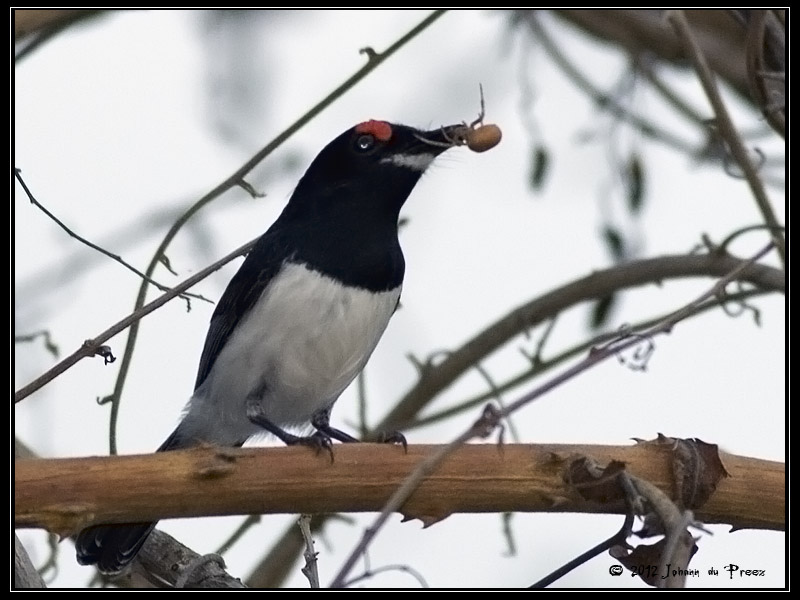
Black-throated Wattle-eye (Platysteira peltata) Female ©Flickr Johann du Preez

These active insect-eating birds are found in pairs or small groups. The ringing call of the brown-throated wattle-eye is a very characteristic six note doo-dd-dum-di-do-do.

“Remember now thy Creator in the days of thy youth,” (Ecclesiastes 12:1aKJV)

*** Survey – Should this become a series to introduce some of the special Avian Wonders from the Lord? ***

Drummers and Carpenters – Chapter 11

Downy Woodpecker (Picoides pubescens) Brevard Zoo by Dan

Is it a Downy or Hairy Woodpecker? Brevard Zoo by Dan

Drummers and Carpenters

The Downy, Hairy and Red-headed Woodpeckers.

The Burgess Bird Book For Children moved to:

 Kids Section – Burgess Book

Redwing and Yellow Wing – Chapter 10

Red-winged Blackbird (Agelaius phoeniceus) by Ray

Redwing and Yellow Wing

The Red-winged Blackbird and the Golden-winged Flicker.

The Burgess Bird Book For Children moved to:

 Kids Section – Burgess Book

Bible Birds – Swift Introduction

Bible Birds – Swift Introduction

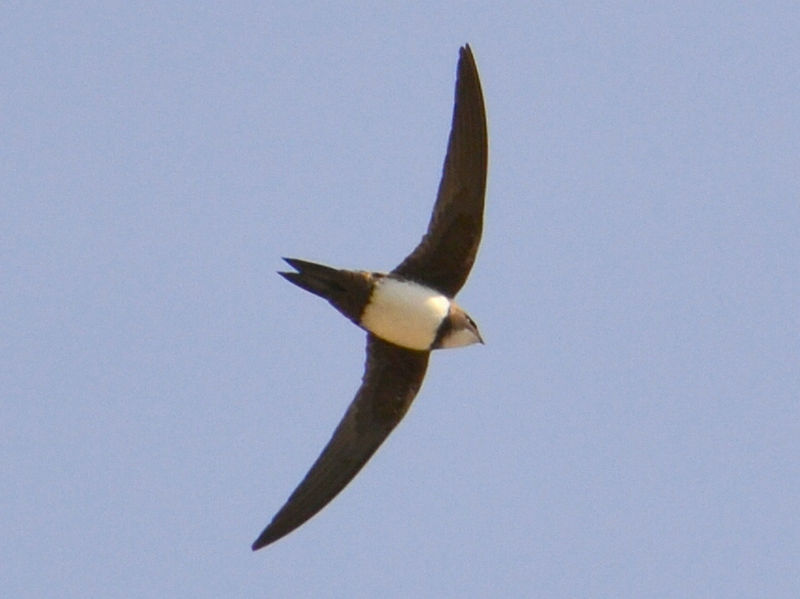
Alpine Swift (Tachymarptis melba) ©WikiC

Alpine Swift (Tachymarptis melba) ©WikiC

“Even the stork in the sky Knows her seasons; And the turtledove and the swift and the thrush Observe the time of their migration; But My people do not know The ordinance of the LORD.” (Jeremiah 8:7 NASB)

RELOCATED HERE

Old Clothes and Old Houses – Chapter 8

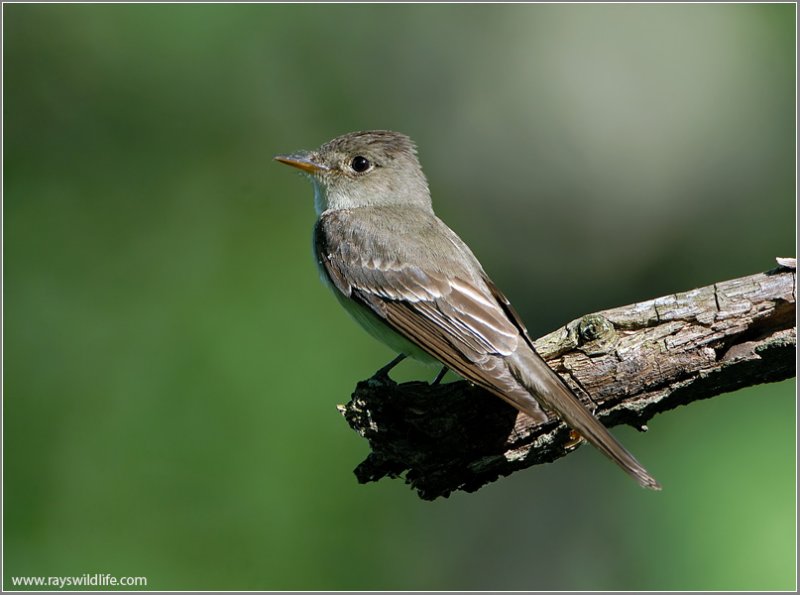
Eastern Wood Pewee (Contopus virens) by Raymond Barlow

Eastern Wood Pewee (Contopus virens) by Raymond Barlow

Old Clothes and Old Houses

The Wood Peewee and Some Nesting Places.

The Burgess Bird Book For Children moved to:

Kids Section – Burgess Book

Evolutionary Scientist Find A Surprise! – Creation Moments

EVOLUTIONARY SCIENTISTS FIND A SURPRISE!

“Therefore you also be ready, for the Son of Man is coming at an hour when you do not expect Him.” Matthew 24:44

Painting: Passenger PigeonAccording to the Bible’s history, human beings were created perfectly by God about 6,000 years ago. We should note that this means we were not only morally perfect, but genetically perfect as well. According to evolutionists, our ancestors split off from the monkeys millions of years ago. Both viewpoints agree that each generation of human beings adds mutations to the ongoing human gene pool.


How many mutations are added by each human generation? Researchers with the University of Sussex and the University of Edinburgh looked for the answer to this question. They examined DNA from living parents and children, as well as known mutation rates for mammals. They assumed that some mutations would be fatal and thus not added to the overall gene pool. They also assumed that a very few mutations might be helpful, an assumption that has never be demonstrated to be true. They finally calculated that 100 harmful mutations are added to the human gene pool by each generation. Their published conclusion was that, considering the millions of years humans have been evolving, we should have easily accumulated enough mutations to make us extinct a long time ago!

This research is clear evidence for a recent appearance of man, and implies that the Earth was created a relatively short time ago, as portrayed by the Genesis. However, human life on Earth will end when Jesus Christ returns to collect all believers to live in a new heavens and Earth.

Prayer:
Lord, Your Word is true so I eagerly await Your return for me. Amen.
Notes:
Notes: Nature, 1/28/99, “High genomic deleterious mutation rates in hominids,” pp. 344-347. Photo: The passenger pigeon, one of hundreds of species of extinct birds. (PD)
Used with permission of Creation Moments©2018

Passenger Pigeon (Ectopistes † migratorius †) ©WikiC Specimen

Bible Birds – Pelican Introduction

American White Pelican (Pelecanus erythrorhynchos) by AestheticPhotos

American White Pelican (Pelecanus erythrorhynchos) by AestheticPhotos

“And the swan, and the pelican, and the gier eagle,” (Leviticus 11:18 KJV)

Bible Birds – Pelican Introduction

Relocated Here

Peter Learns Something He Hadn’t Guessed – Chapter 5

Western Bluebird (Sialia mexicana) ©WikiC

Western Bluebird (Sialia mexicana) ©WikiC

Peter Learns Something He Hadn’t Guessed

The Bluebird and the Robin

The Burgess Bird Book For Children

Relocated – Click Here

The Hamerkop Has It’s Own Family

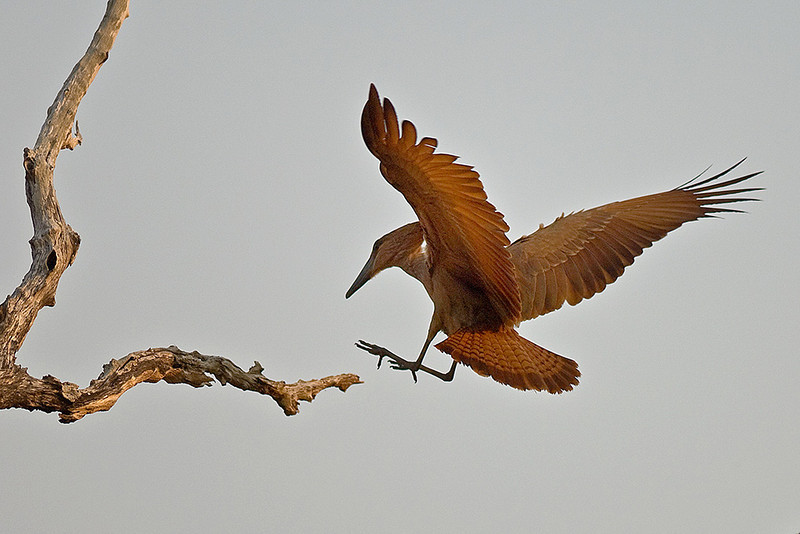
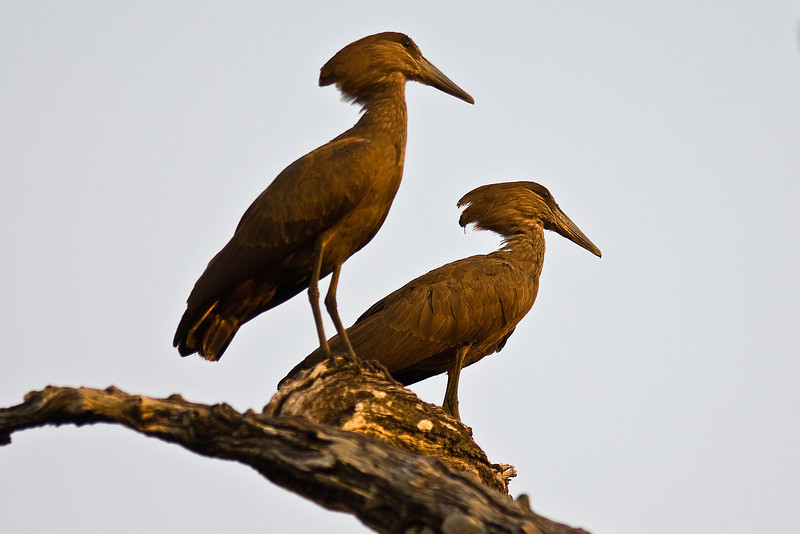
Hamerkop (Scopus umbretta) by Africaddict

“And God blessed them, saying, “Be fruitful and multiply, and fill the waters in the seas, and let birds multiply on the earth.” So the evening and the morning were the fifth day.” (Genesis 1:22-23 NKJV)

What an interesting name for a bird. He is not a policeman (cop), but its head does, sort of, look like a hammer. Don’t you agree?

Goodly Hammer ©Flickr Lenore Edman

Hamerkops are in a family by itself, because the birding authorities are not sure which family to add it to. So, they made a family, called the Scopidae Family.

“The single Hamerkop in this family lives in sub-Saharan Africa and has unique habits and behaviorIt has a few features like those of heronsIt has an odd mix of other habits which are similar to the shoebill, flamingos, and storksIt has ectoparasites that are otherwise found only in ploversGiven this, its origin and relationship to other birds are considered unclear (Roberson 2012), so it is considered here to belong to its own kind.” By Dr. Jean Lightner (See below)

Hamerkop (Scopus umbretta) at NA by Dan

It is found in Africa, Madagascar to Arabia, living in a wide variety of wetlands, including estuaries, lakesides, fish ponds, riverbanks and rocky coasts.

Hamerkop (Scopus umbretta) With Nesting Material ©WikiC

The strangest aspect of hamerkop behaviour is the huge nest, sometimes more than 1.5 metres (4 ft 11 in) across, and strong enough to support a man’s weight. When possible, it is built in the fork of a tree, often over water, but if necessary it is built on a bank, a cliff, a human-built wall or dam, or on the ground. A pair starts by making a platform of sticks held together with mud, then builds walls and a domed roof. A mud-plastered entrance 13–18 centimetres (5.1–7.1 in) wide in the bottom leads through a tunnel up to 60 centimetres (24 in) long to a nesting chamber big enough for the parents and young.

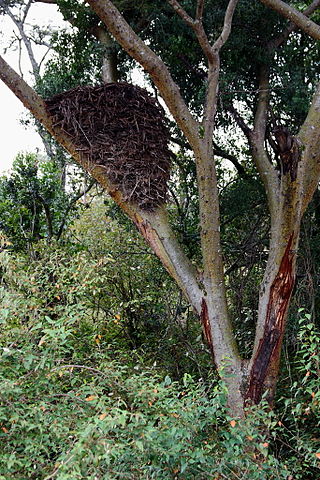
Hamerkop (Scopus umbretta) Nest in Acacia Tree ©WikiC

Nests have been recorded to take between 10 and 14 weeks to build, and one researcher estimated that they would require around 8000 sticks or bunches of grass to complete. Nesting material may still be added by the pair after the nest has been completed and eggs have been laid. Much of the nesting material added after completion is not sticks but an odd collection of random items including bones, hide and human waste.

Hamerkop (Scopus umbretta) by Africaddict

Hamerkop (Scopus umbretta) by Africaddict

This is just another one of The Lord’s Avian Wonders. Just thought you might enjoy reading about this neat bird.

*

Hamerkop’s Scopidae Family

Pelecaniformes Order

Birdwatching the National Aviary – Tropical Forest

An Initial Estimate of Avian Ark Kinds by Dr. Jean Lightner on November 27, 2013

Wordless Toucan